Categories
Moses and Egypt

The Dead Sea, Amman, and Rabbah

Saturday, April 11

We wrapped up the Life of Moses story on Mount Nebo. Moses had an amazingly difficult job. He didn’t want the job. But when God called him, he went.
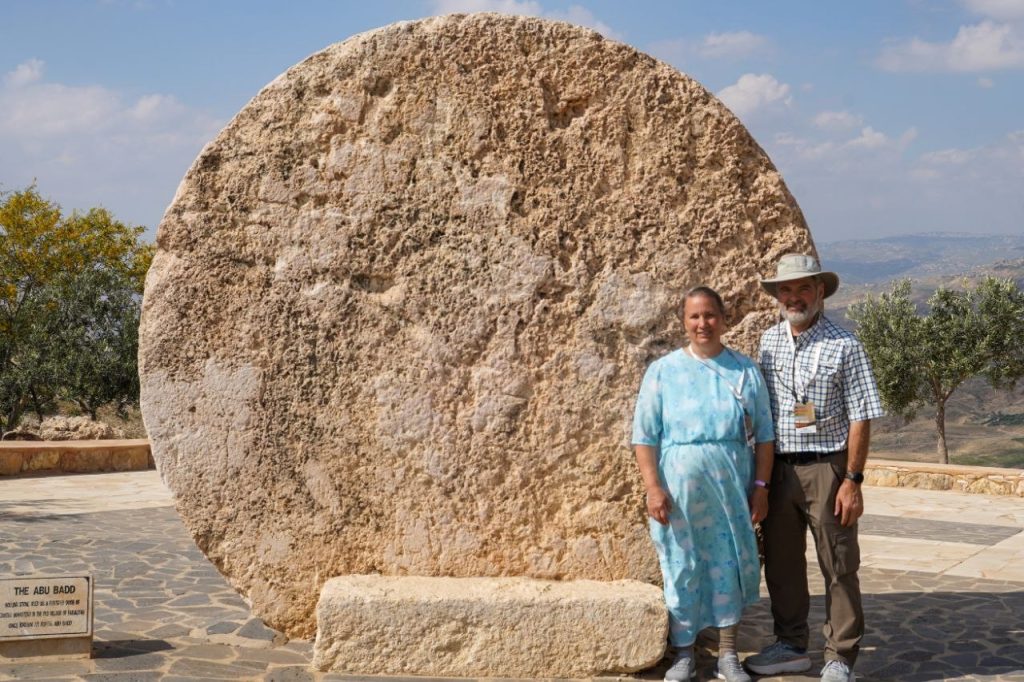
Rolling stone door from a Byzantine monastery.
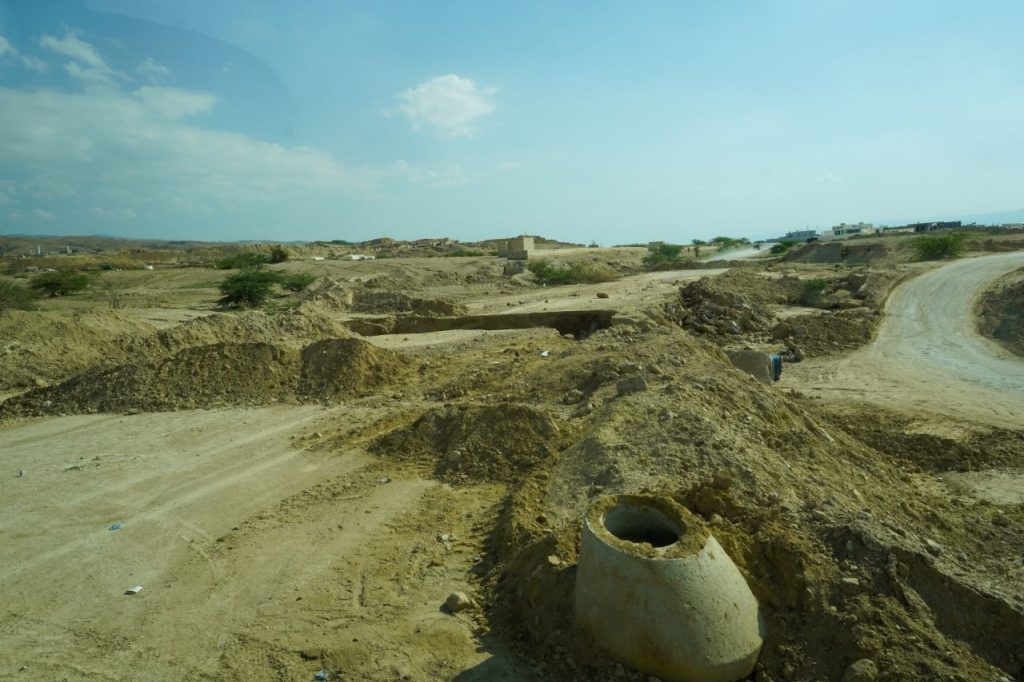
Washed out road on the way to the Dead Sea. Flash floods are a real thing.
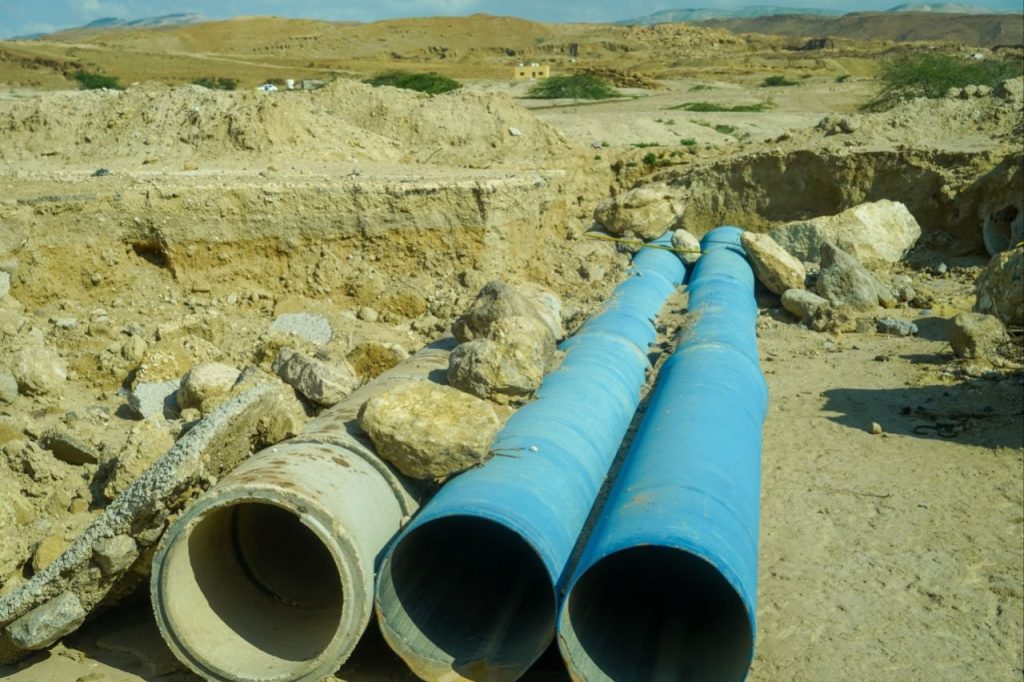
Pipes for rebuilding.
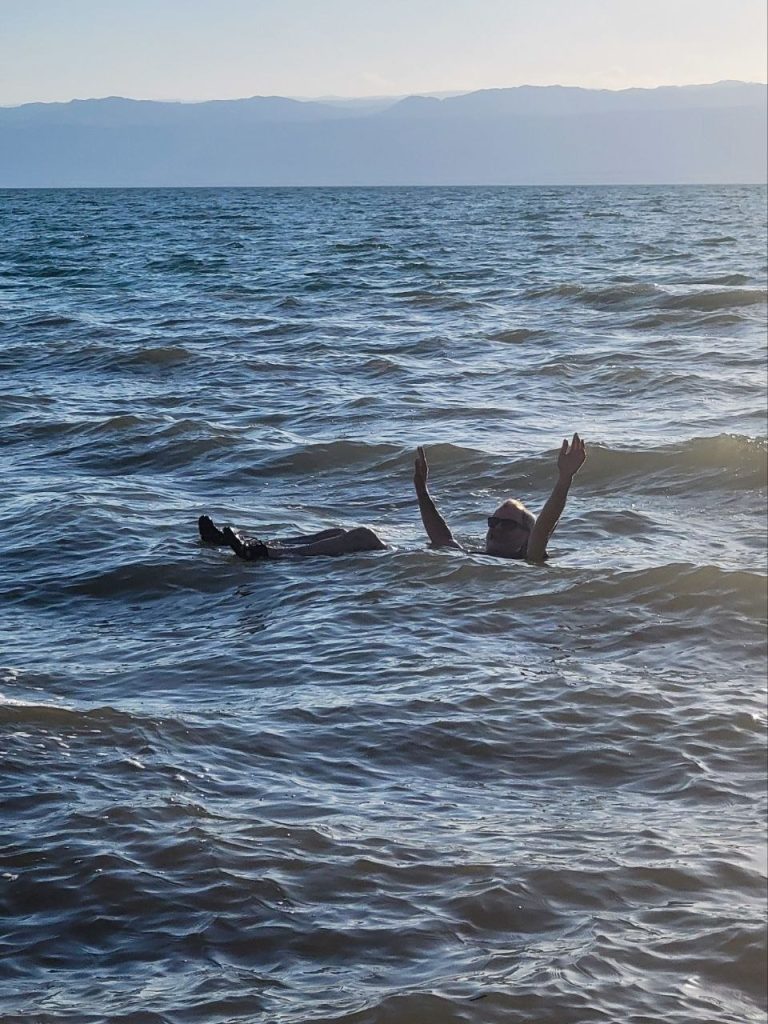
The Dead Sea had bigger waves than usual. You don’t want the water in your eyes, nose, and mouth. At around 35% salinity, it is said to be therapeutic.
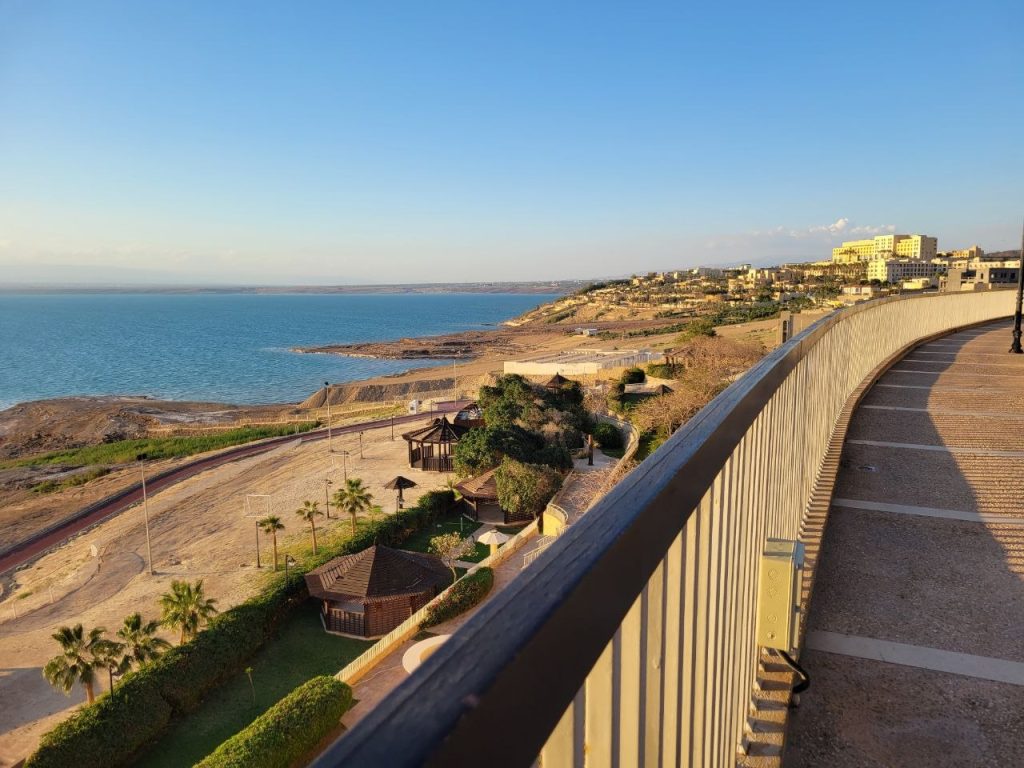
This was our first visit to the Jordanian side of the Dead Sea.
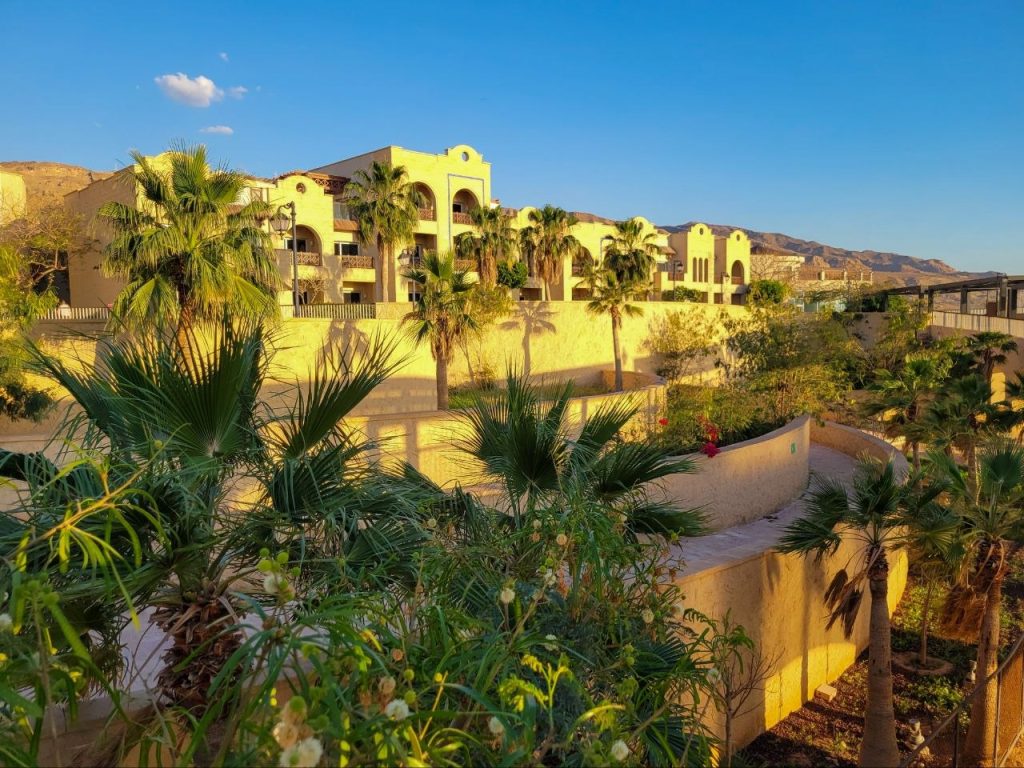
The Jordanian hotels are very nice.
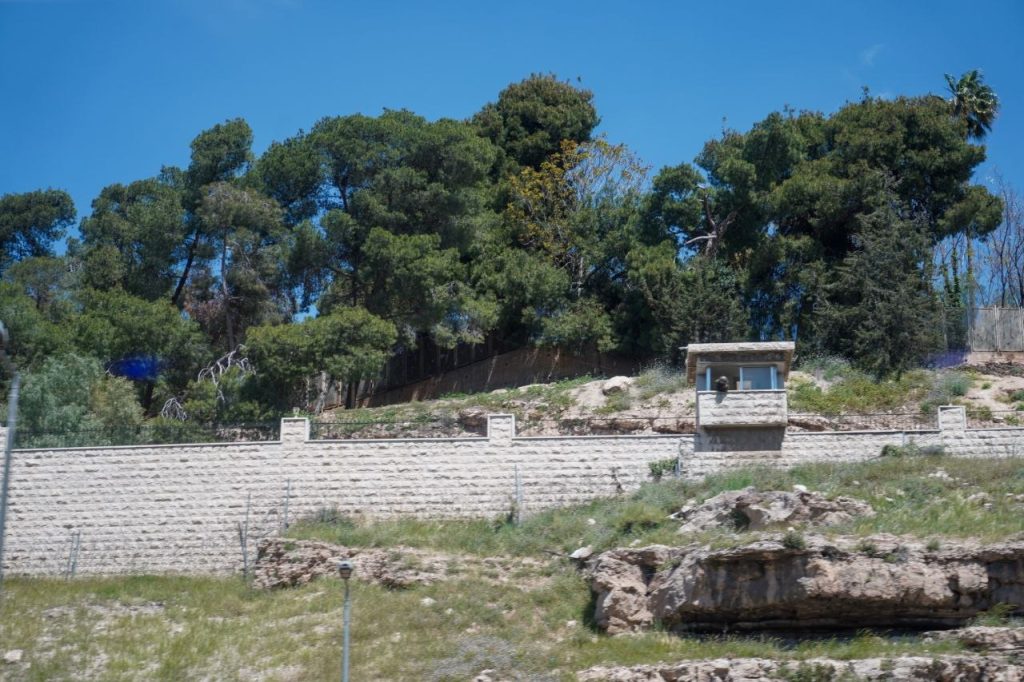
Palace wall and guardhouse in Amman.
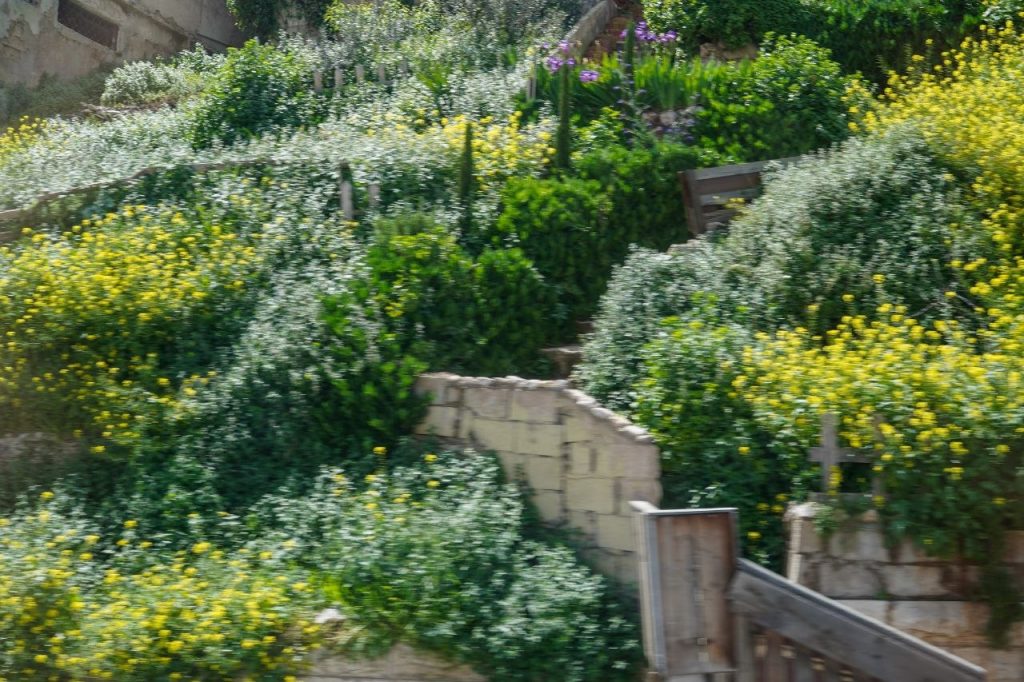
Grabbed a shot of the roadside color in Amman.
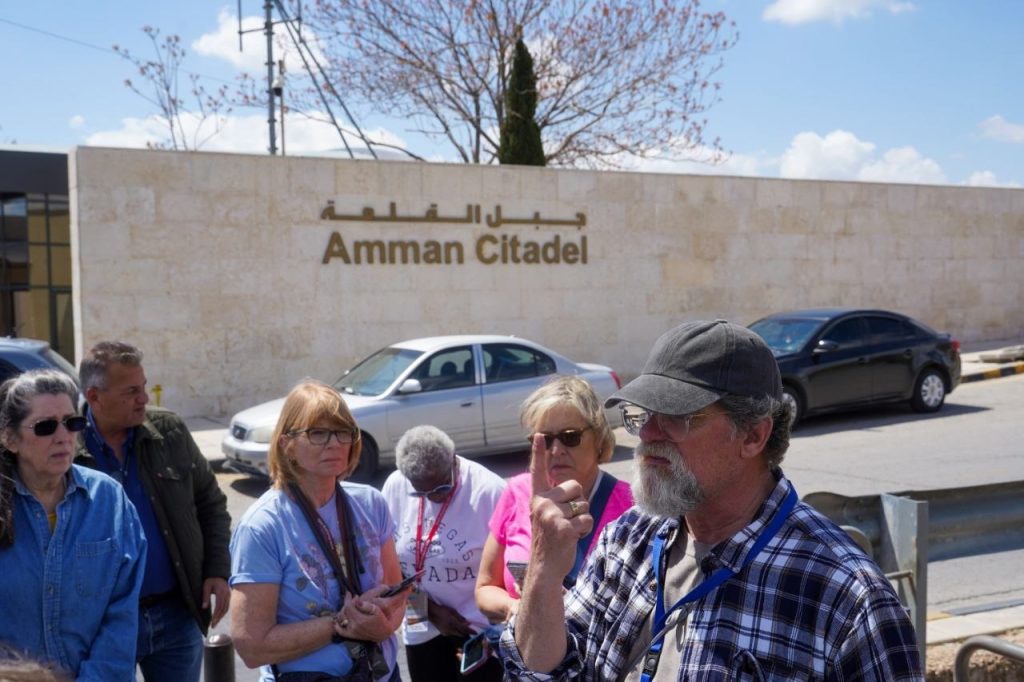
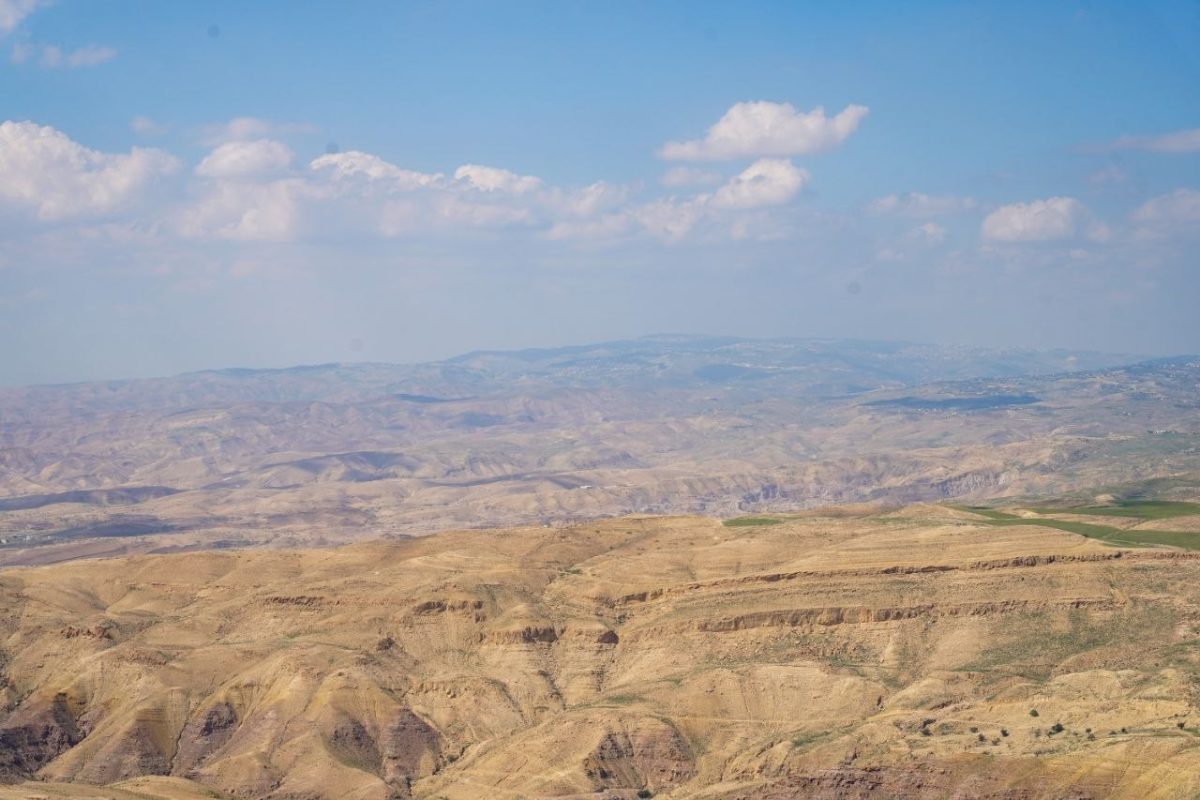
We heard about the siege of Rabbah while at the panoramic overlook at the Citadel. David’s first sin in the 2 Samuel 11 saga was in tarrying at Jerusalem when he should have been leading his men.
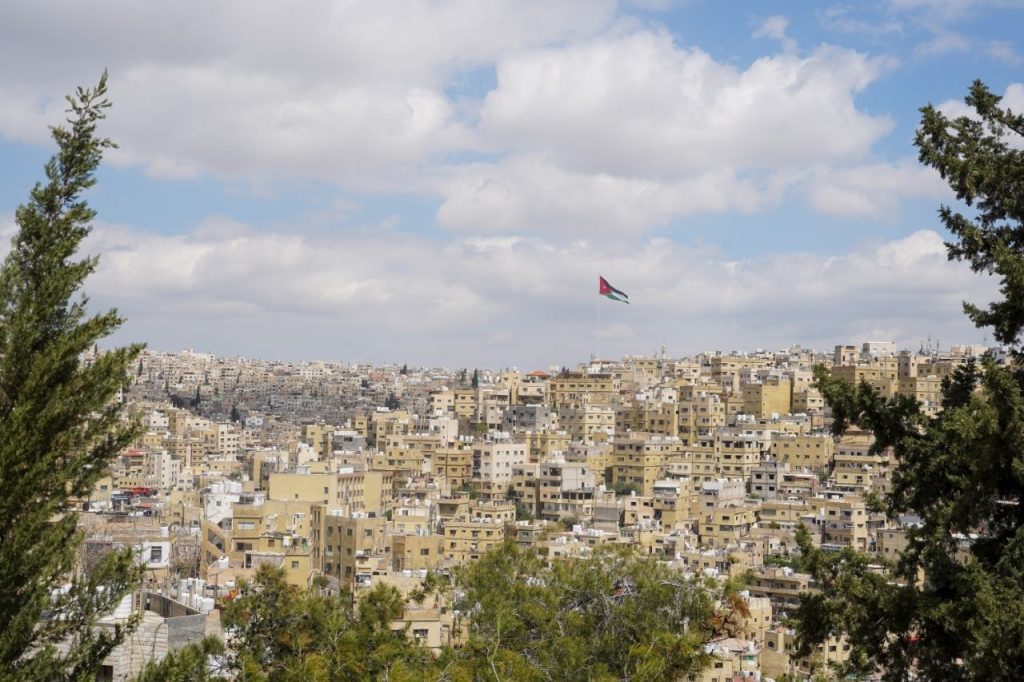
From the overlook. We’re standing on the hill that was Rabbah of the children of Ammon. In New Testament times, there was a Decapolis city here named Philadelphia.
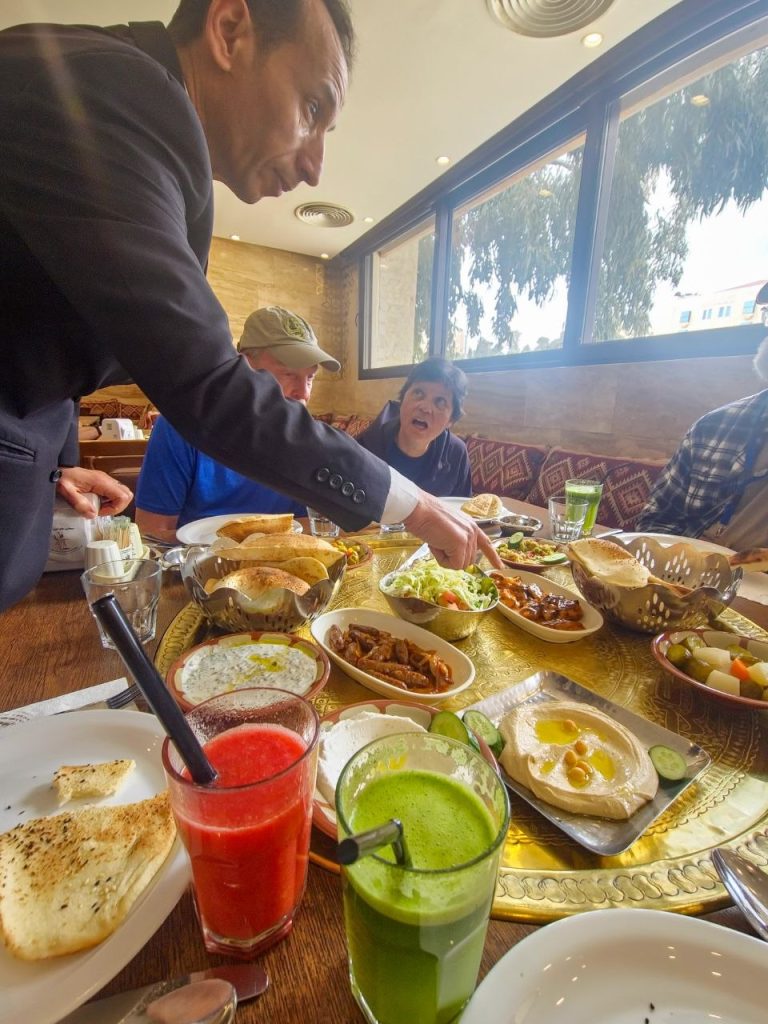
We had a wonderful lunch at a “real local” restaurant.
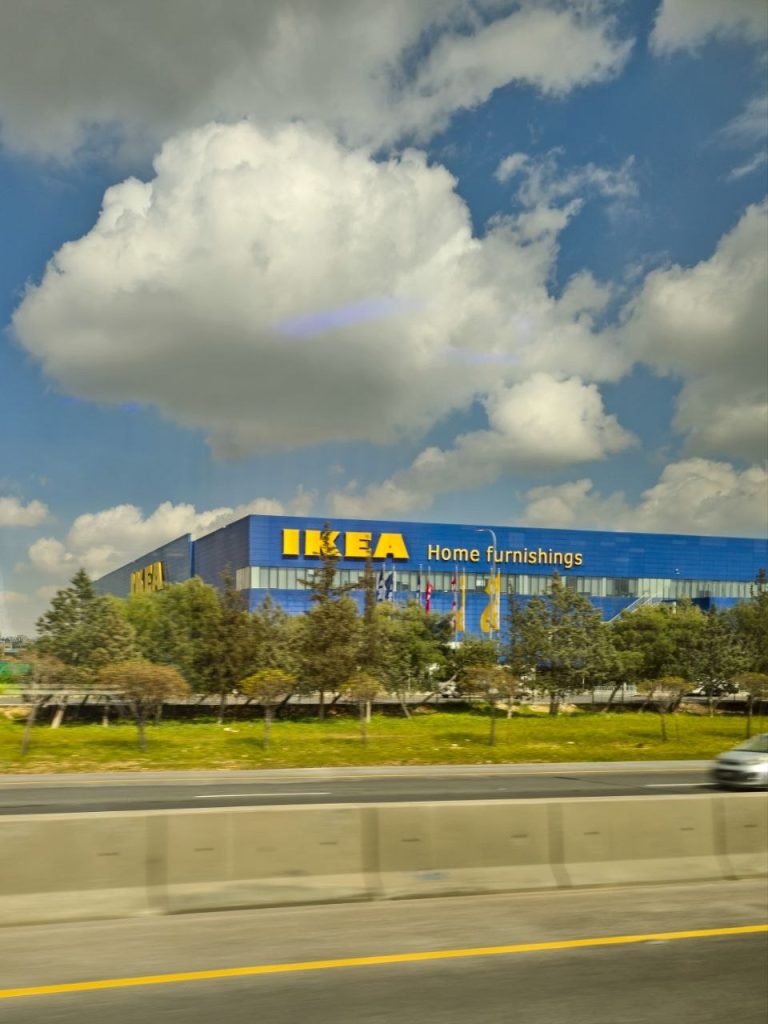
Ikea is here!
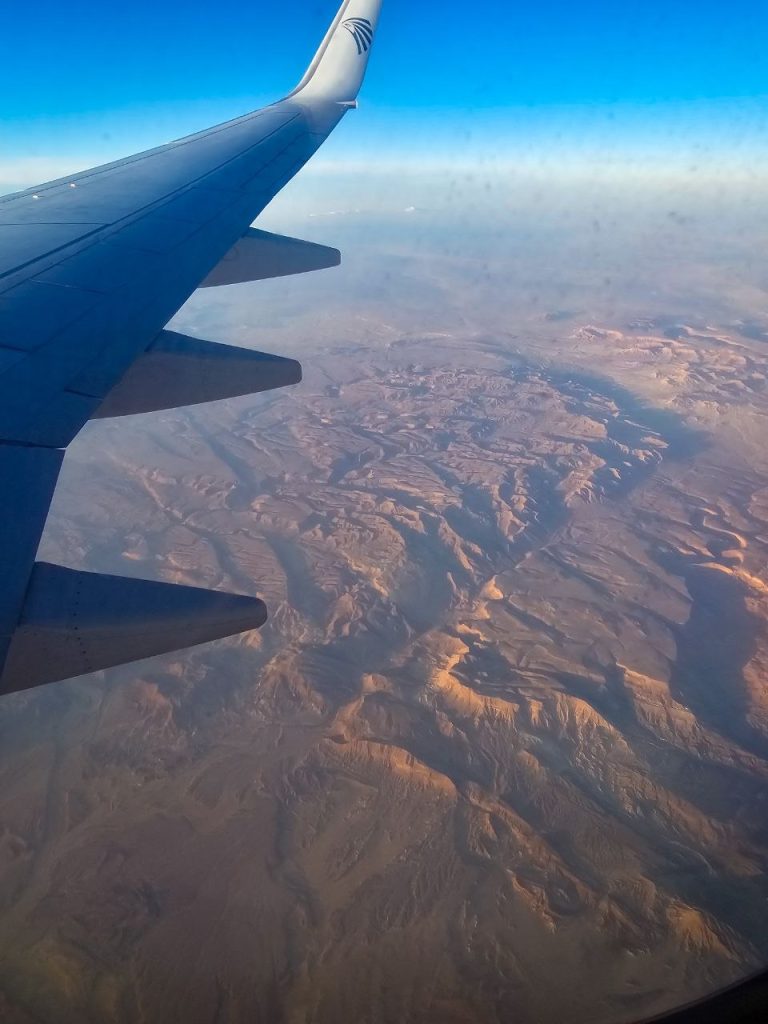
The Jordan to Istanbul leg of our trip home was canceled. We’re flying to Cairo, then to Istanbul, and back to JFK.
Categories
Moses and Egypt

Mount Nebo

Friday, April 10

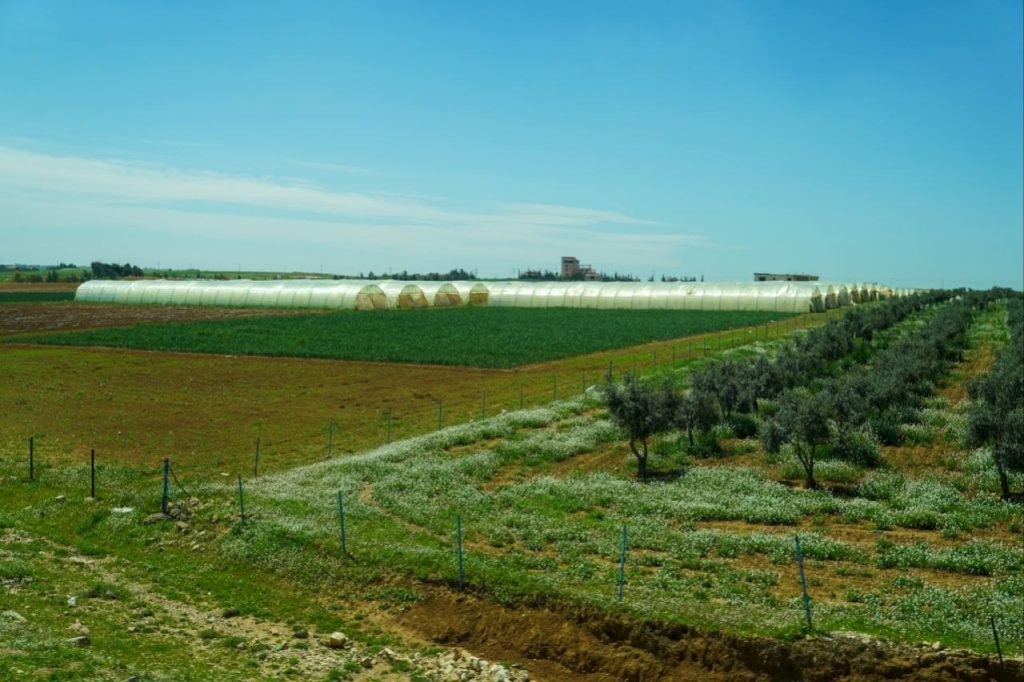
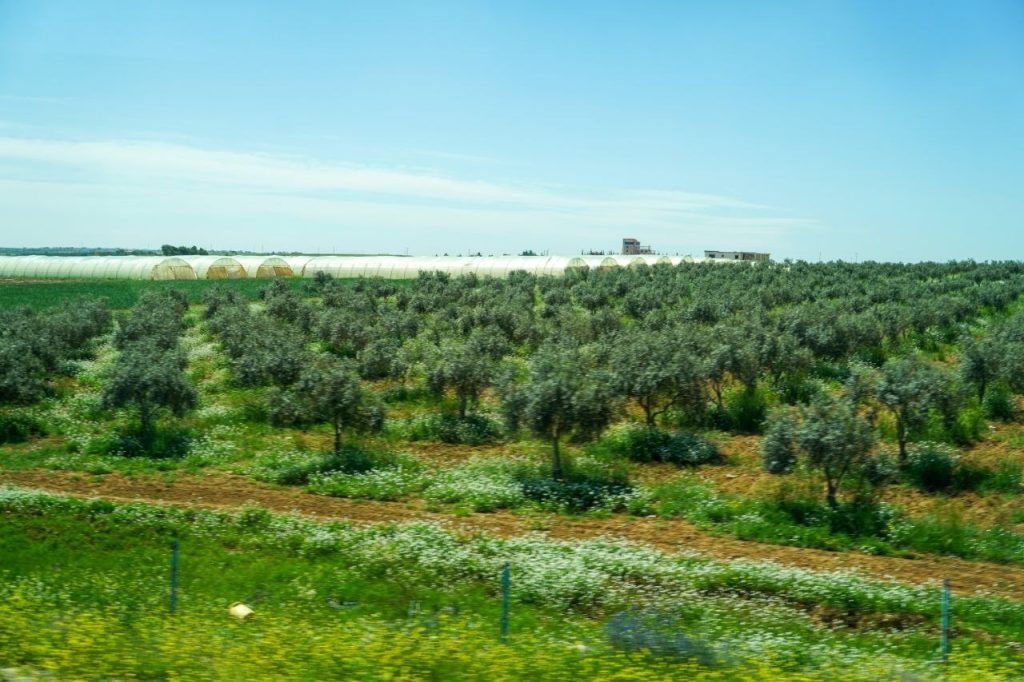
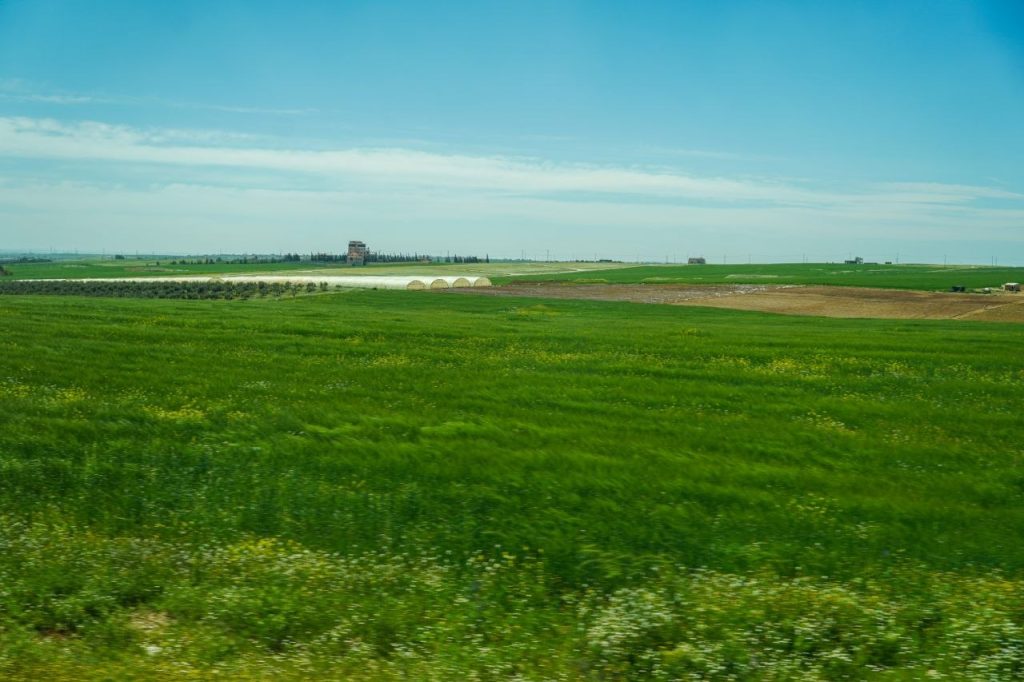
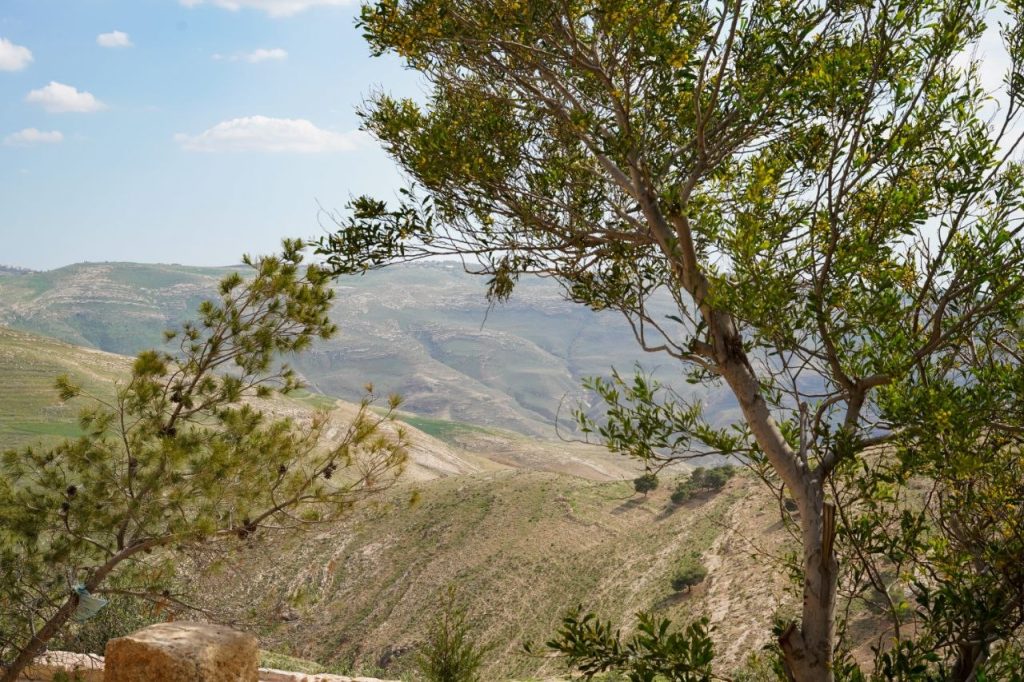
We are on the King’s Highway leaving Edom and entering Moab. Thinking of Moses near the end of his life as we drive toward Mount Nebo (Pisgah).
You can see why Gad and Reuben wanted to stay here.

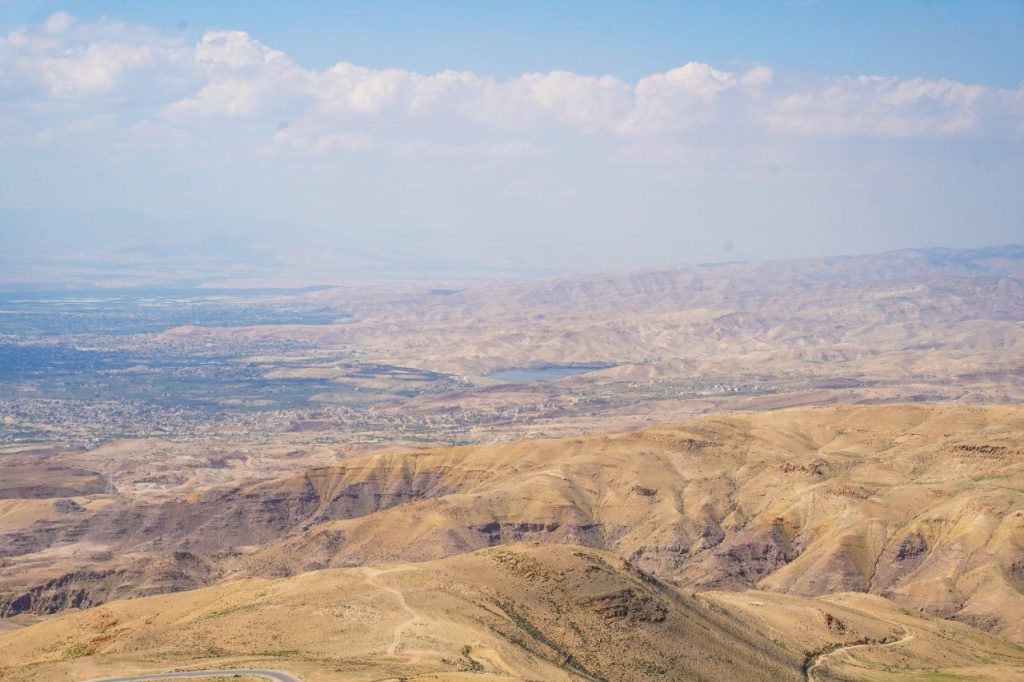
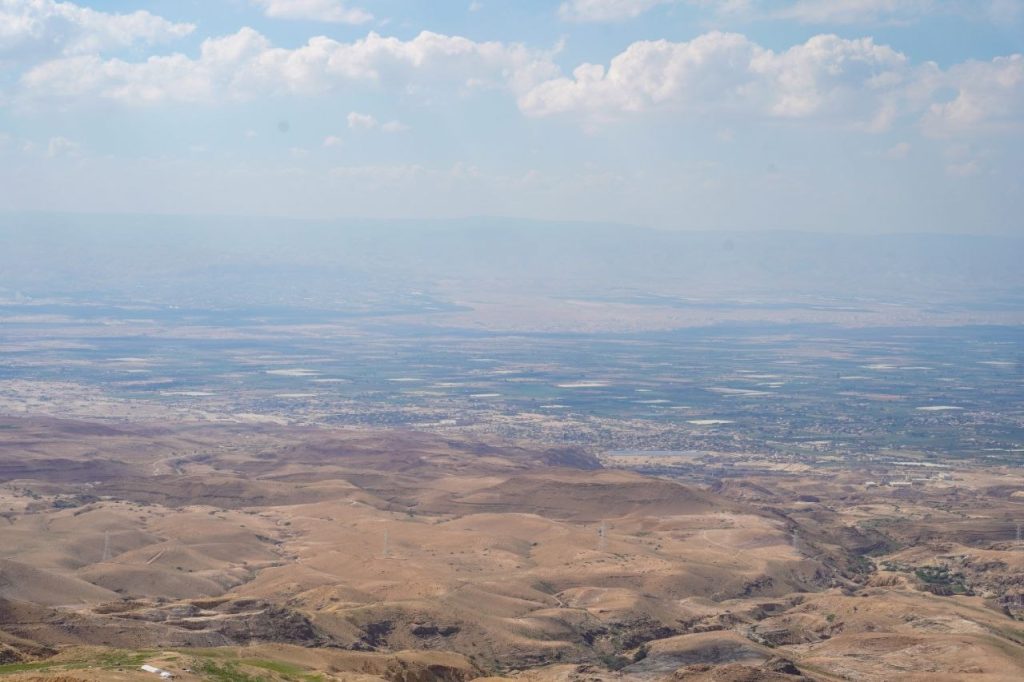
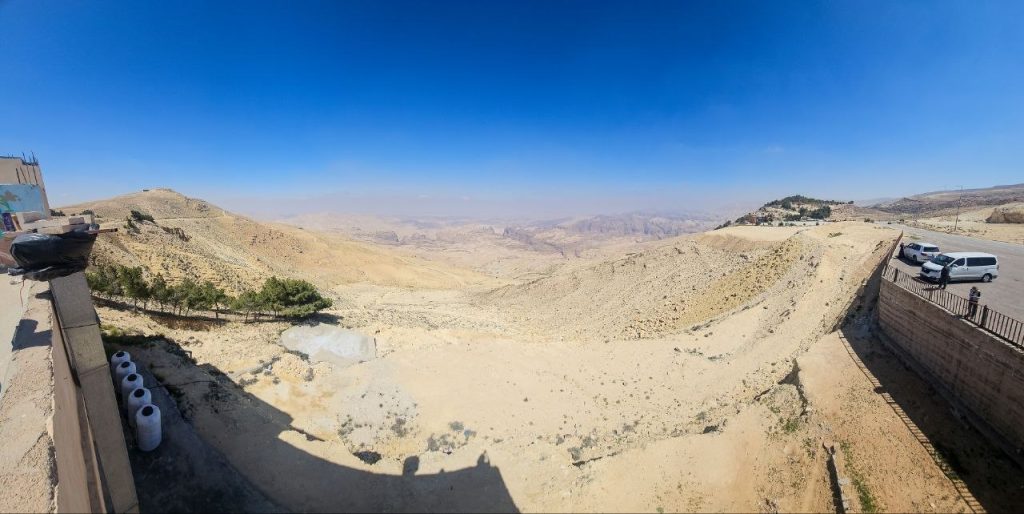
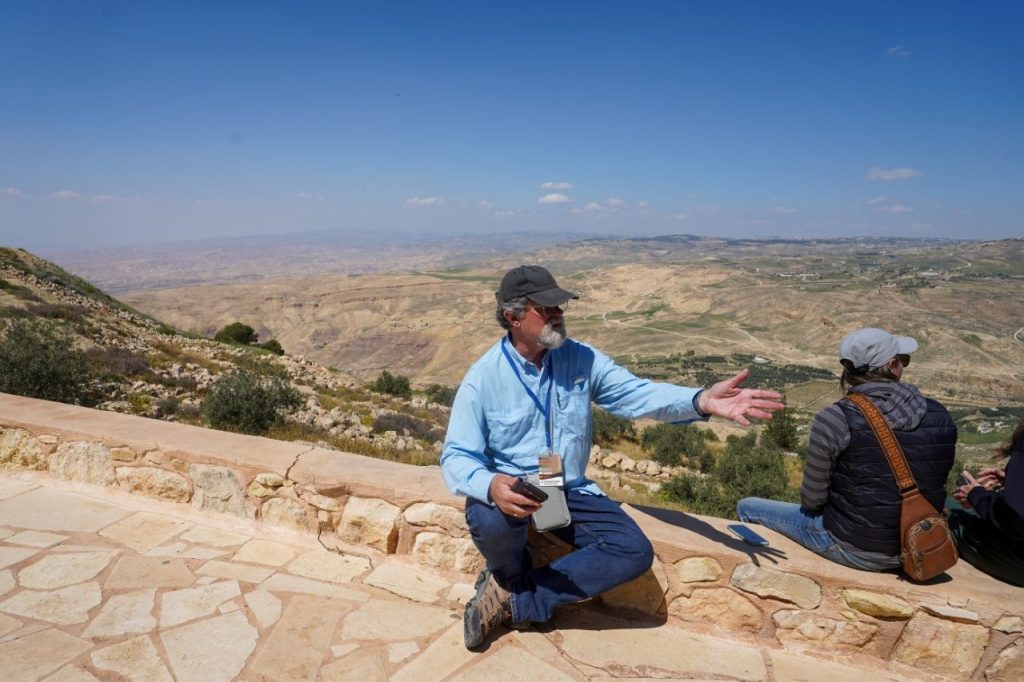
The view from Mount Nebo. Balaam tried to curse Israel from here, but God gave him only blessings to say over Israel. Moses could see the Promised Land, but not enter.

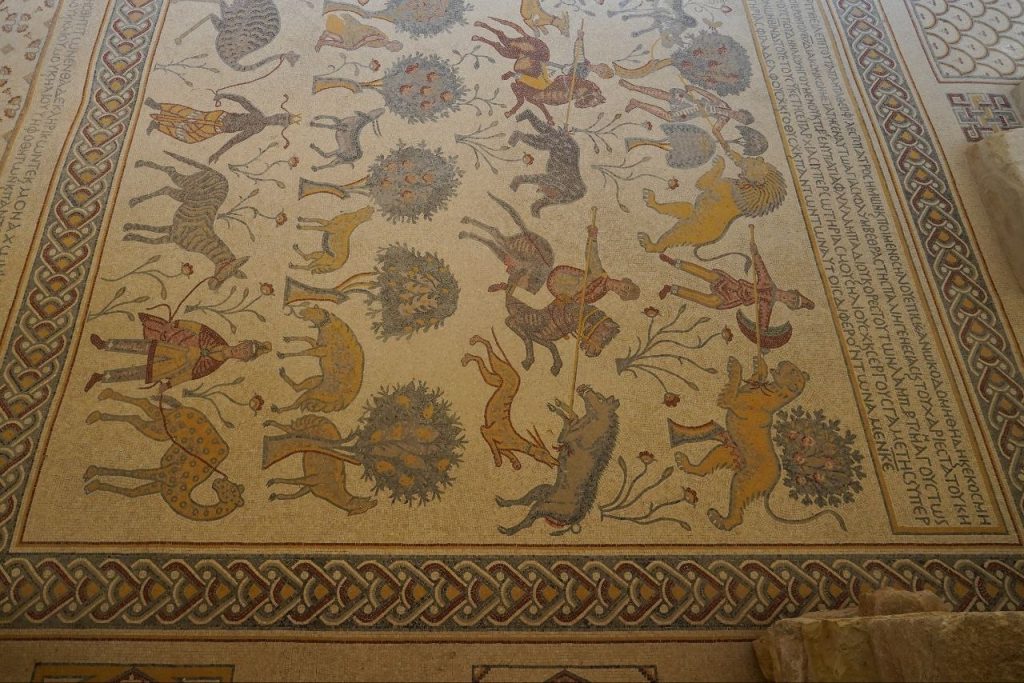
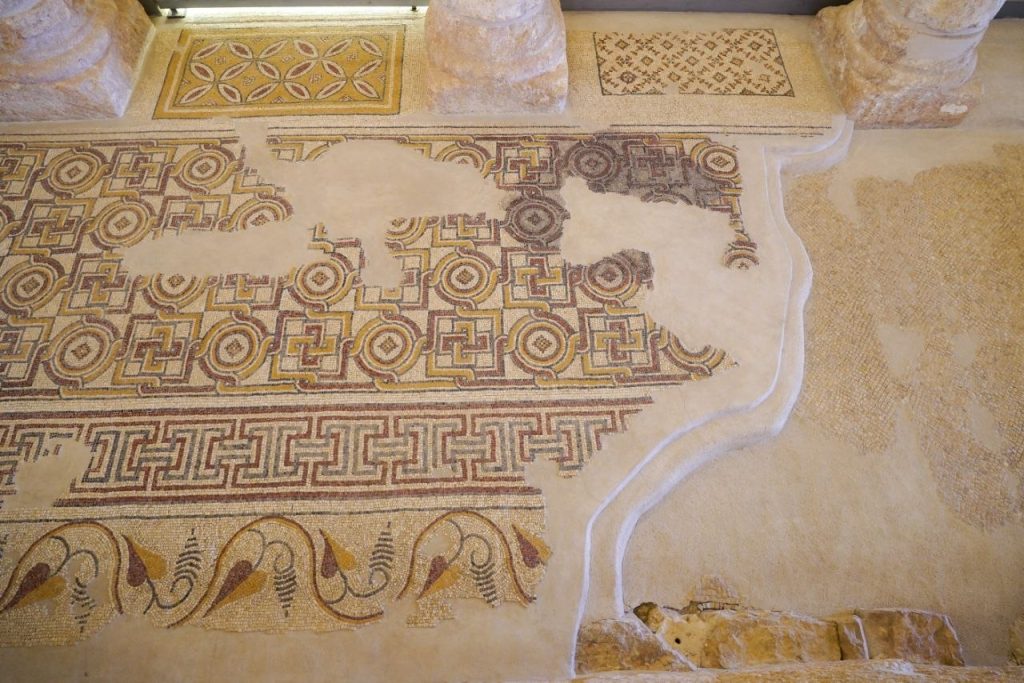
Ancient mosaics preserved in the church.

Categories
Moses and Egypt

Petra

Thursday, April 9

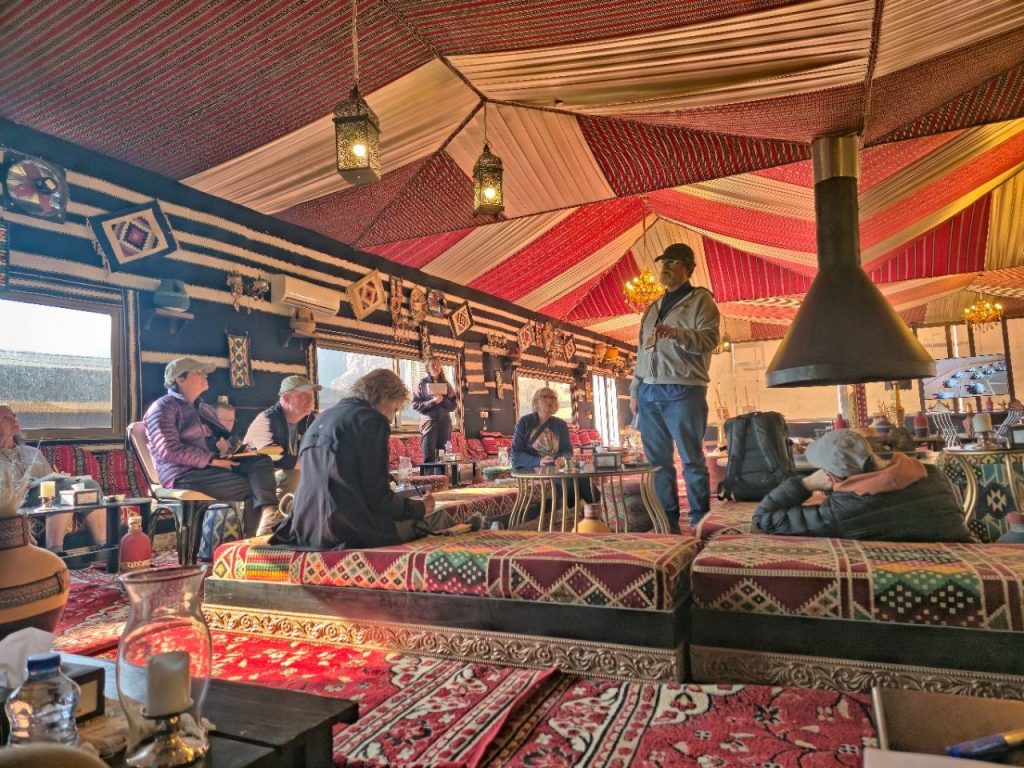
We had some serious teaching sessions in this Bedouin style tent. We’re in Edom. From faithful Abraham to paganism happened in three generations. Correcting character flaws in children is much easier when done early.

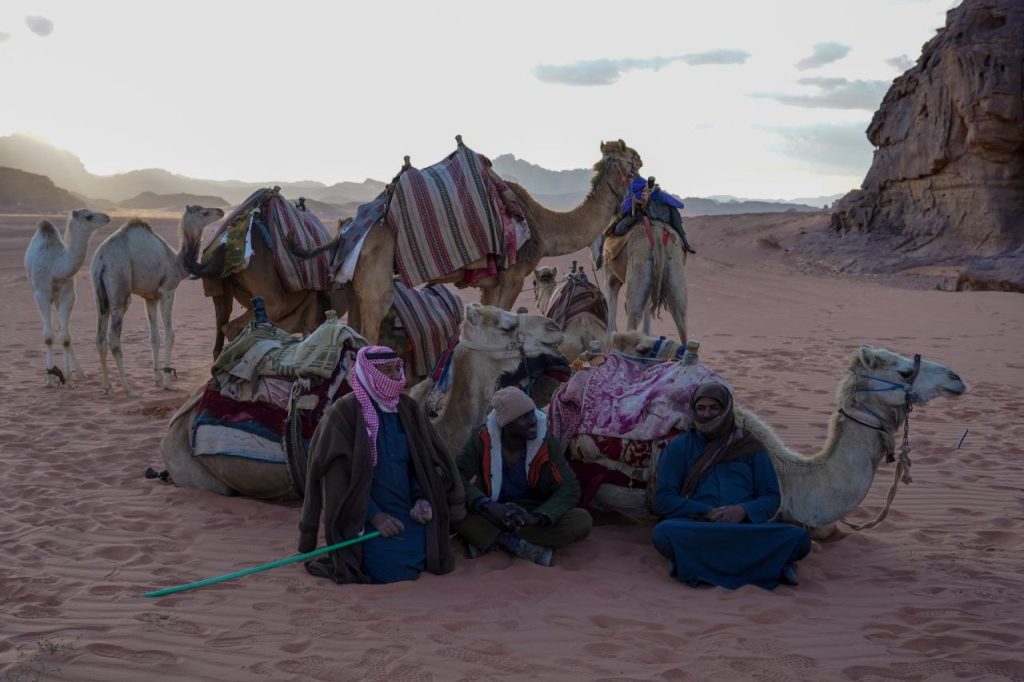
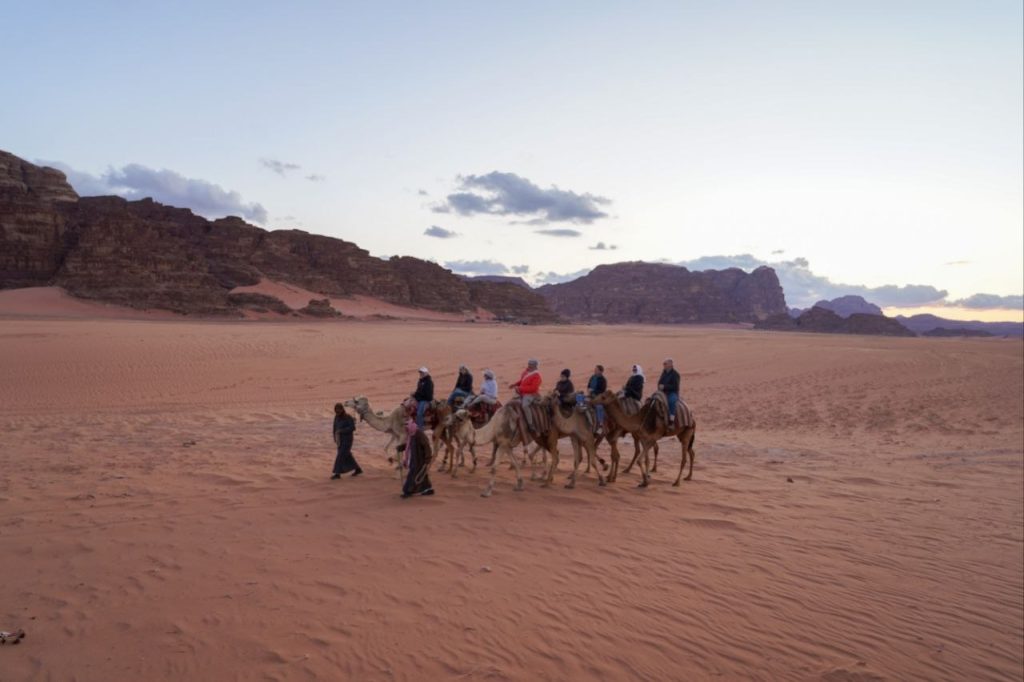
Break time in the camel ride

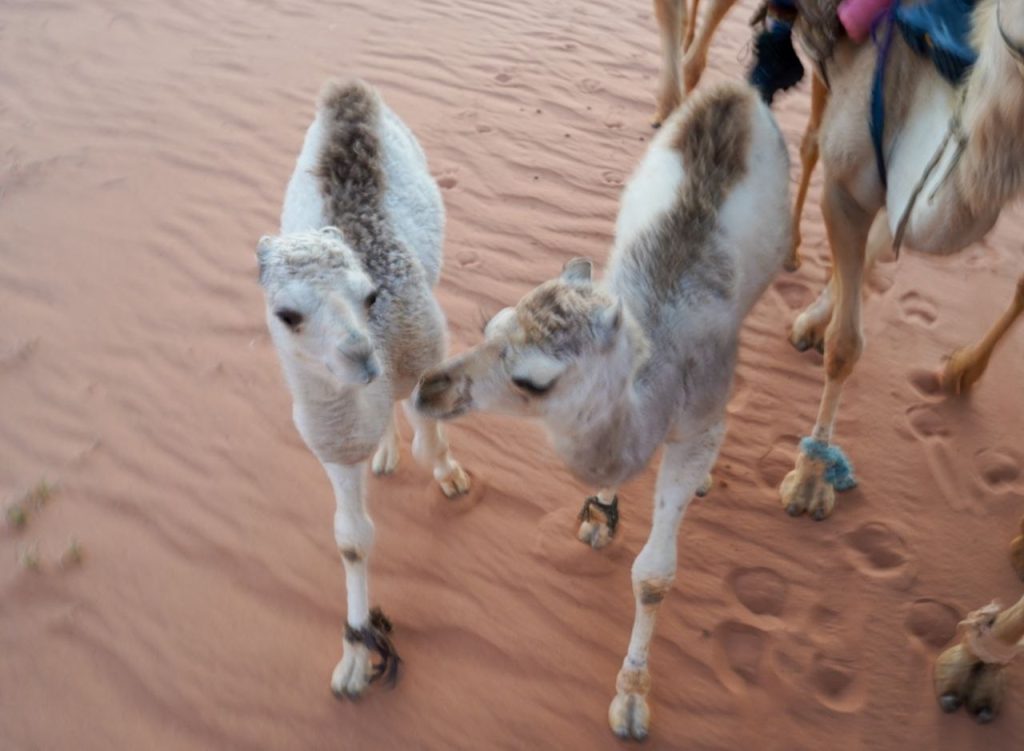
Some baby camels went along

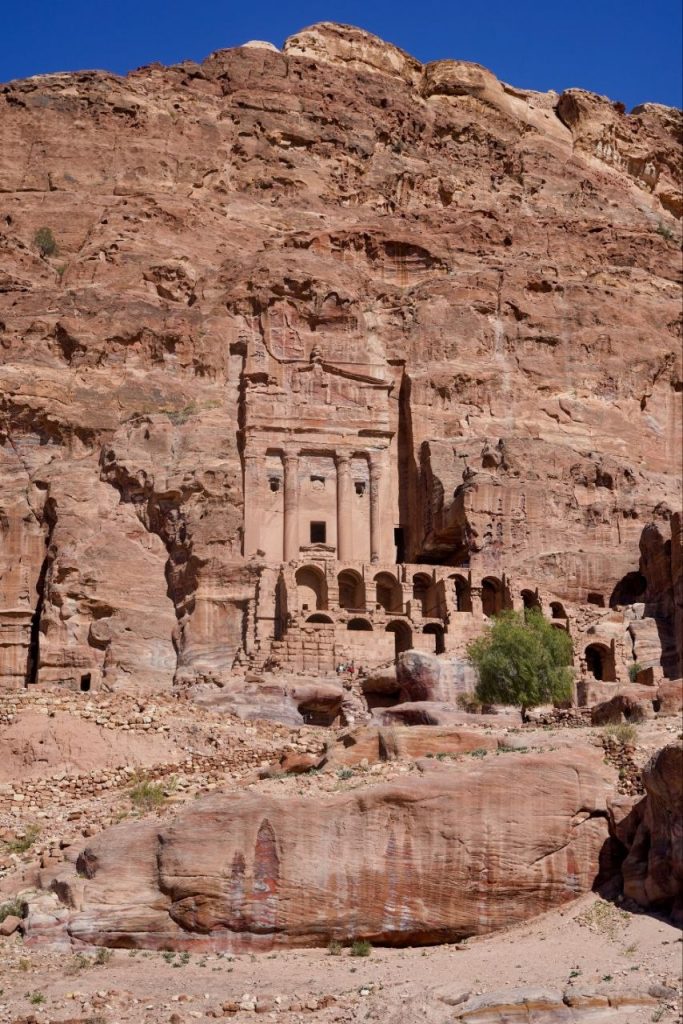
Petra

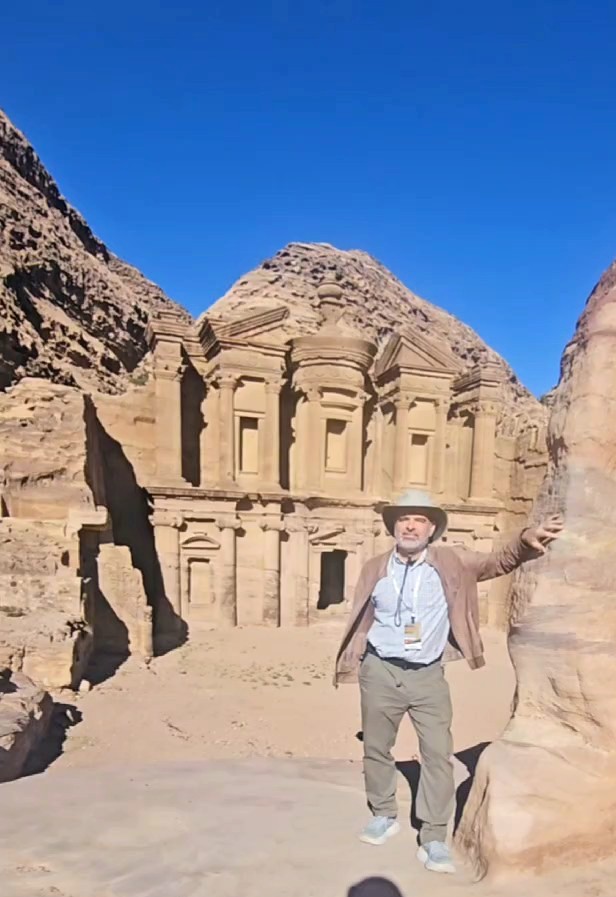
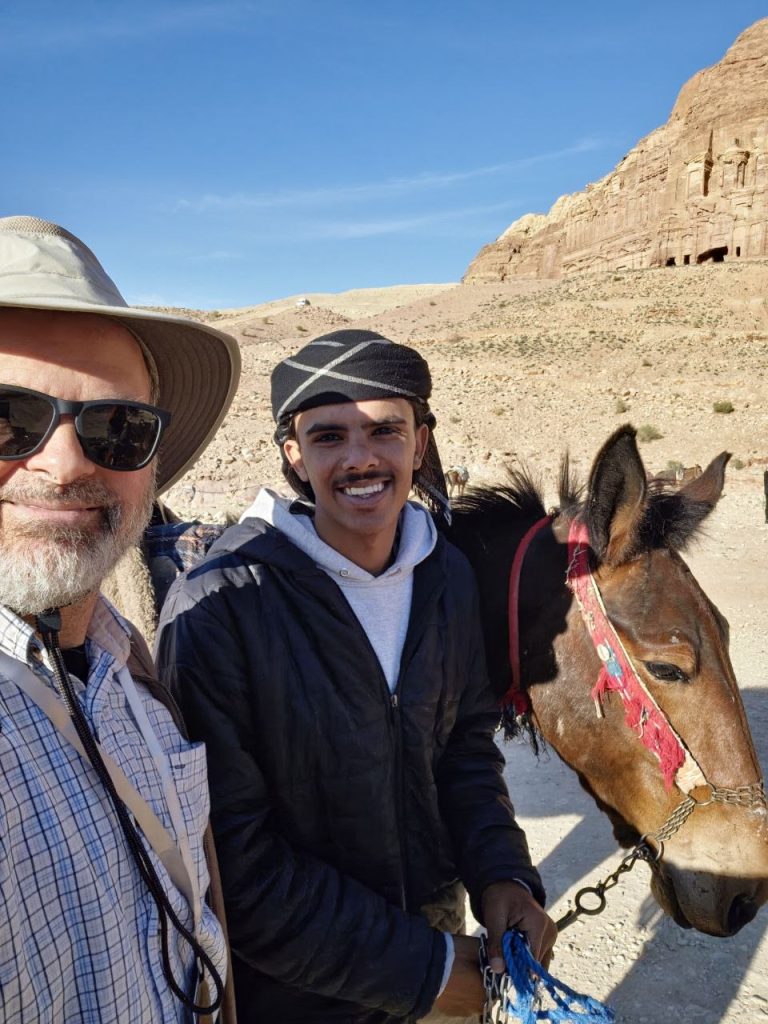
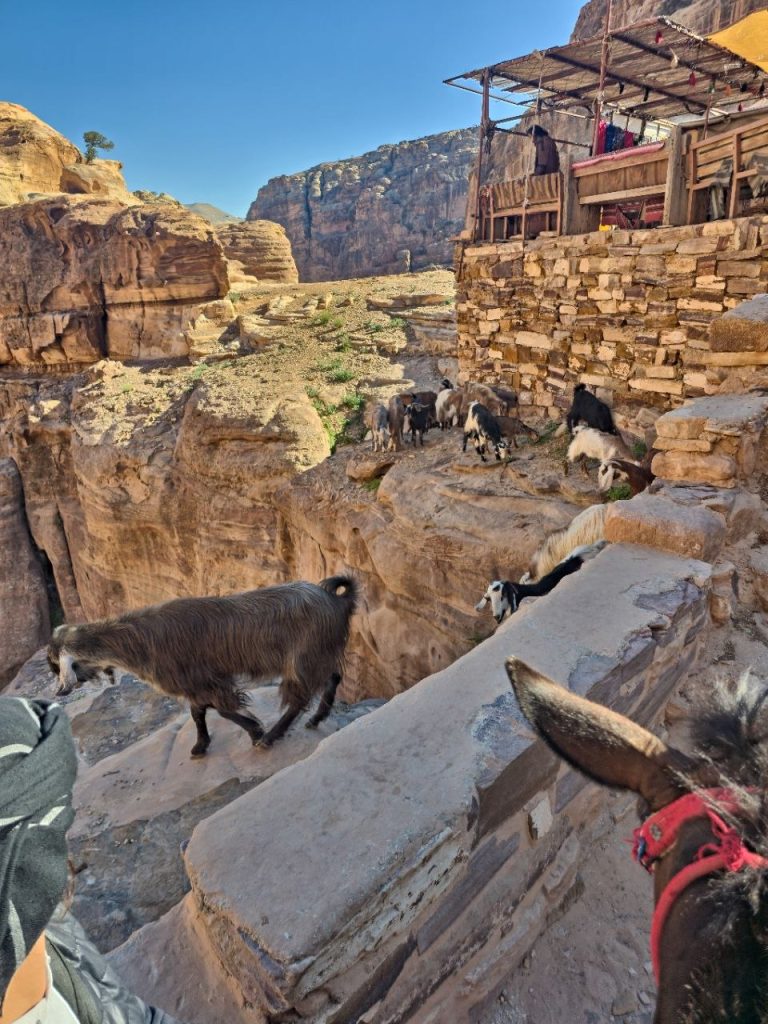
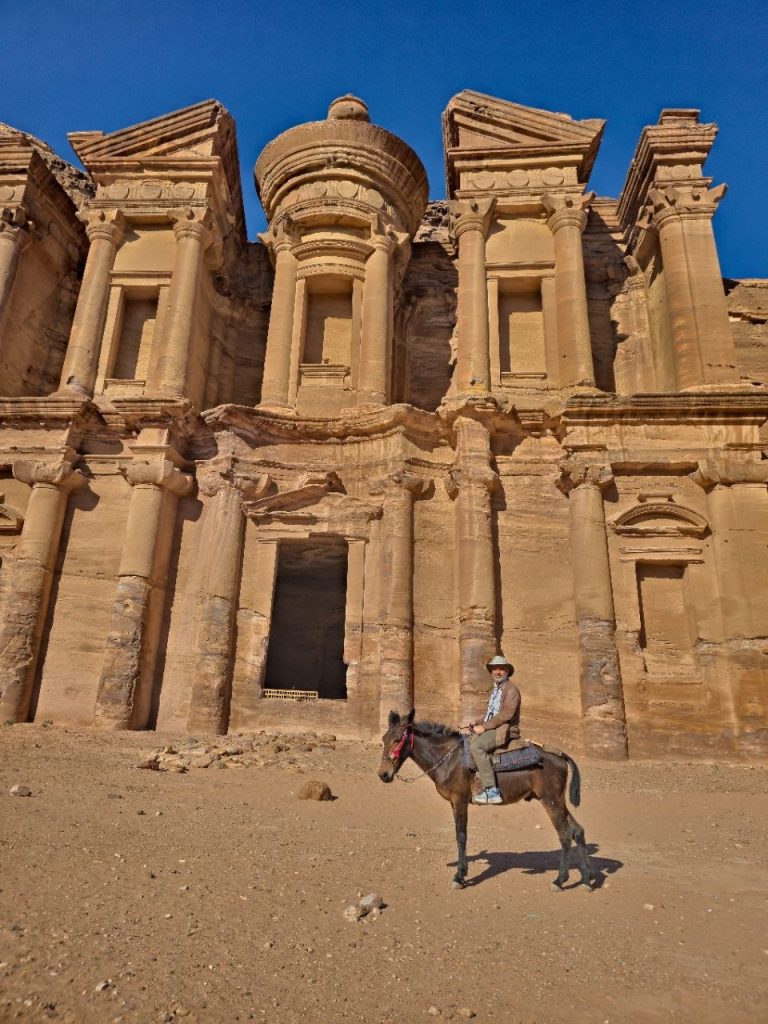
The locals are helpful in making it easy to get to the monastery. Riding a mule saves wear and tear on your knees. It is more than 800 steps to climb and then come back down.

I felt like Balaam when he crushed my foot against a wall. But most of the ride was enjoyable.

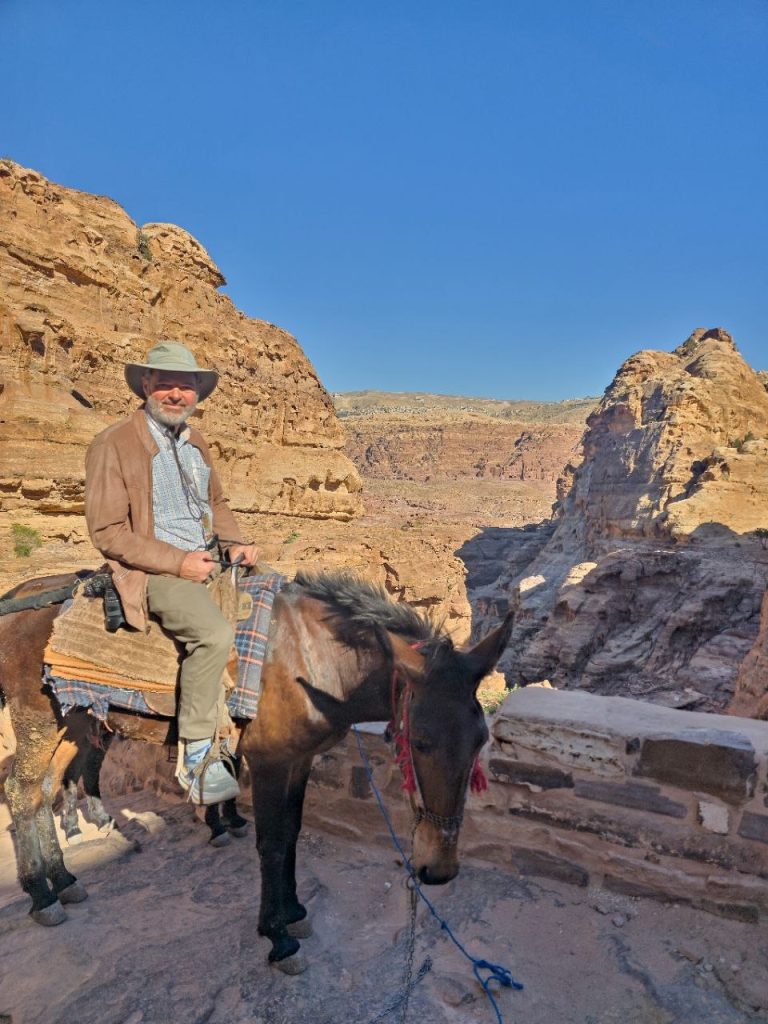
A fellow traveler said I look like a circuit riding preacher in this pic. 😀

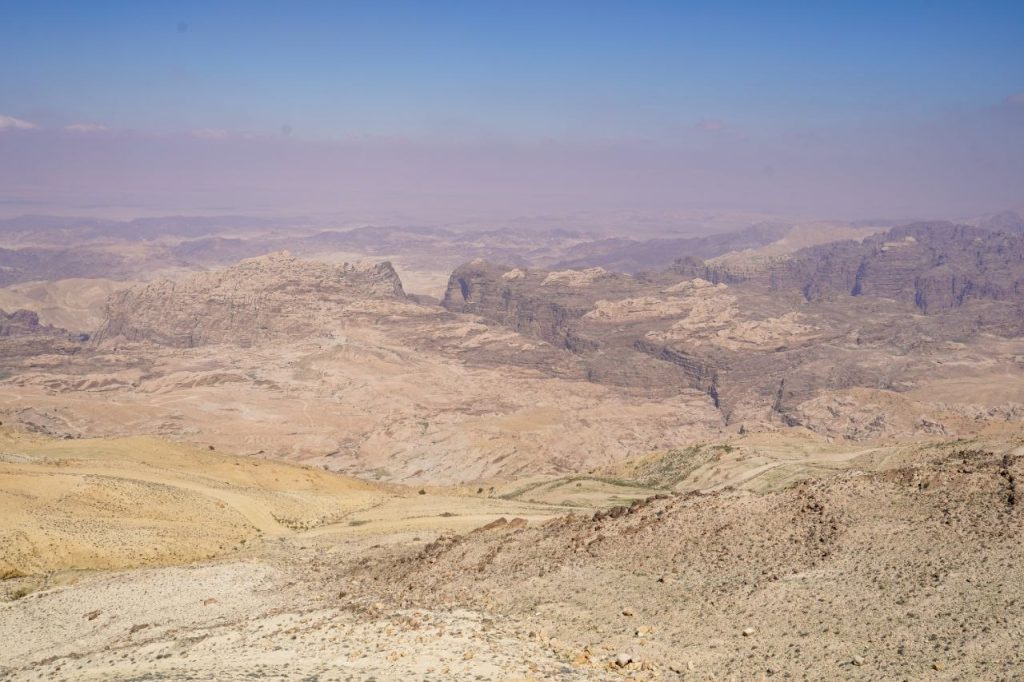
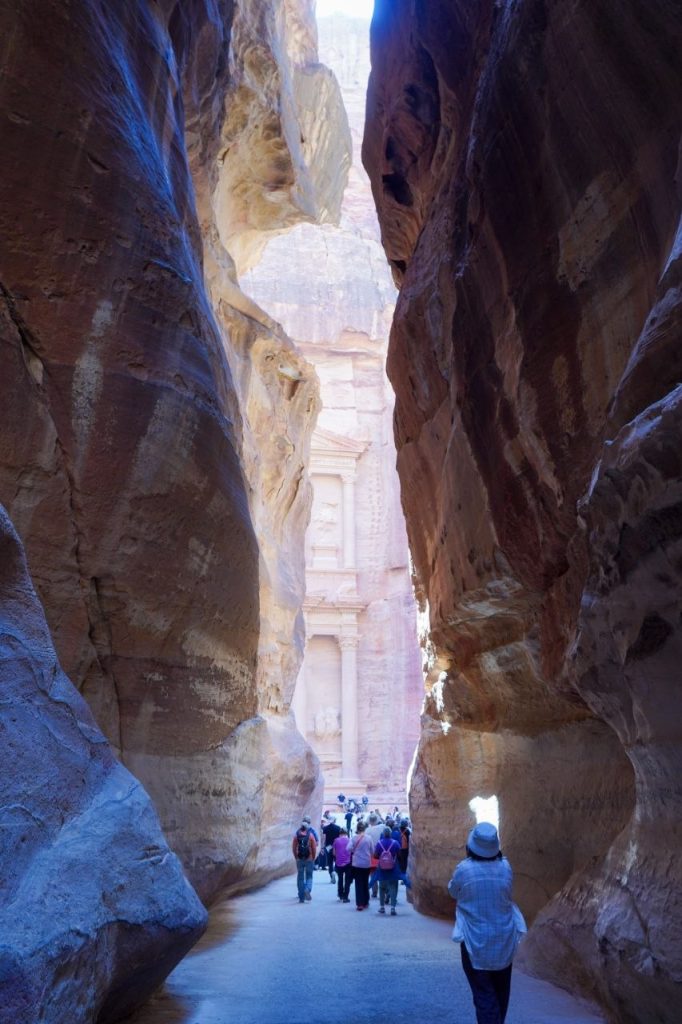
On the King’s Highway looking down on Petra. Notice the canyon.

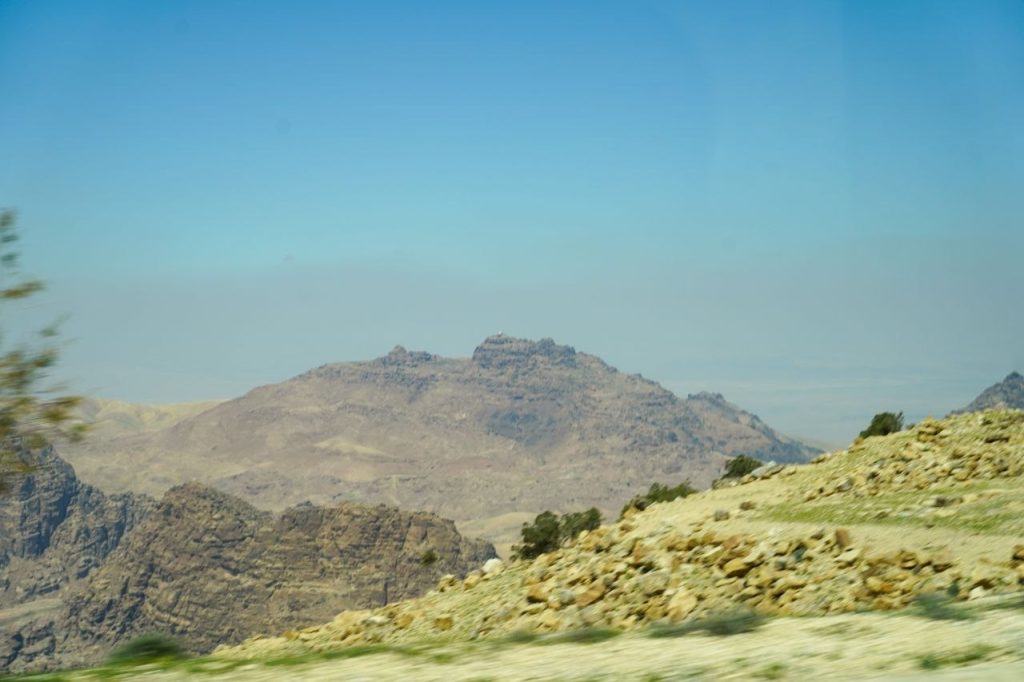
Mount Hor on the edge of Edom

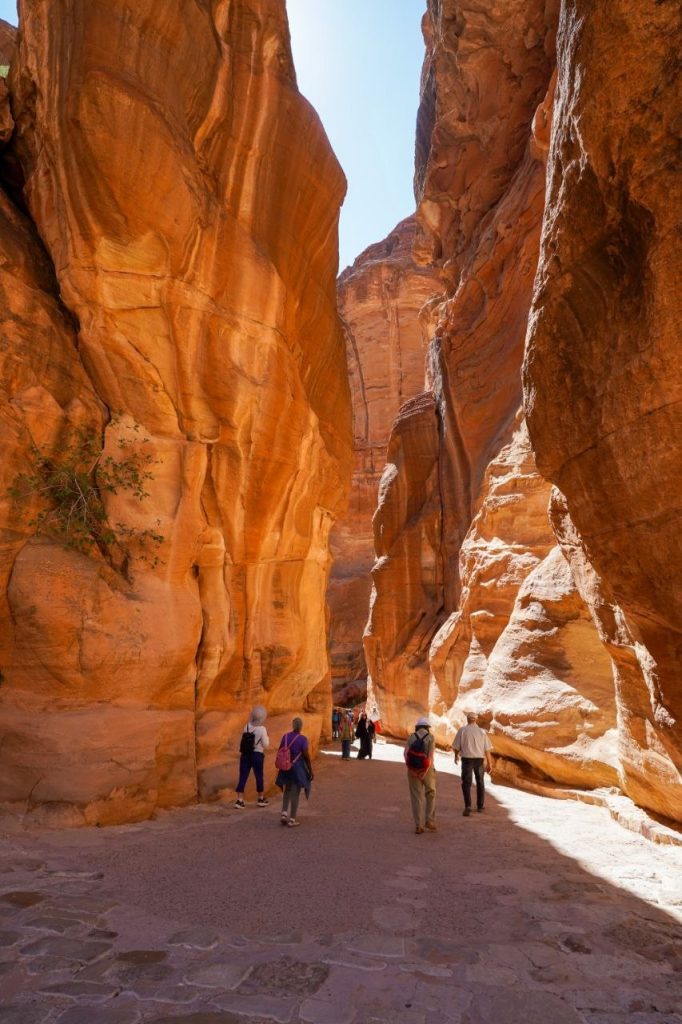
Entering the 1.2 kilometer long Siq (canyon).

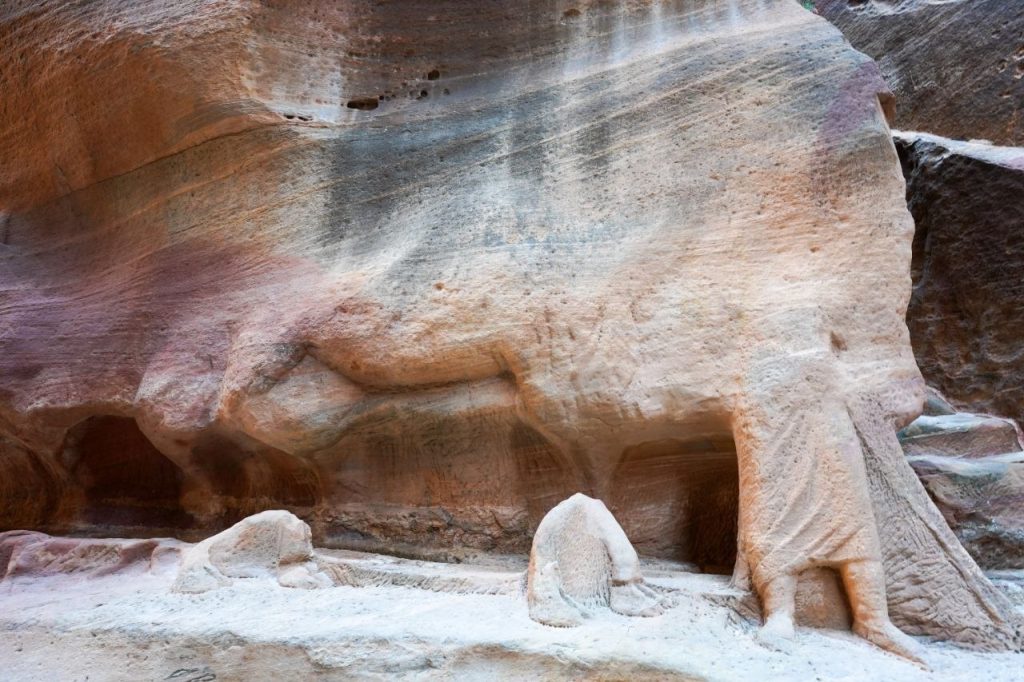
Partial sculpture of a man and camel.

Exiting the Siq

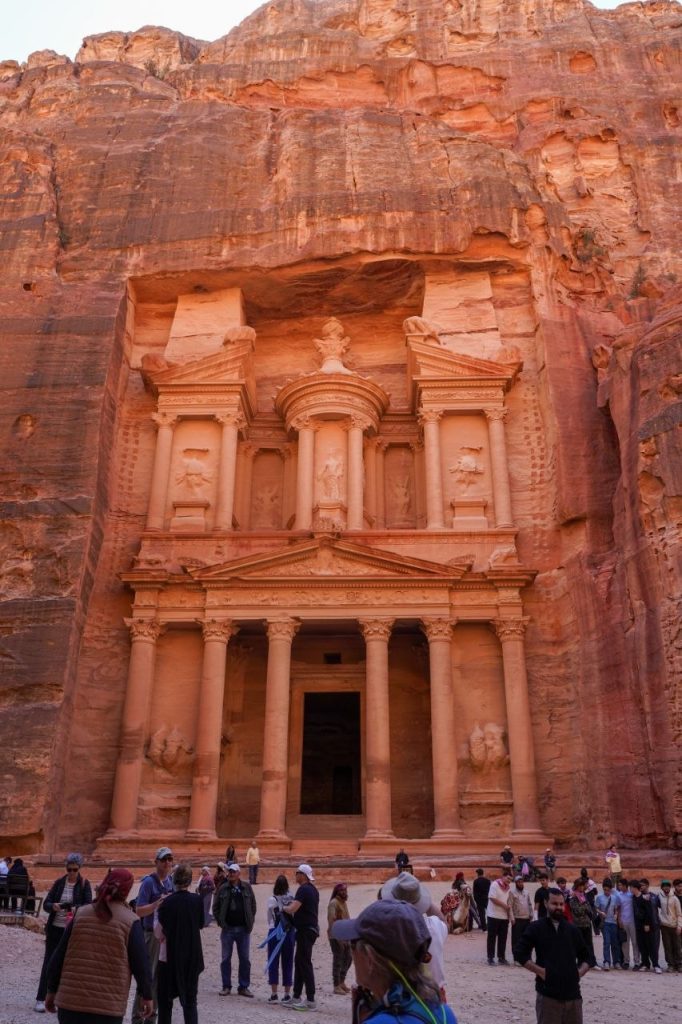
The Treasury

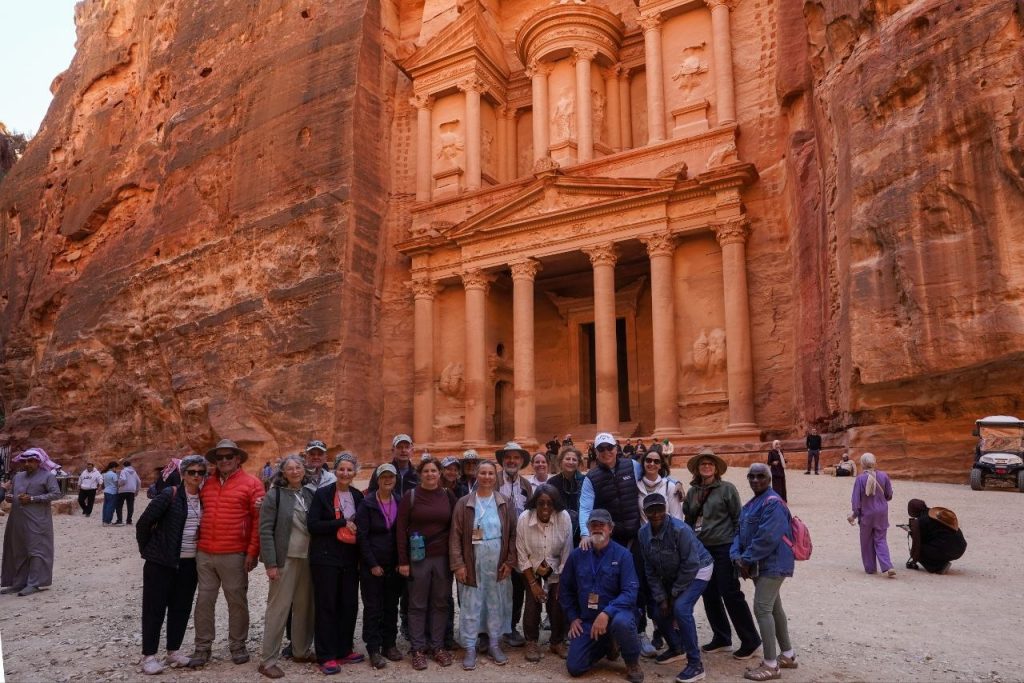
Our tour group

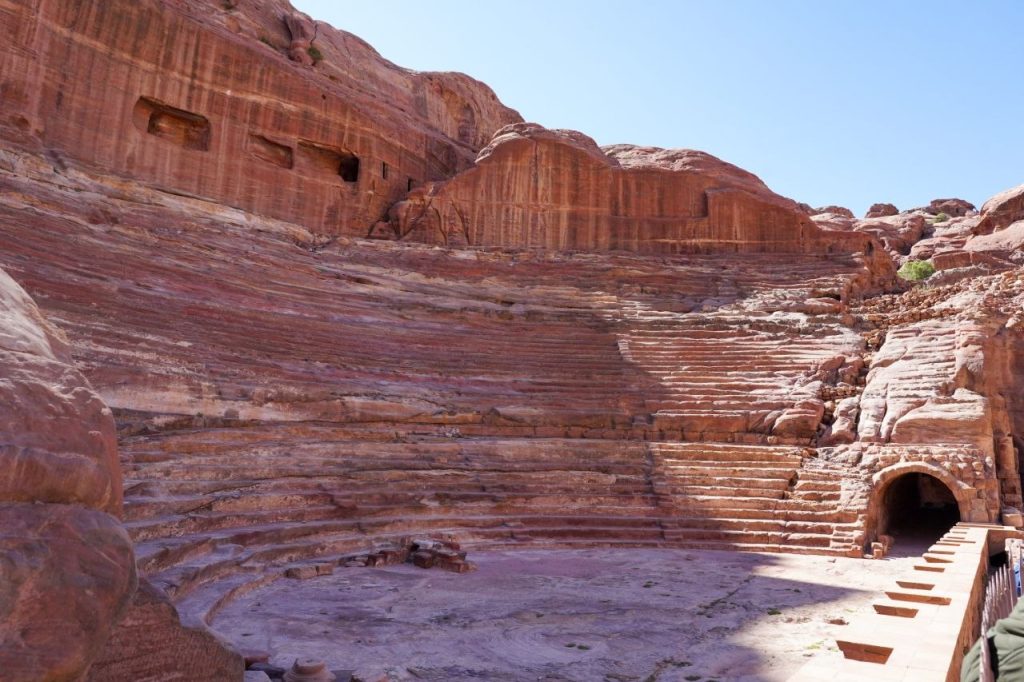
Roman theater

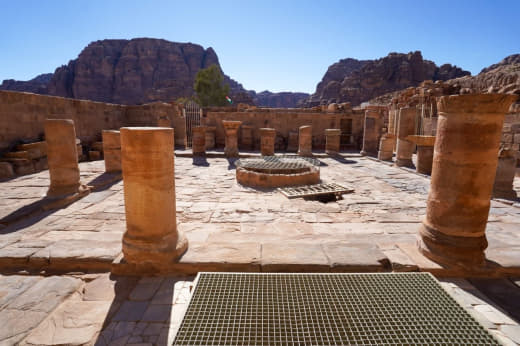
This was used as a church in Byzantine times.

This is a church building

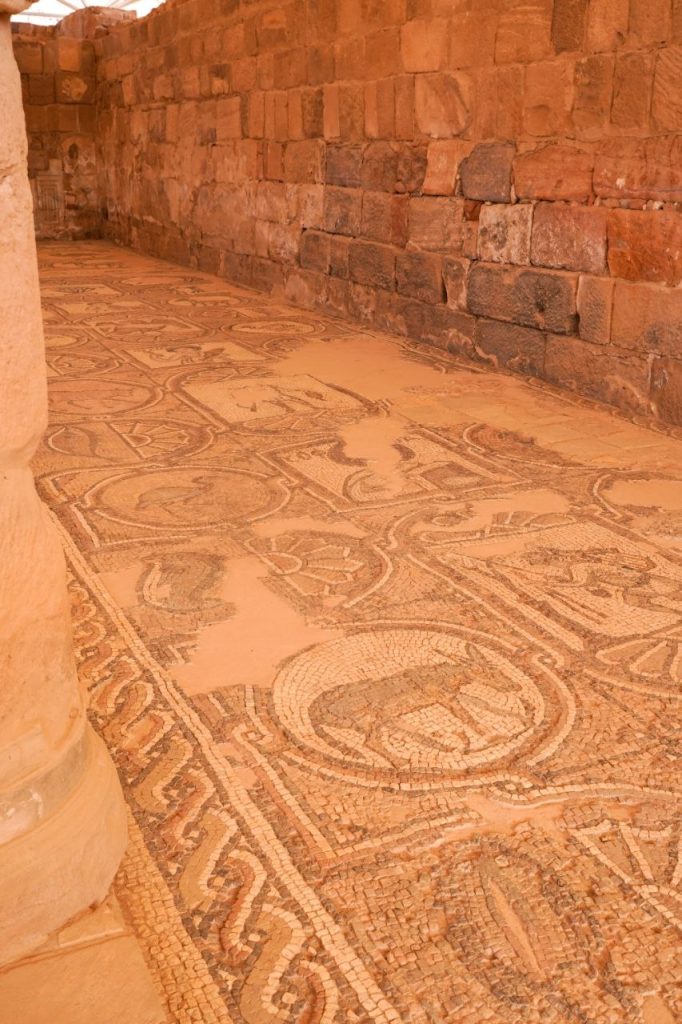
Mosaic floor

Categories
Moses and Egypt

Tuesday, April 7

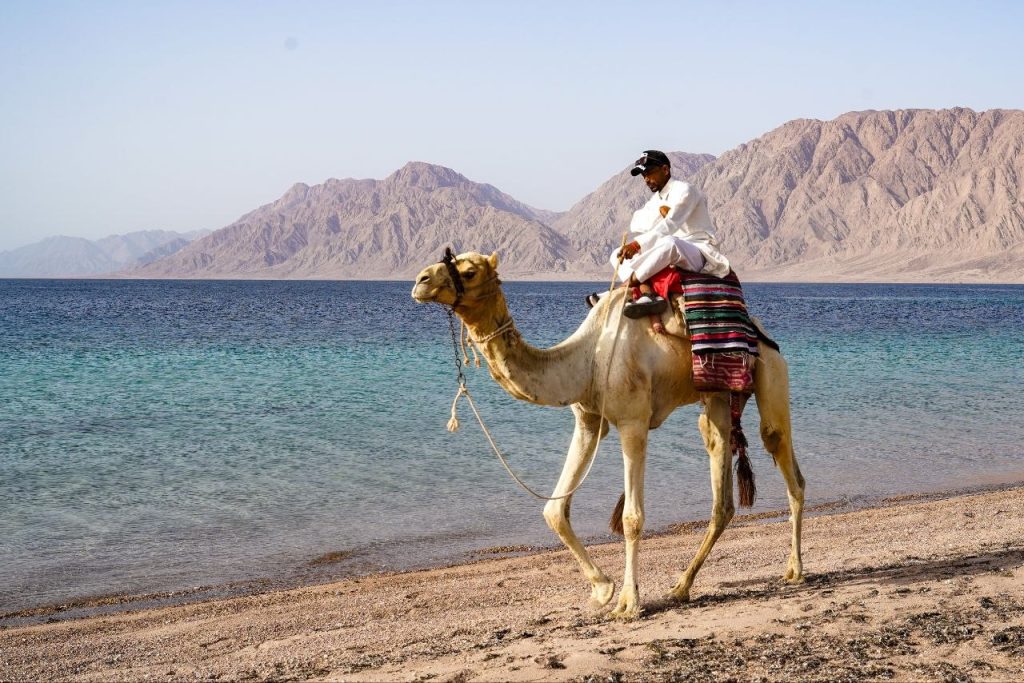
We’re at Nuweiba. I saw this guy riding his camel on the beach this morning. The first language he tried with me was Hebrew. It turned out he knew English quite well. It’s intriguing to me how they pick which language to use with a stranger.

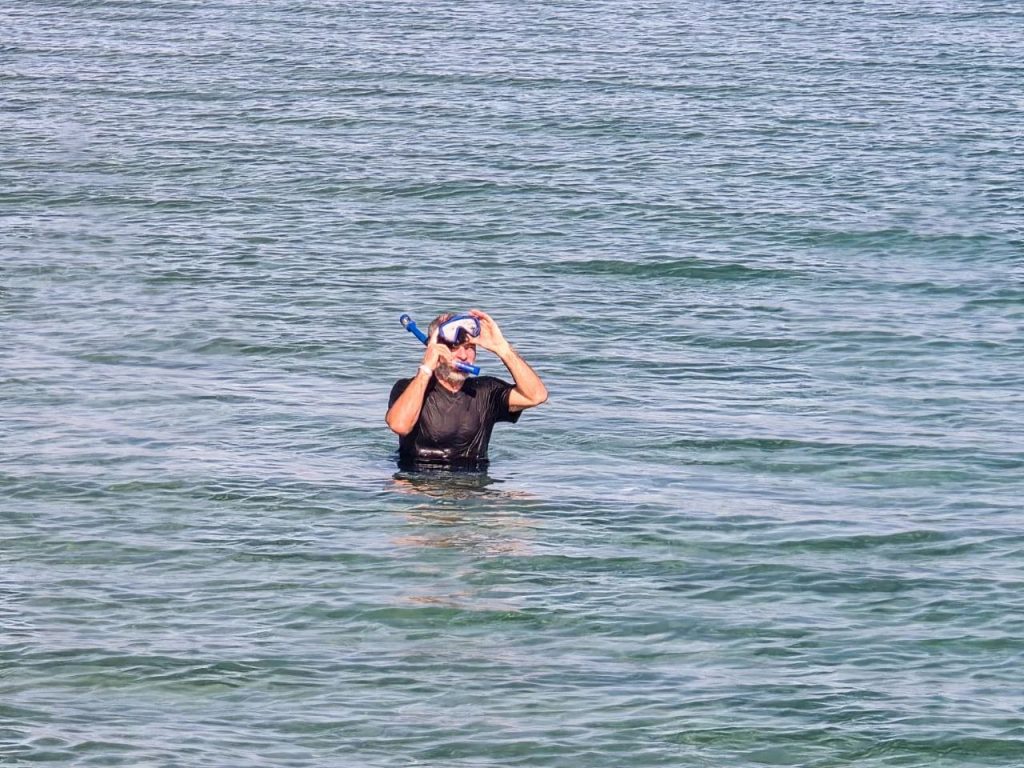
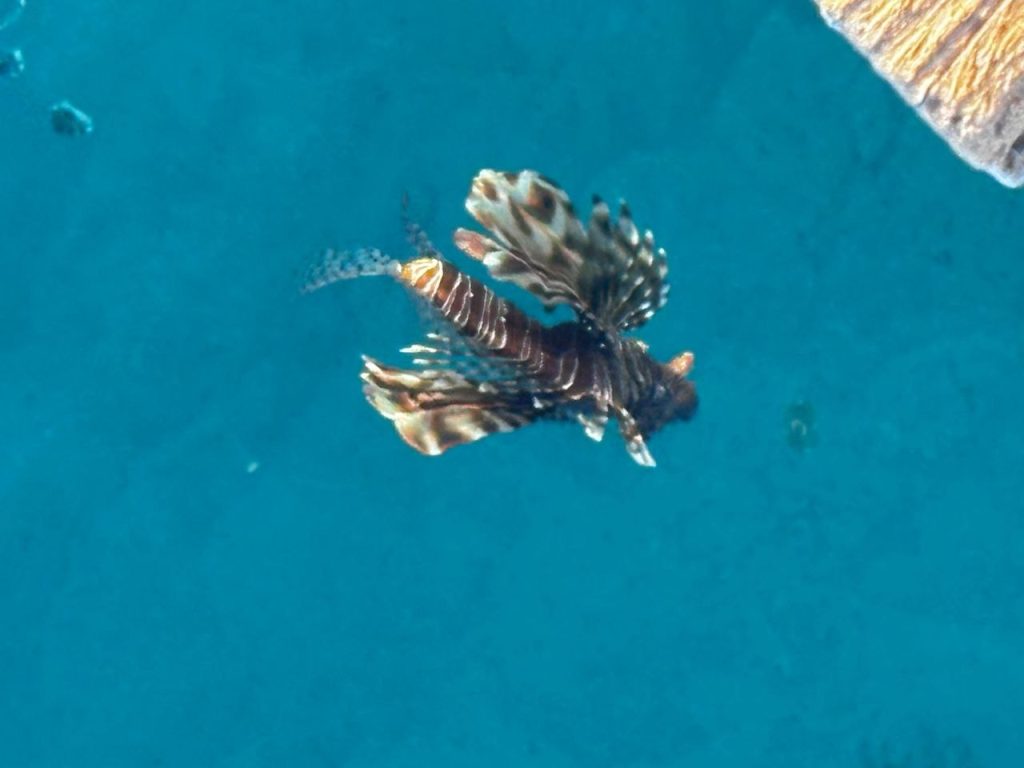
I did a bit of snorkeling at Nuweiba Beach. I saw some lionfish. No chariot wheels. 😀 Photo by our guide, Dr Mustafa Anas.

Lionfish, photo by Christi Pedrow

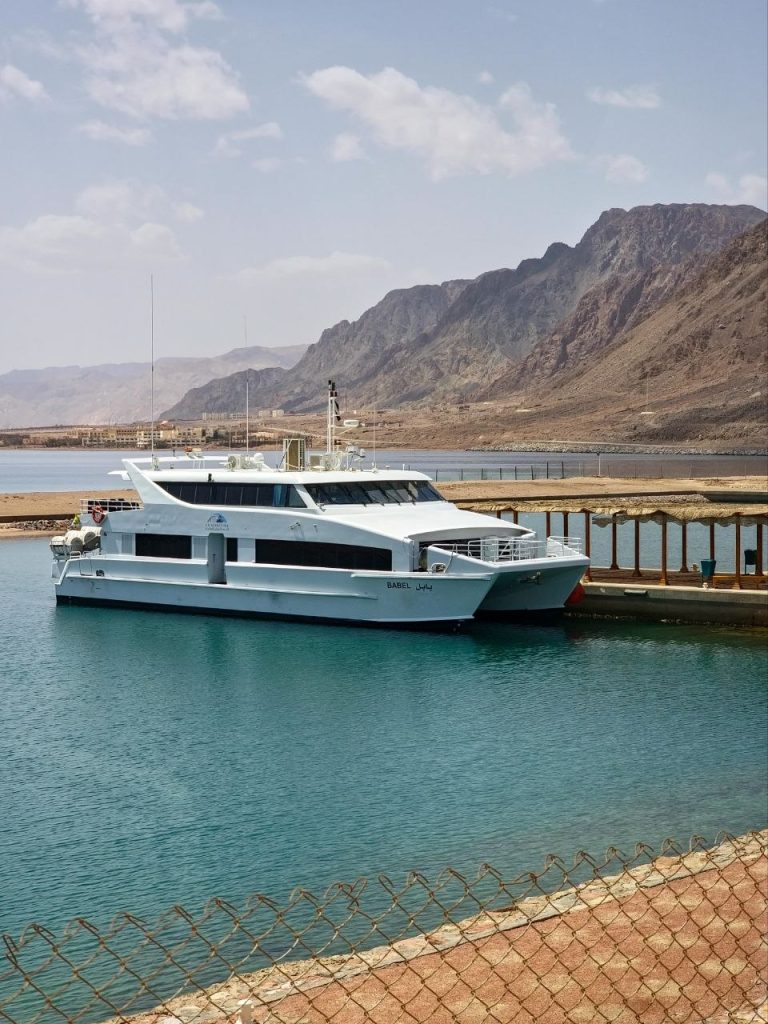
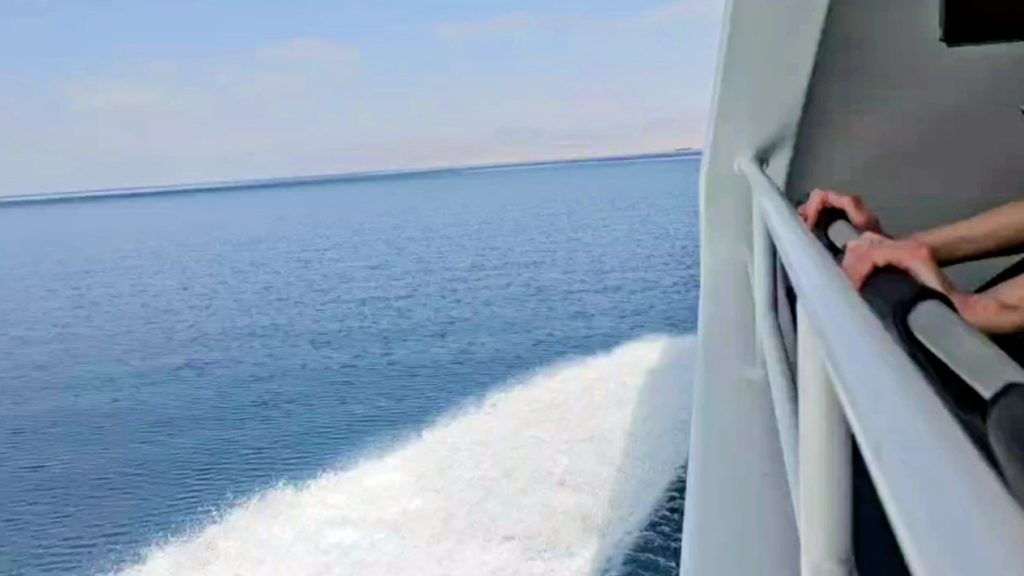
Change of plans. Not everyone got their Israel entry permit in time. Instead of going by land through Israel, we’re crossing by boat directly to Jordan. Sort of like a Red Sea crossing, Nuweiba version.

🎶 …that’s how we got across… 🎶

Wednesday, April 8

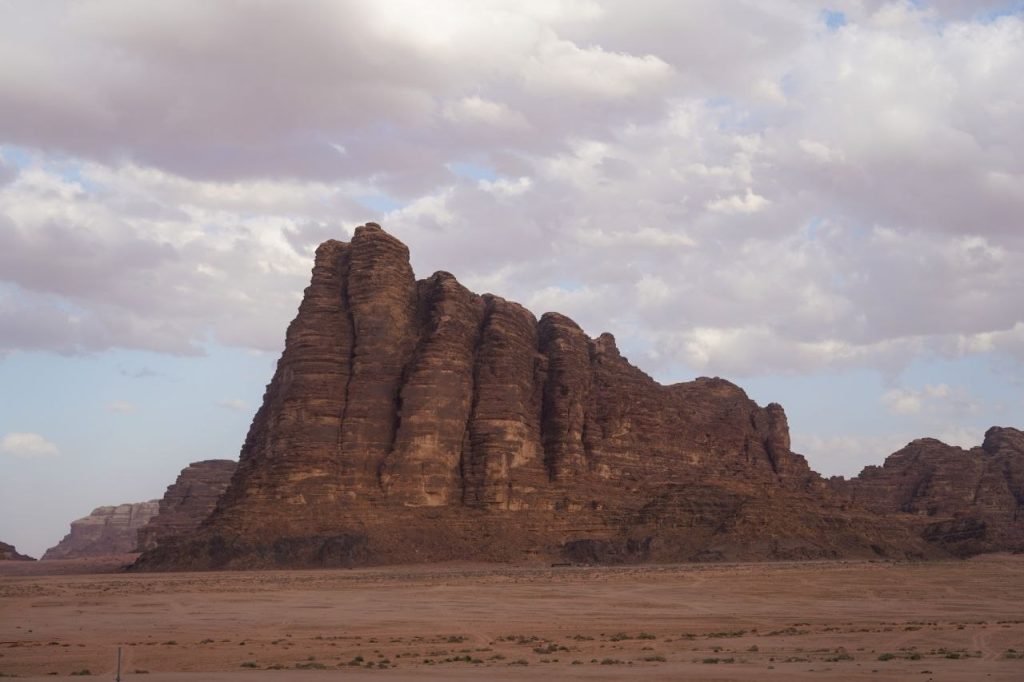
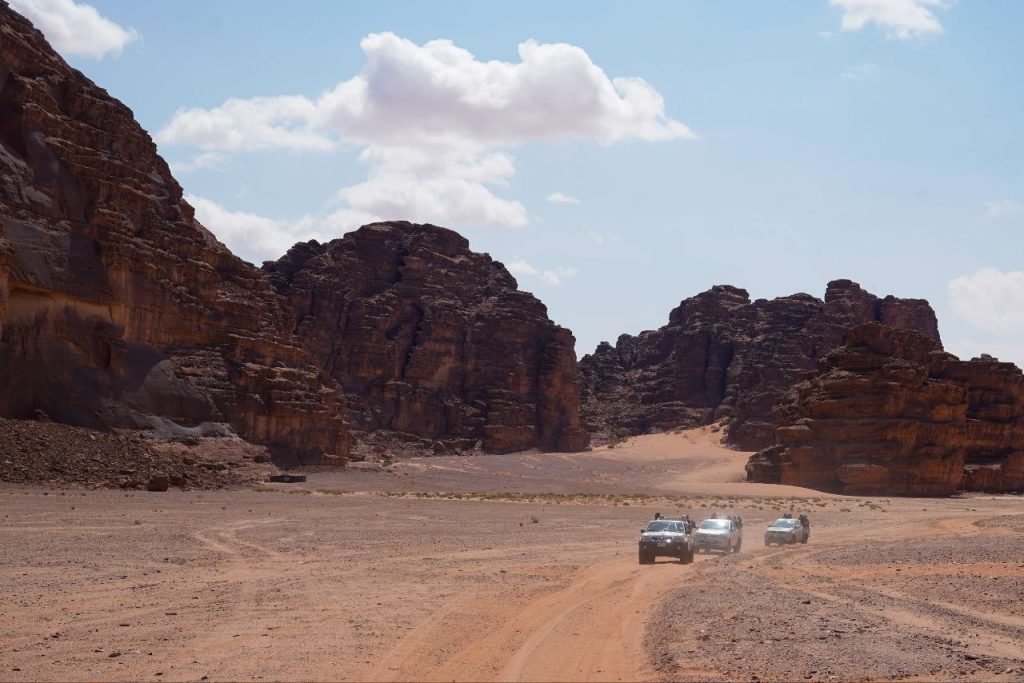
We’re in the land of Edom (Wadi Rum). This formation is named Seven Pillars of Wisdom.

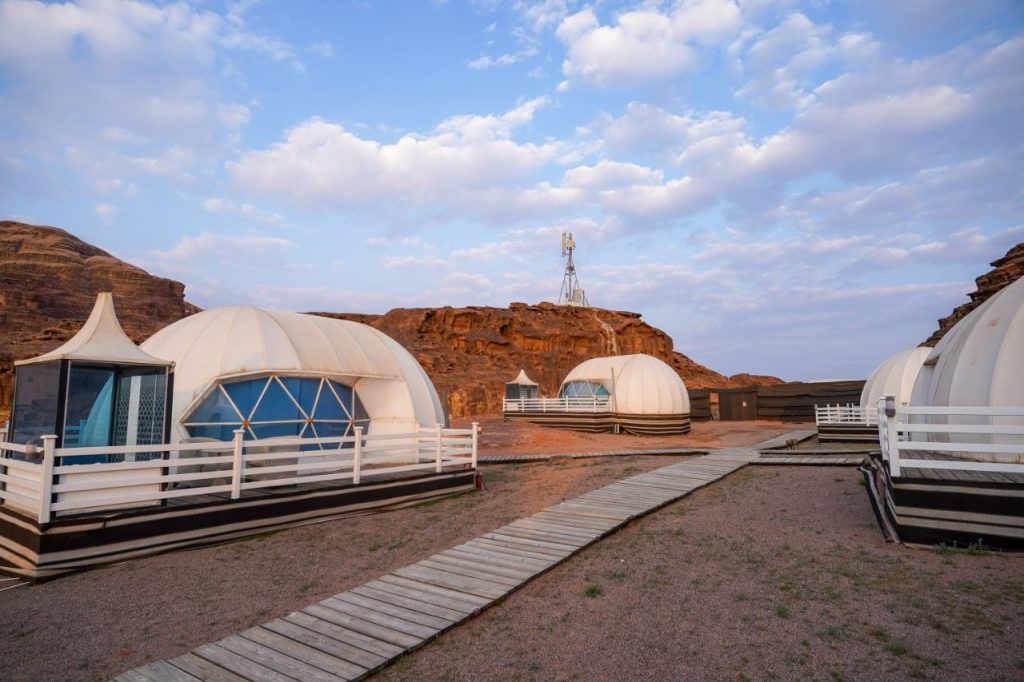
We’re staying in a desert camp for two nights.

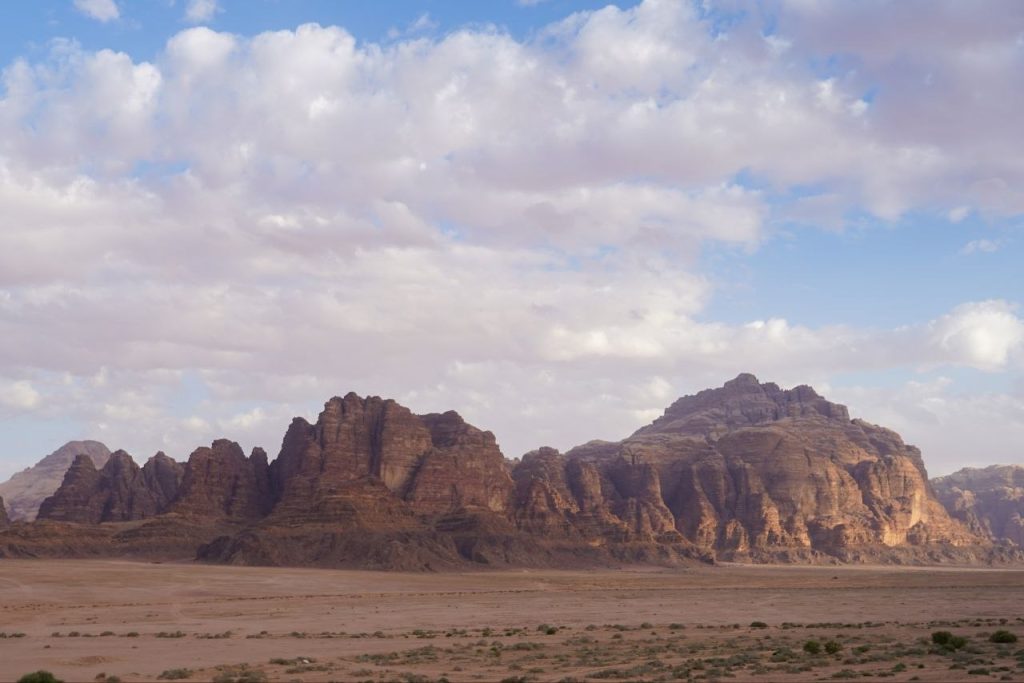
Edom means red in Hebrew. Esau’s descendants lived here. Wadi Rum is sometimes called valley of the moon because of the landscape’s appearance.

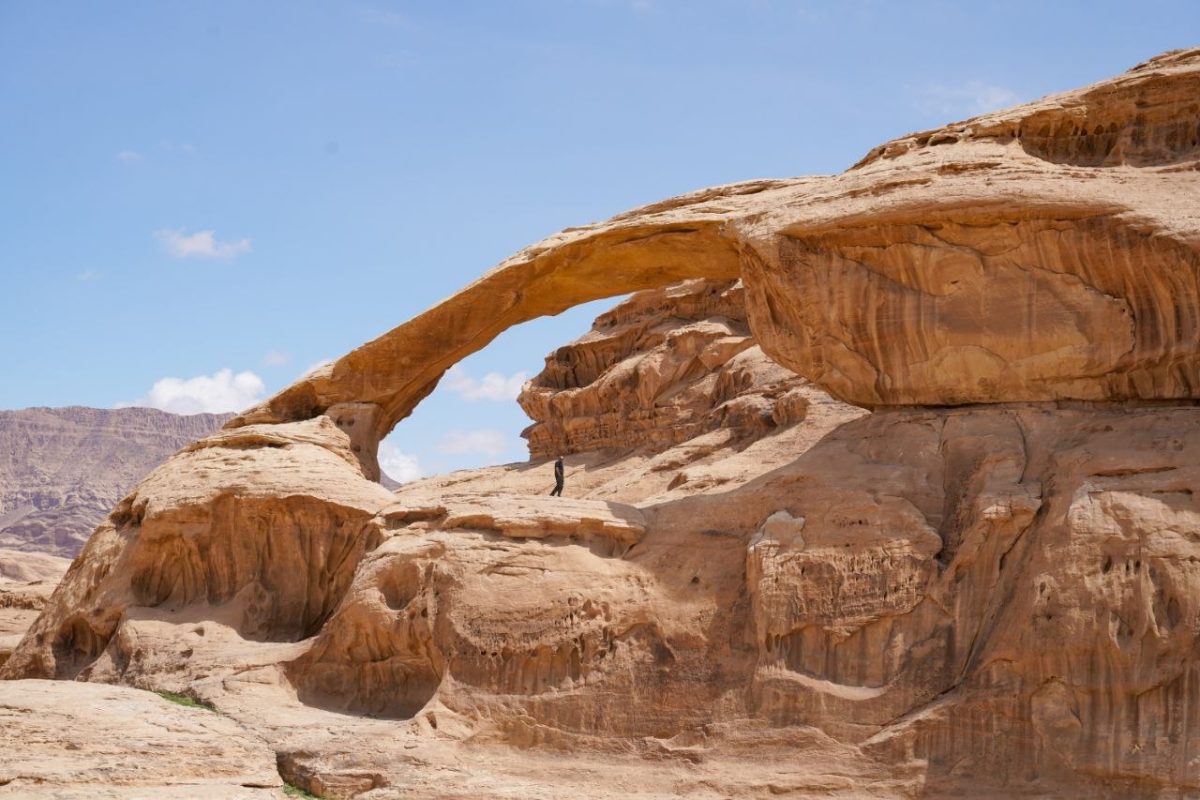
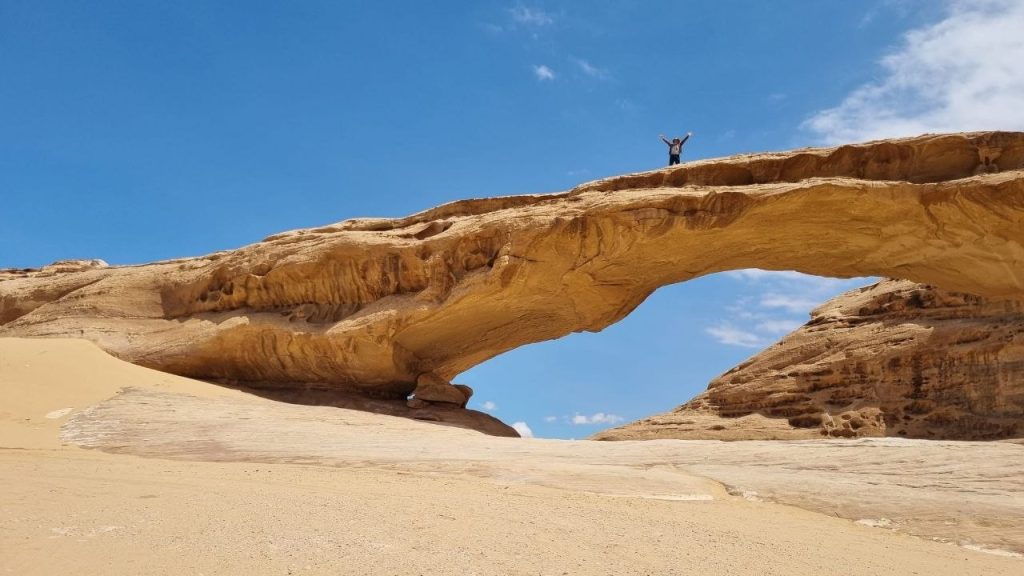
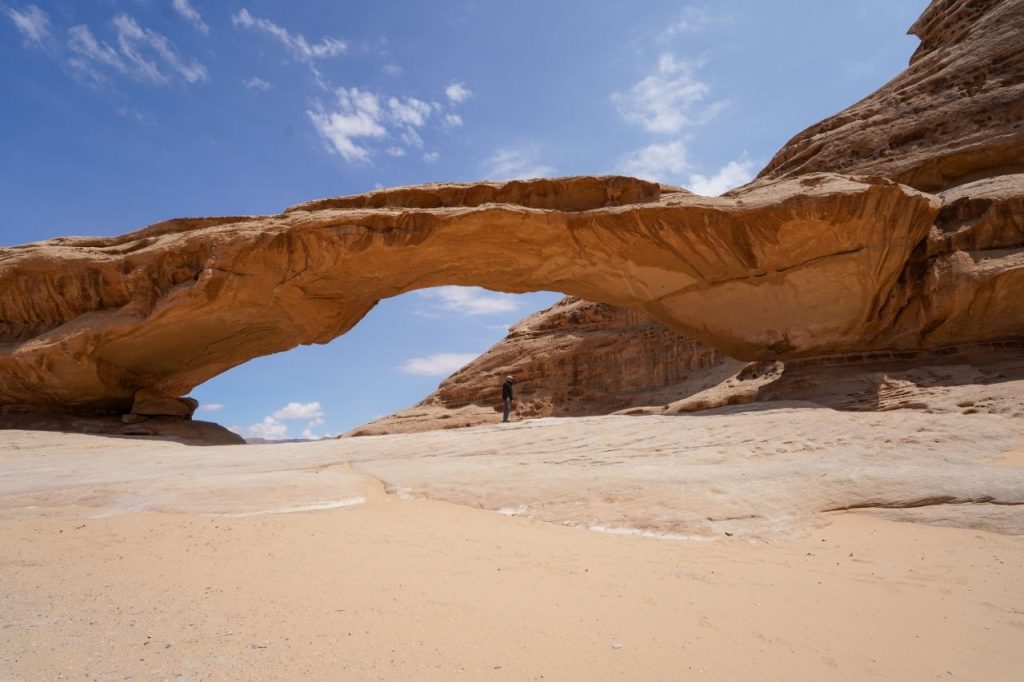
Wadi Rum has arches!

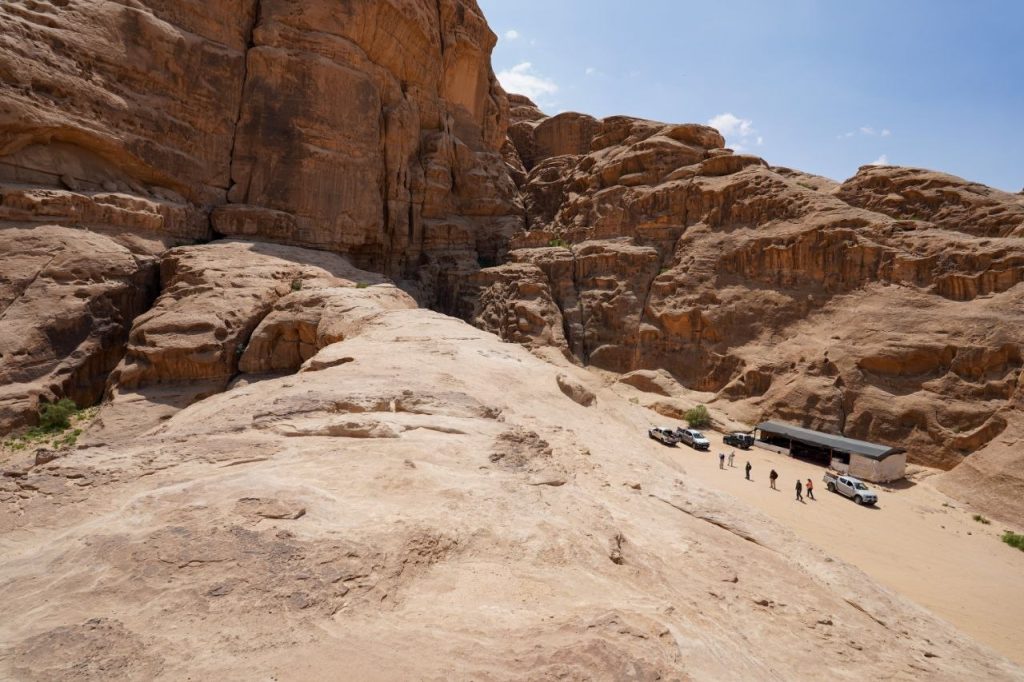
We’re in a caravan of four Toyotas.

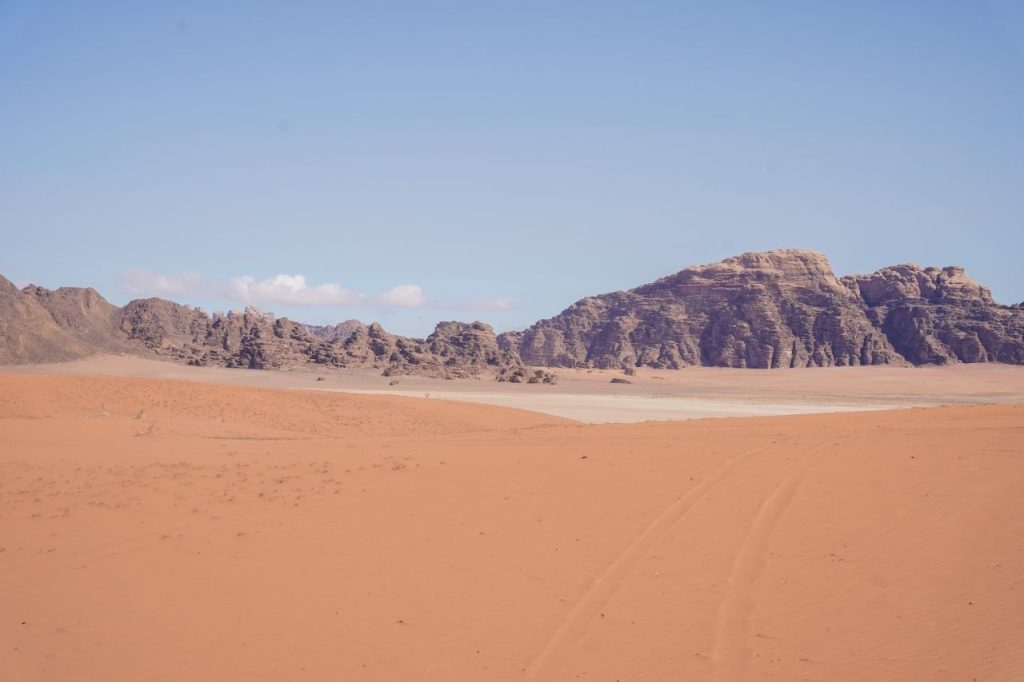
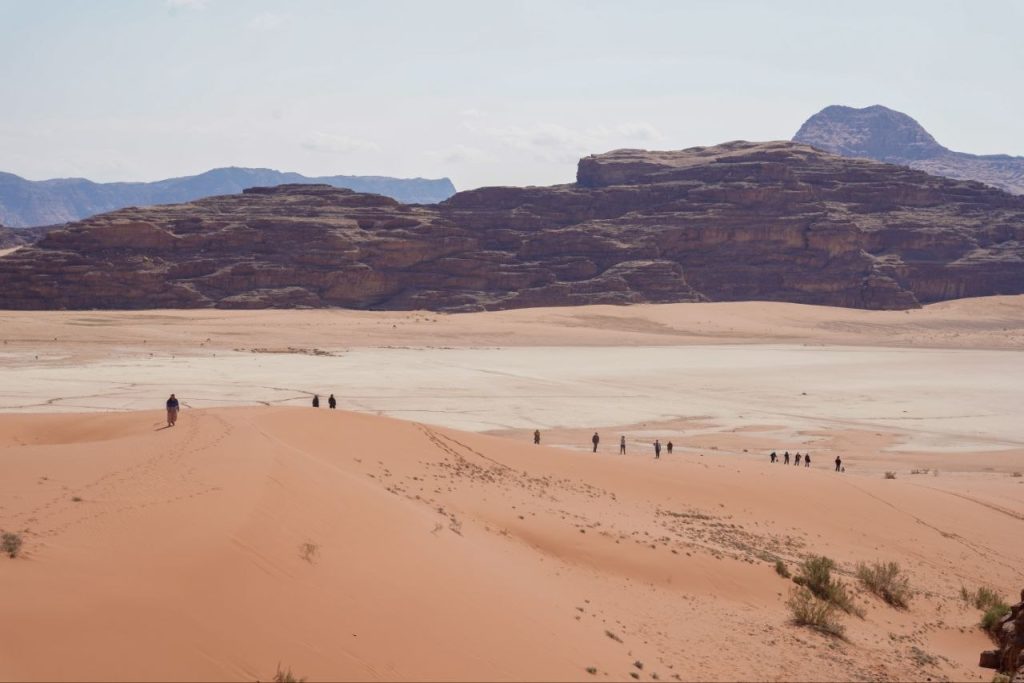
The white sand is where the water collects when it rains.

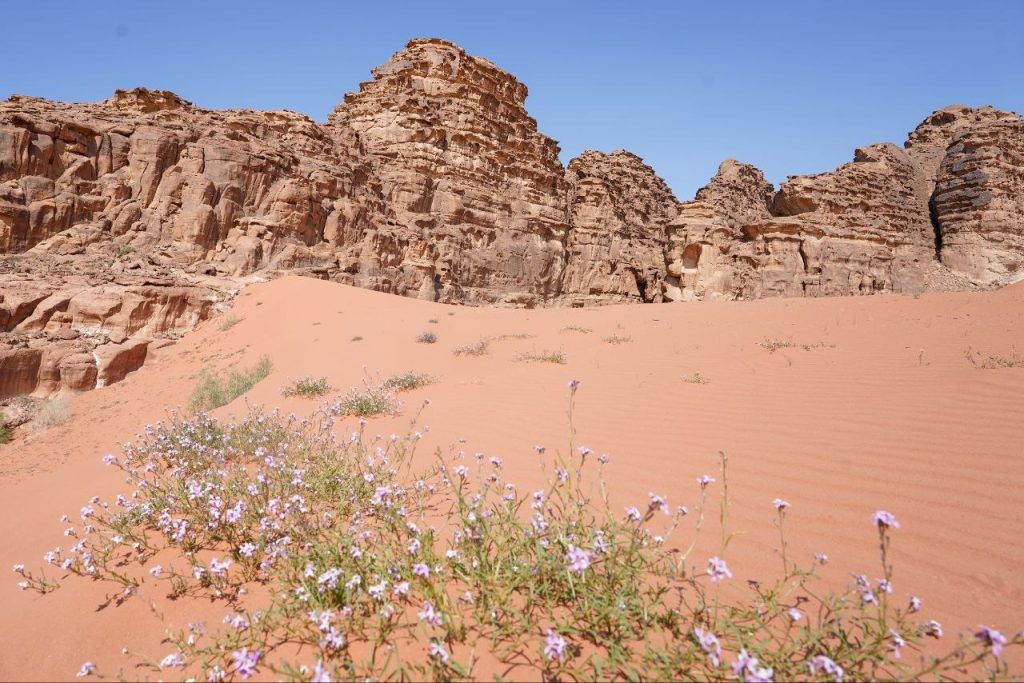
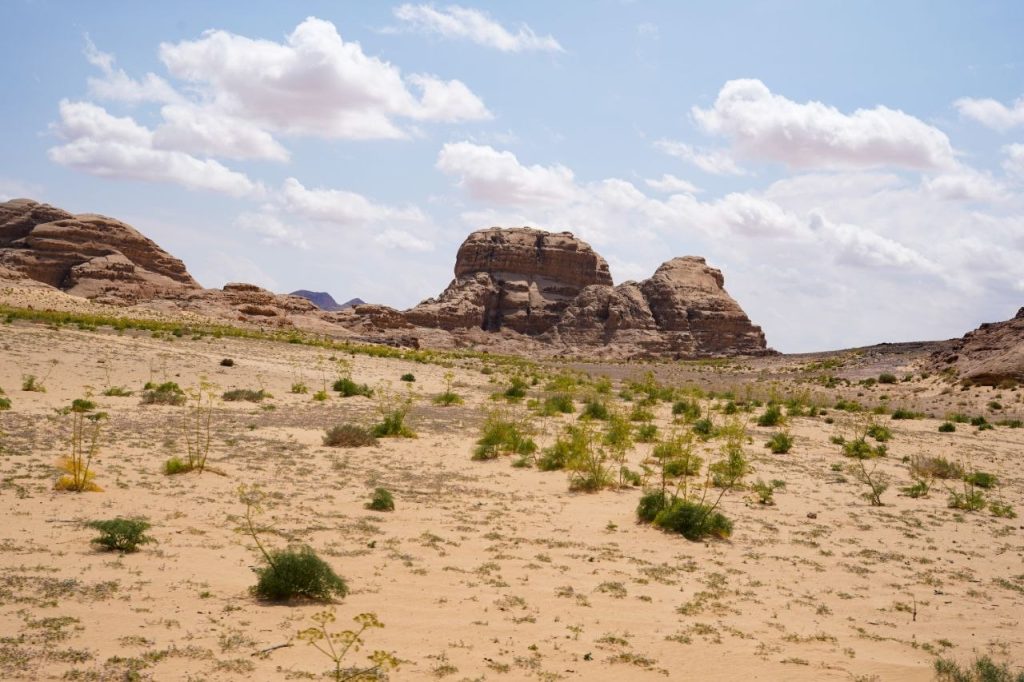
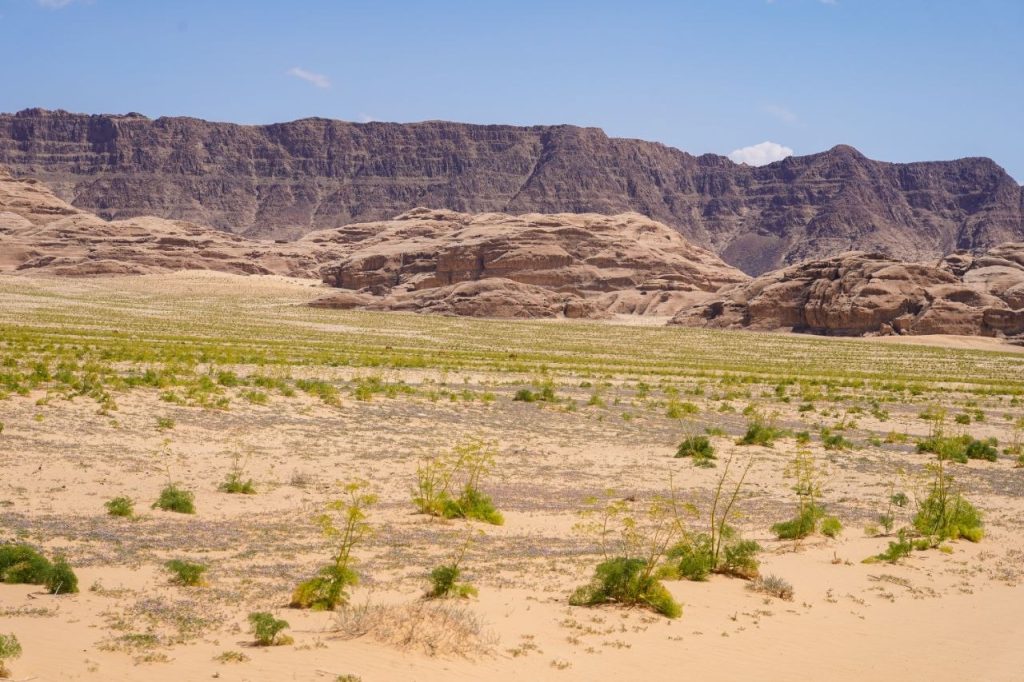
Things are growing.

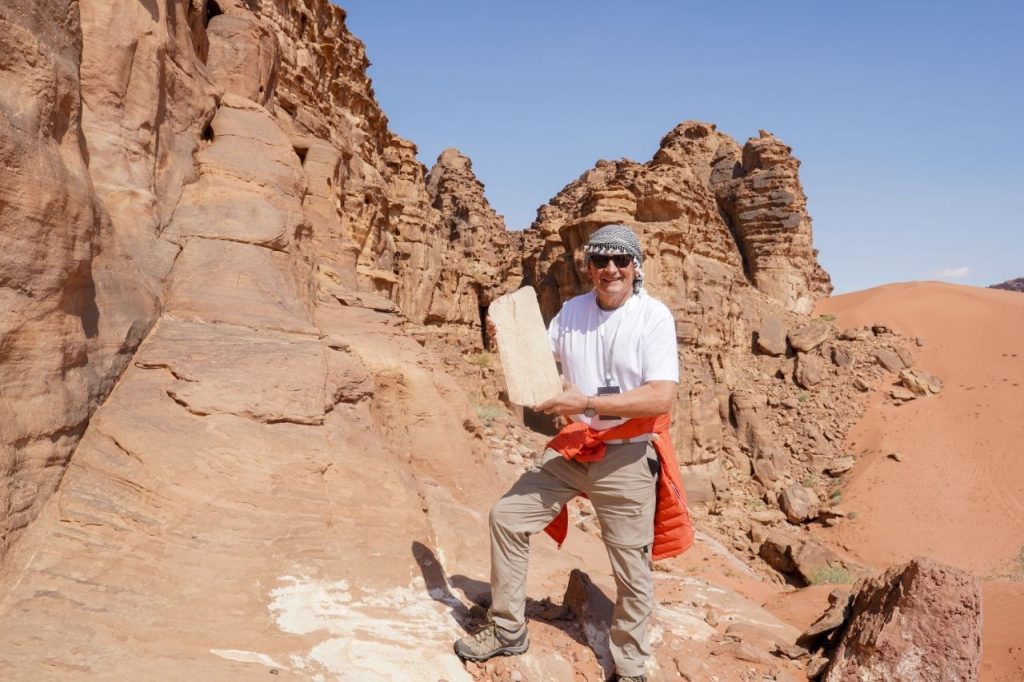
Edward found a tablet of stone. It’s blank.

Back down the dune to the trucks

Below the arch

Above the arch

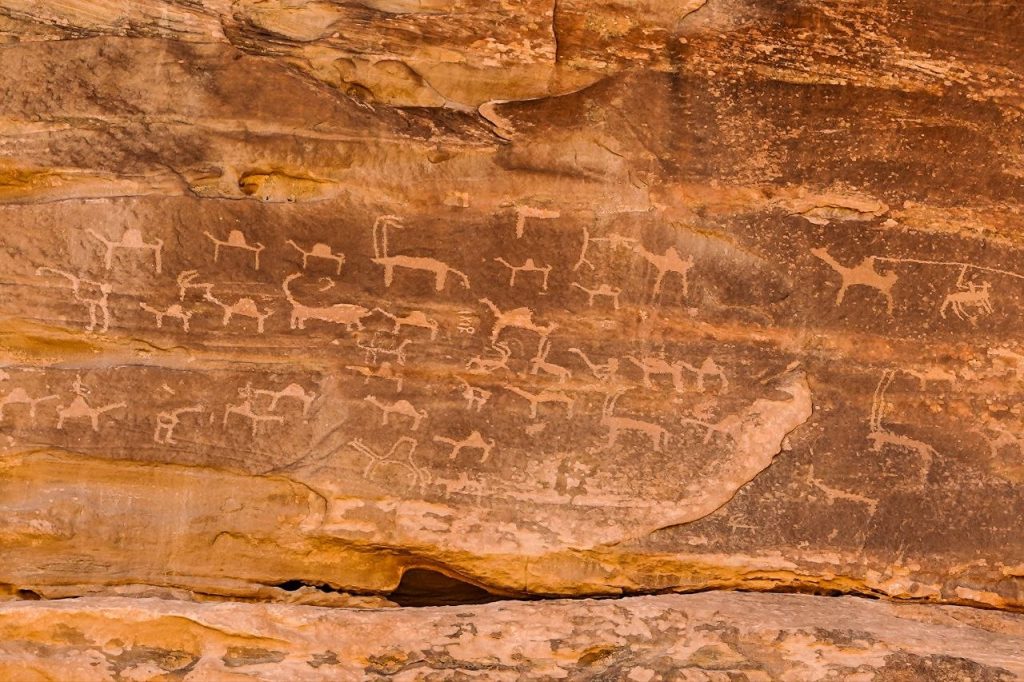
Petroglyphs

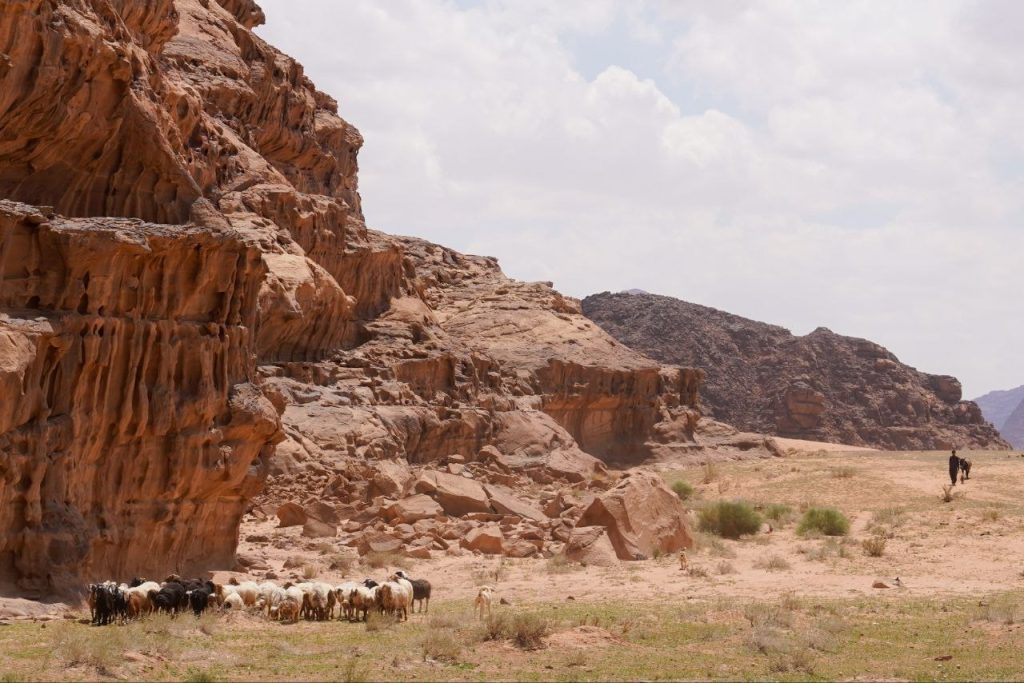
Shepherd and his sheep

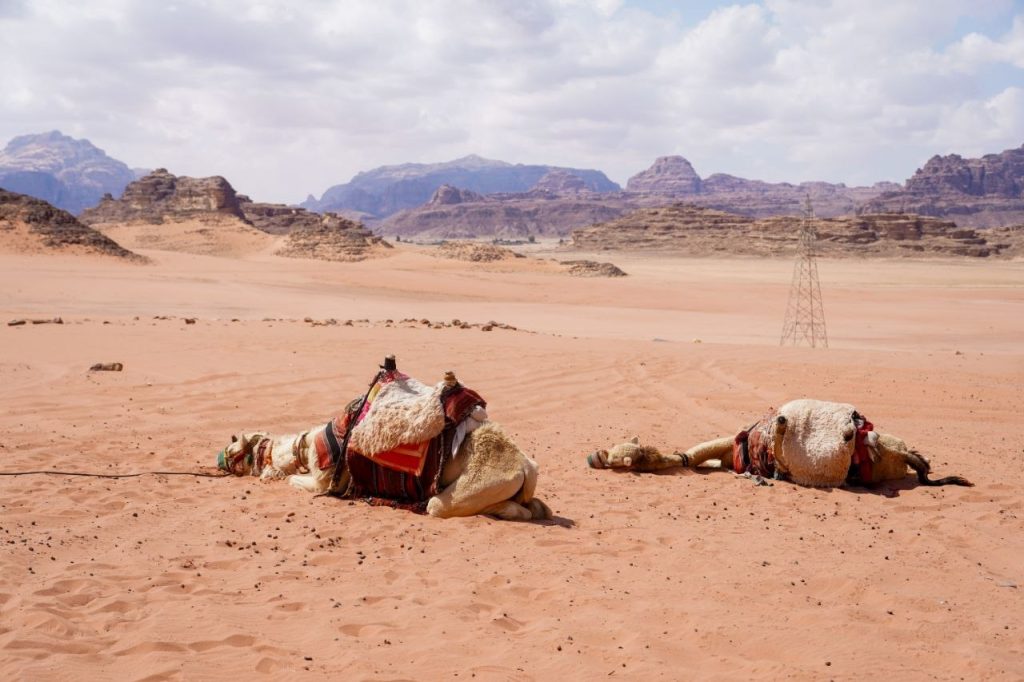
Nap time

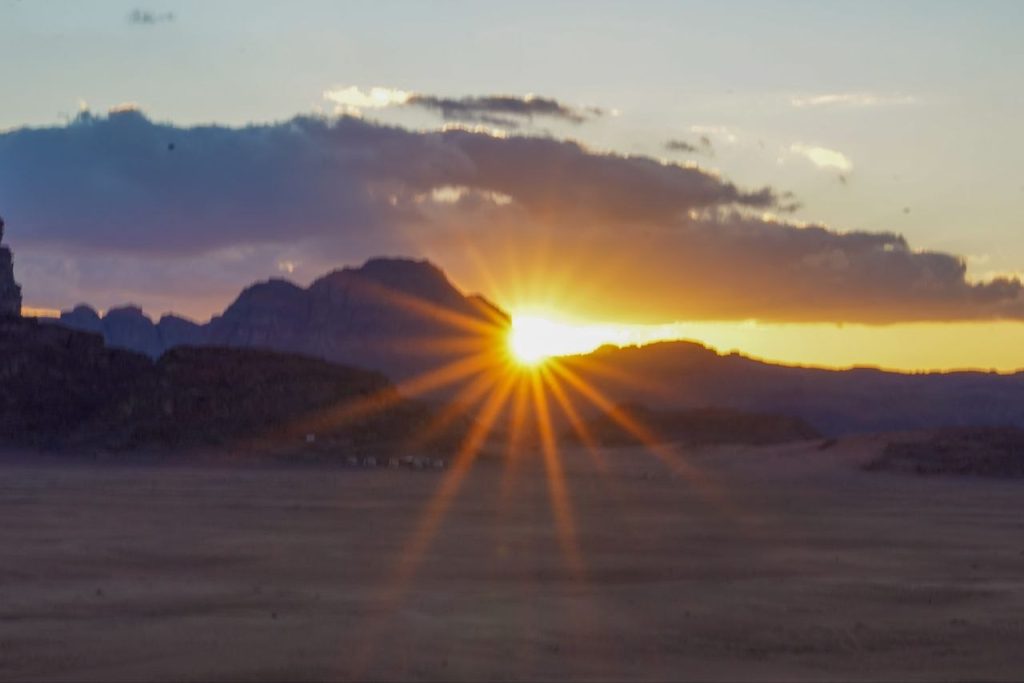
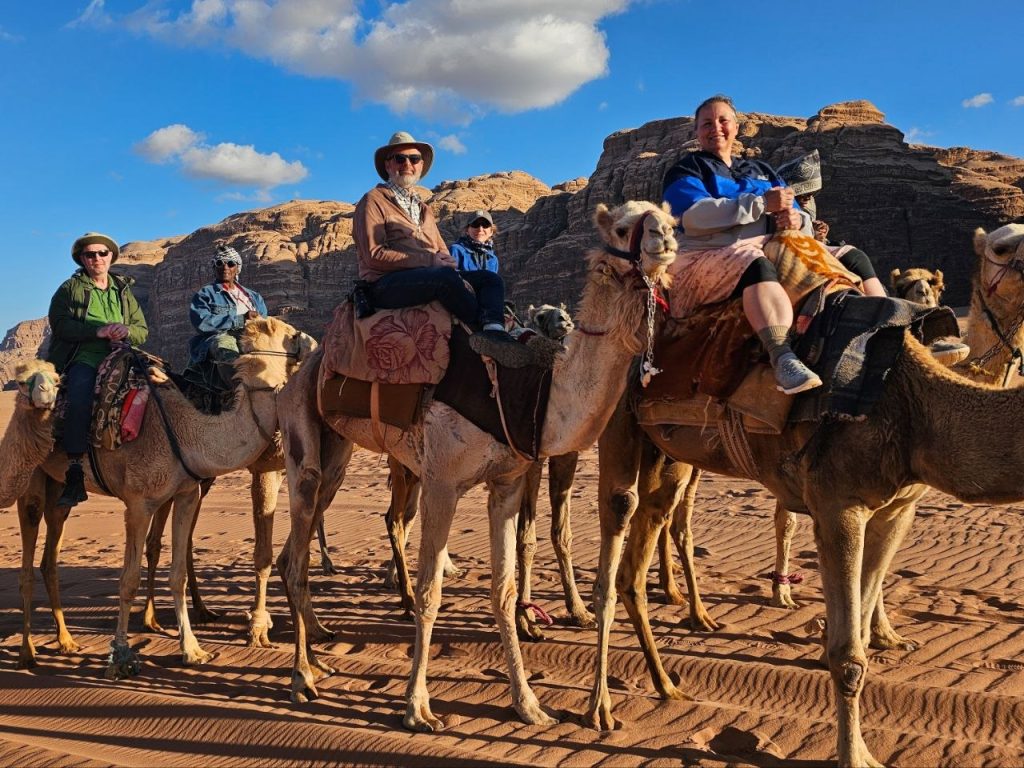
Camel ride at sunset

Categories
Moses and Egypt

Up Mount Sinai

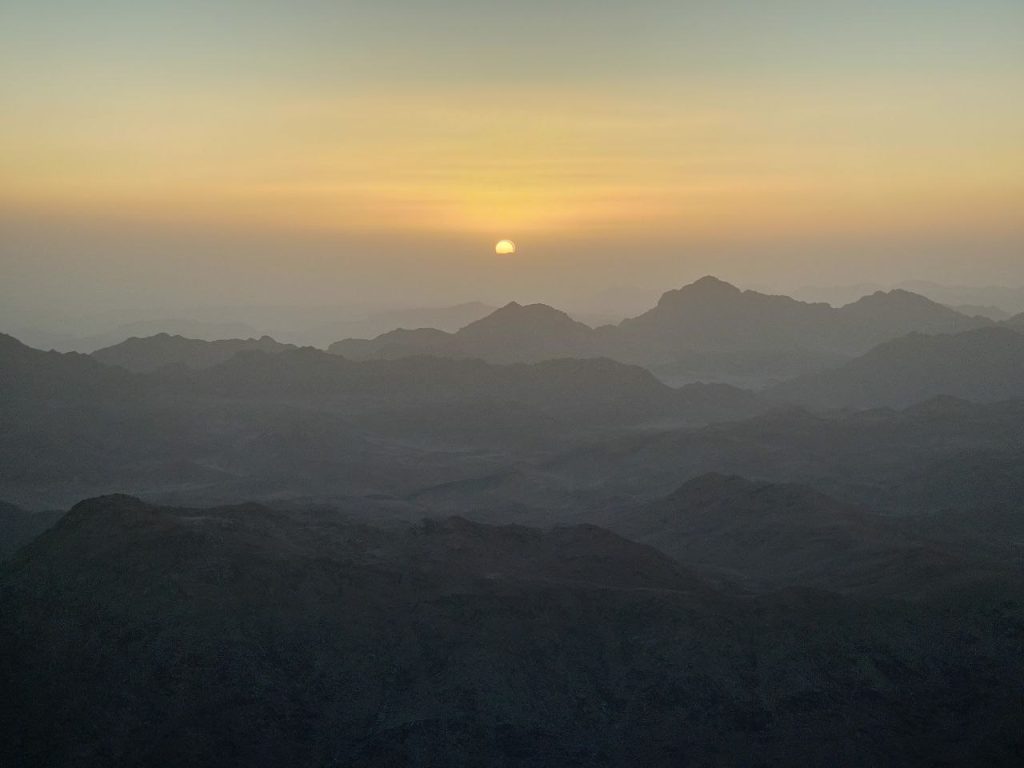
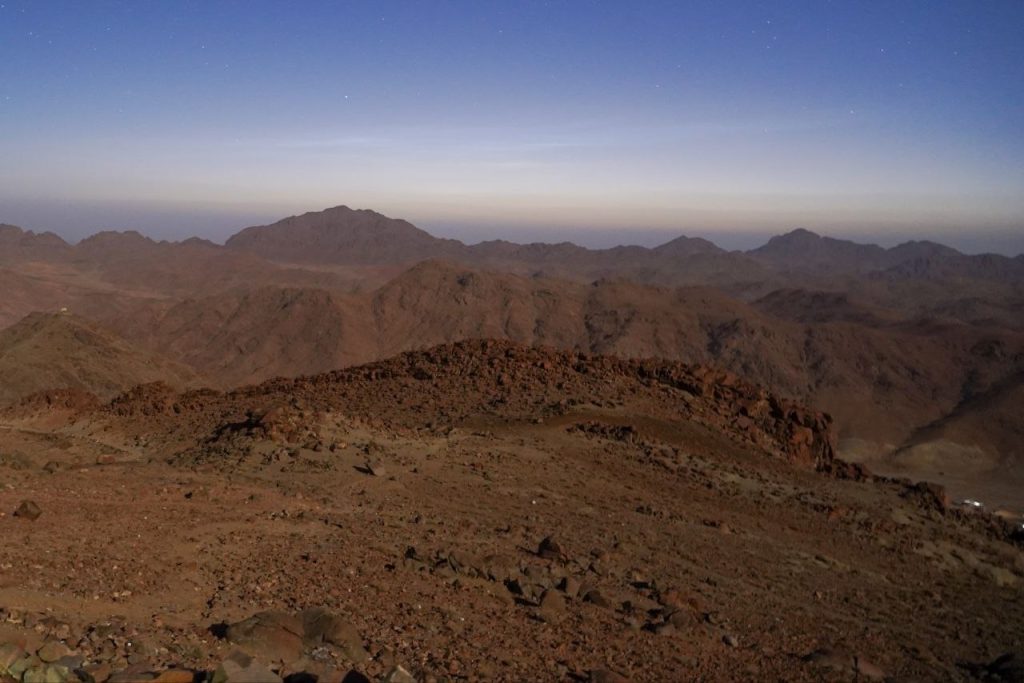
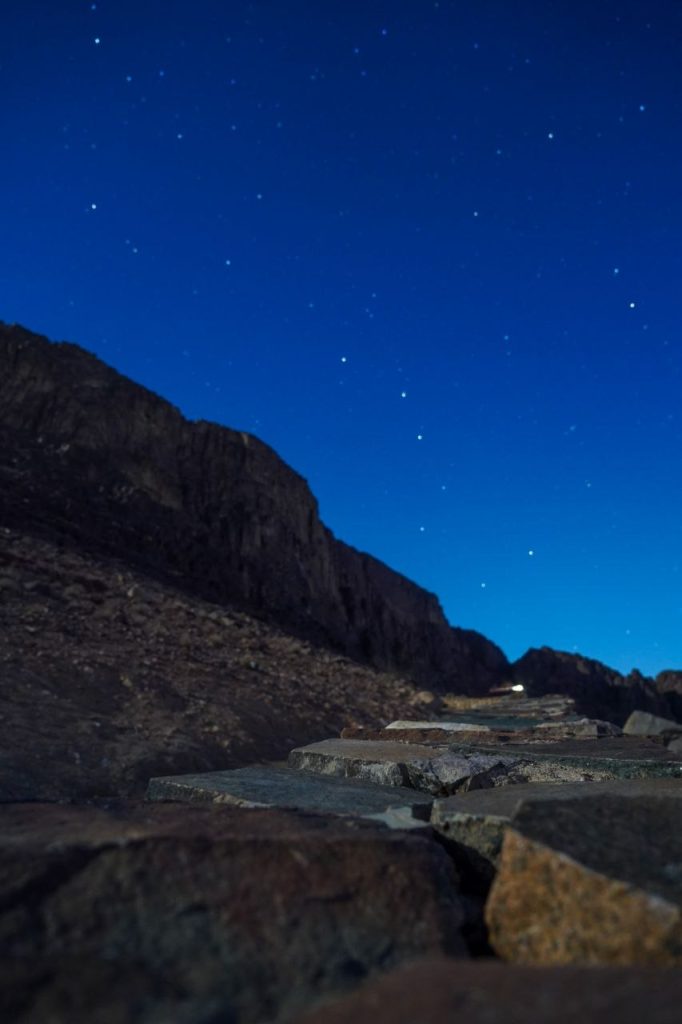
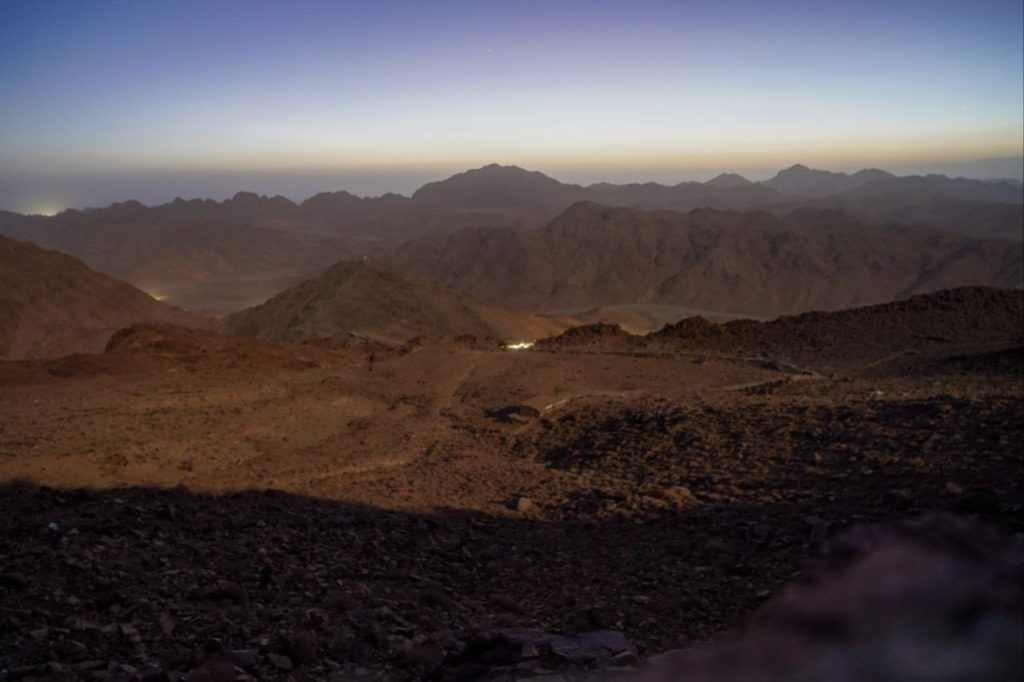
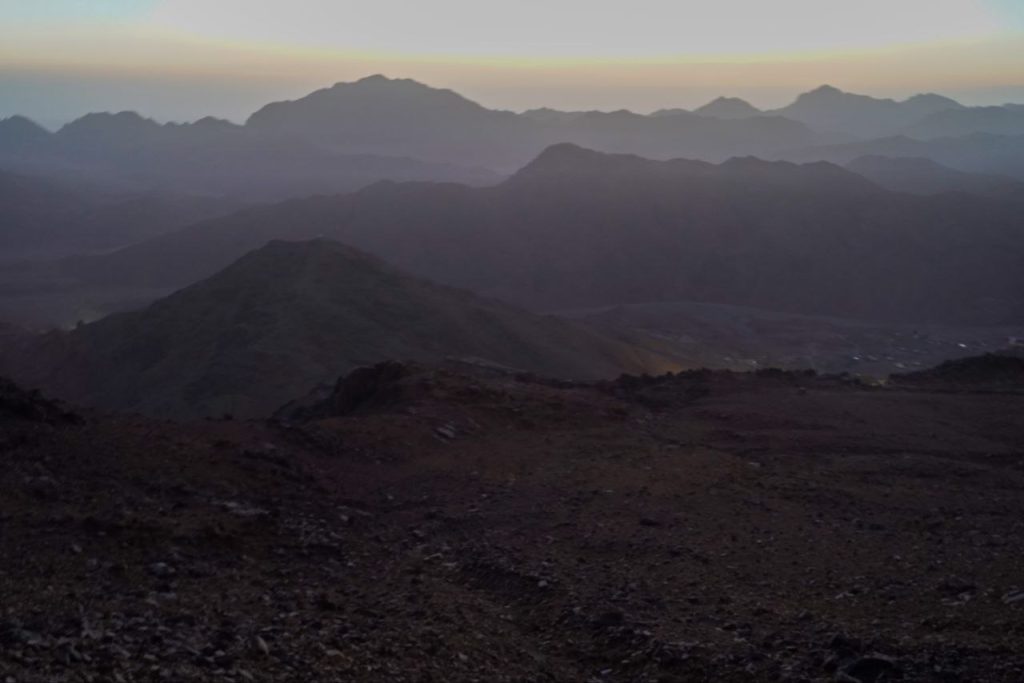
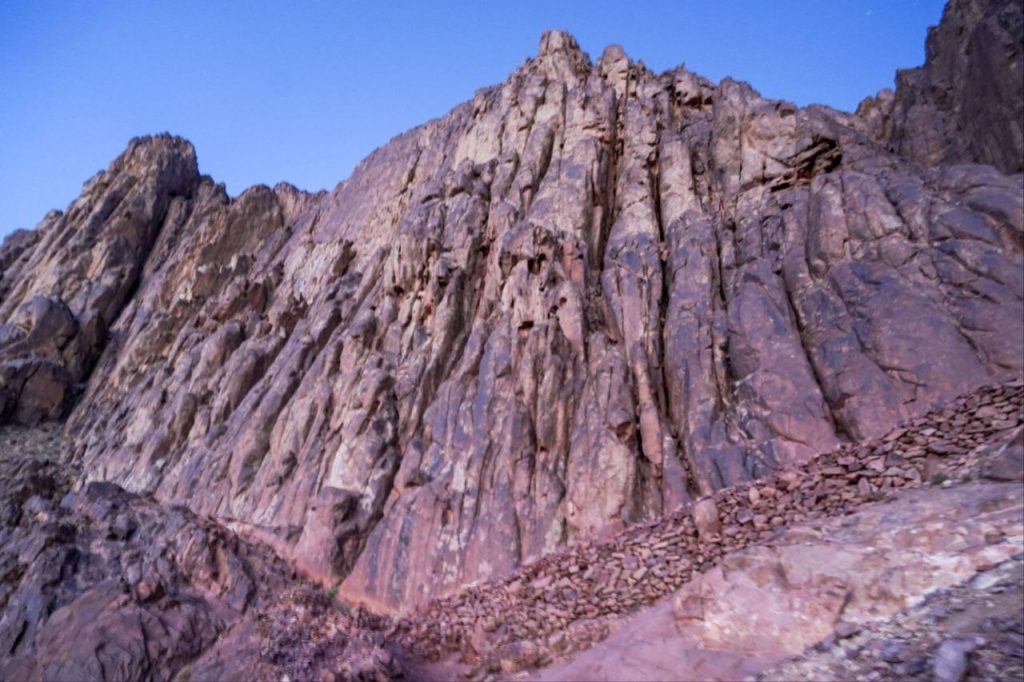
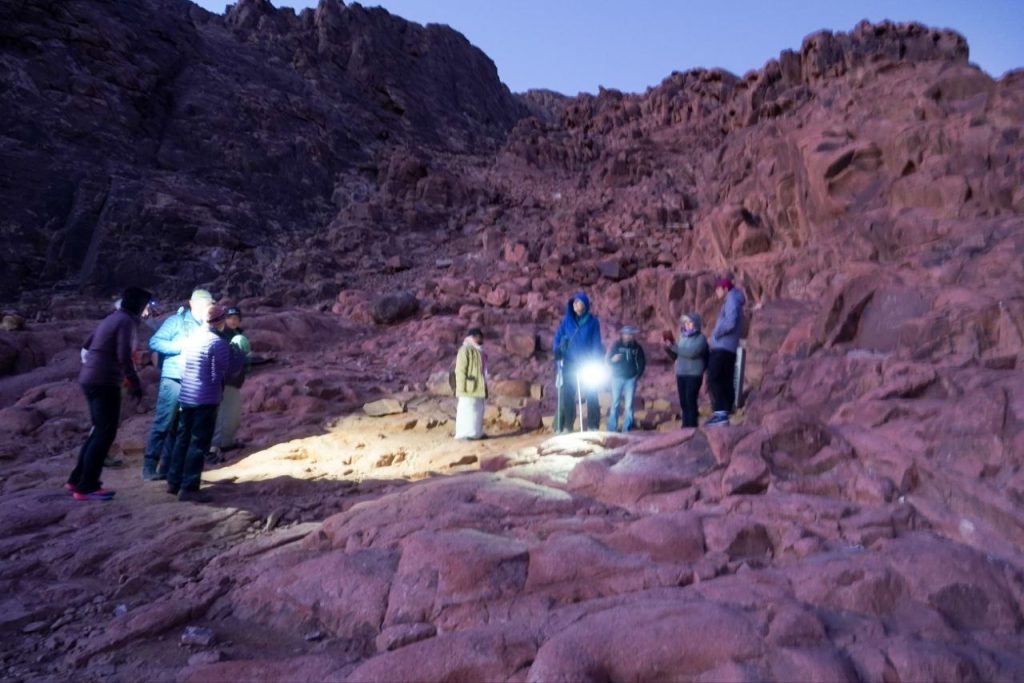
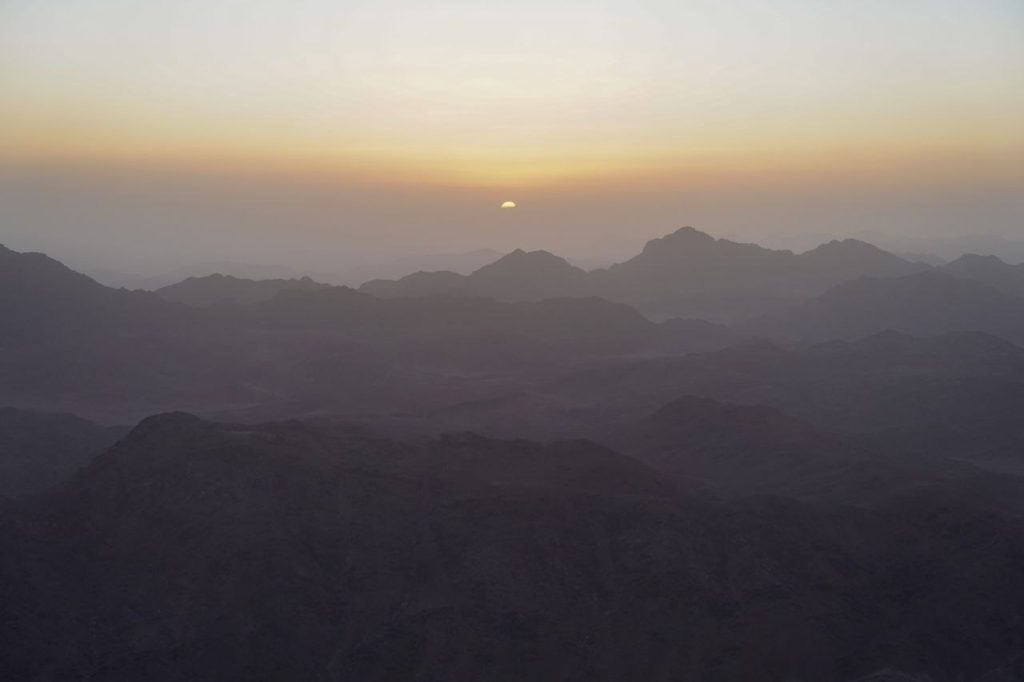
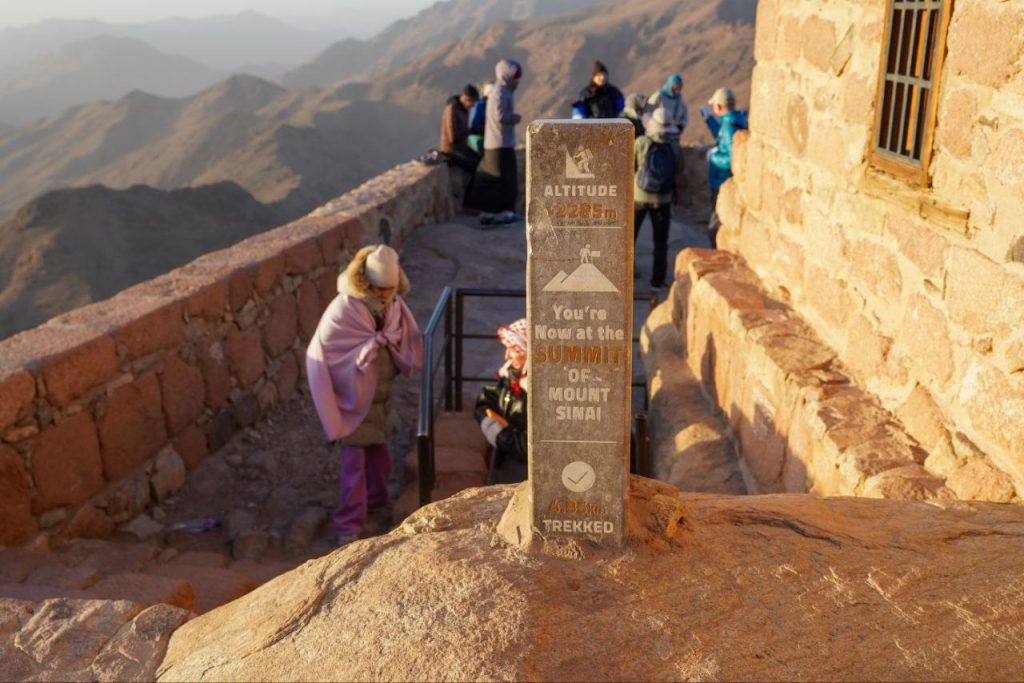
We climbed Mount Sinai to see the sunrise from the top. I’ll share some pics from the 4 mile hike with 2,500 feet ascent.

Made it!

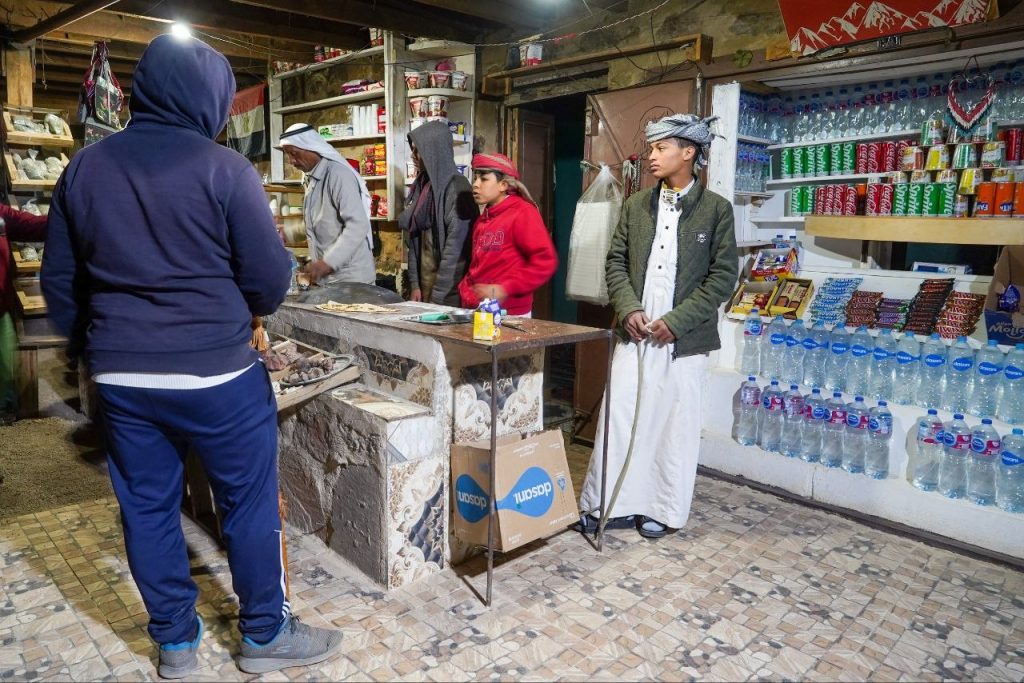
The cafes were not here for Moses. But we enjoyed the break from the climb.

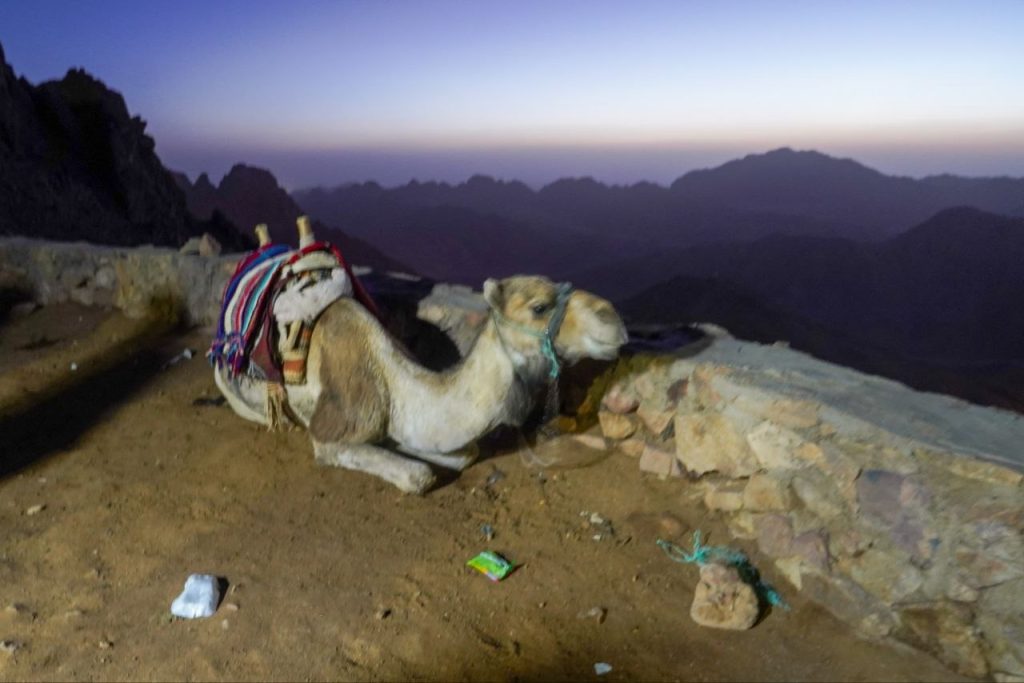
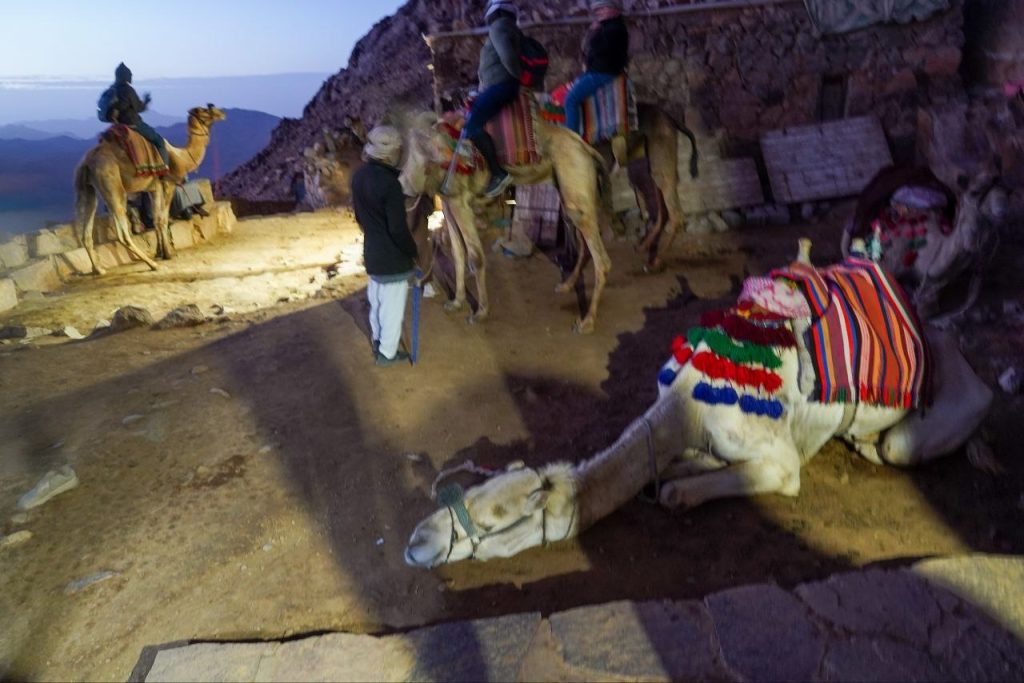
Some people rode camels. I chose to walk.

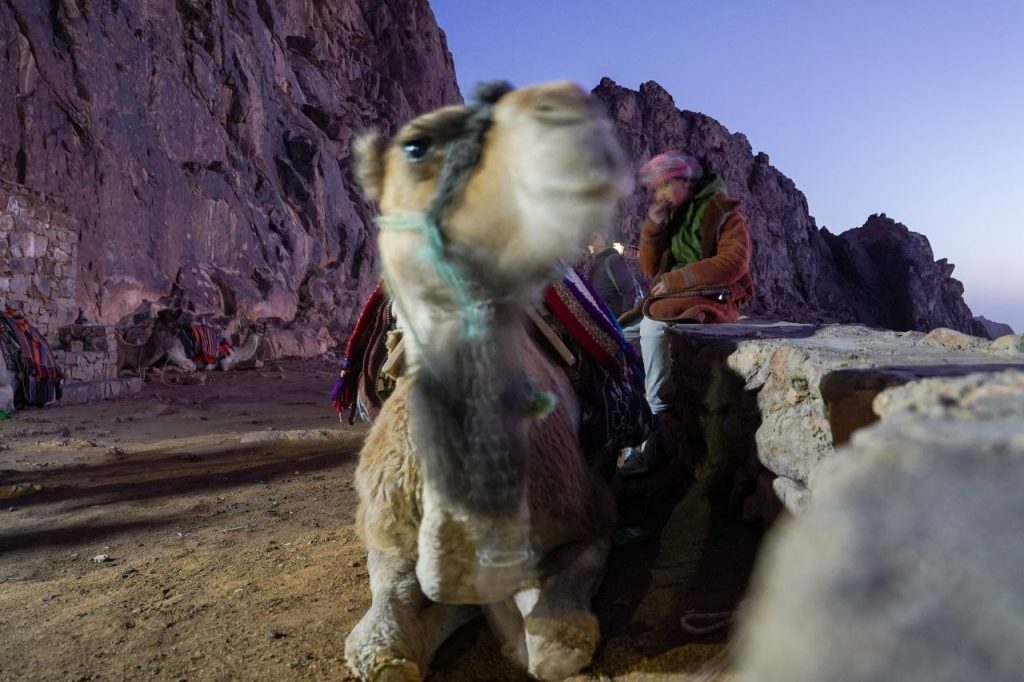
Nose to nose with a camel.

This camel has had enough.

Categories
Moses and Egypt

Under the Suez to the Sinai

April 5 – Our teacher, Dr Randall Smith, started our day with a comparison of Moses and Jesus. He wrote it last night at 3 AM when he couldn’t sleep. We’re in Egypt, studying about Moses and the Passover. Today is Easter, so we think of Jesus and His resurrection. There are many parallels between Moses and Jeses. Both came after centuries of silence. Both fed multitudes of people, sent twelve, brought a message from God on a mountain, miracles with water, deliverance through blood, the king was killing babies when they were born, and on and on.

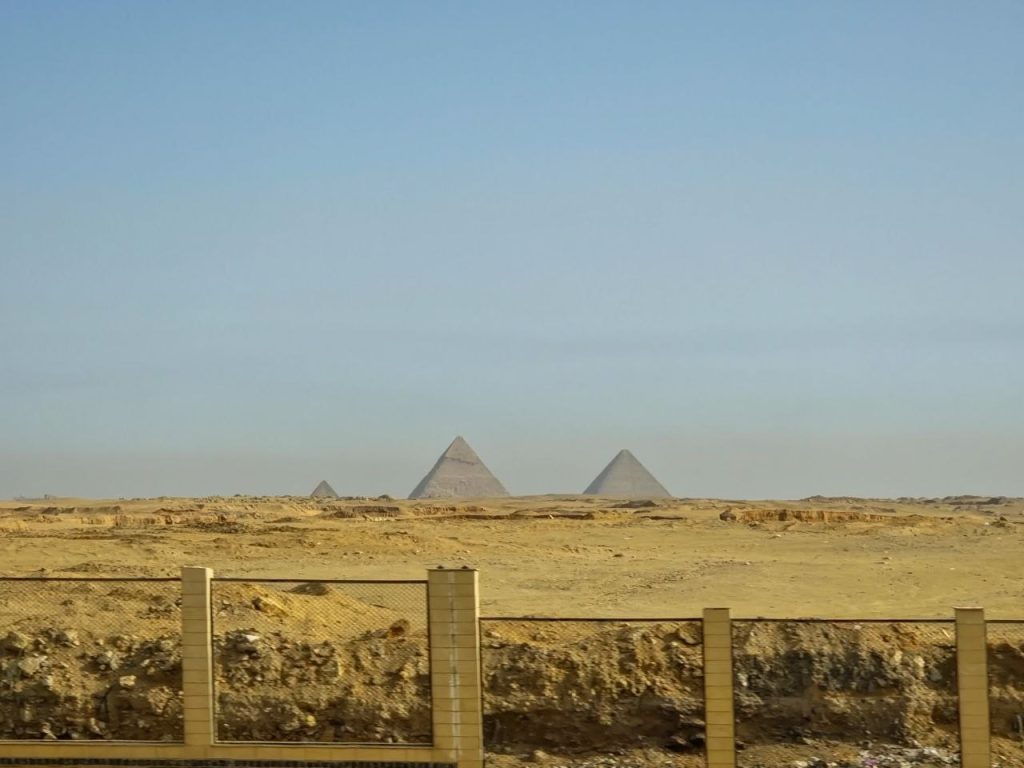
We’re leaving the Cairo/Giza area and driving toward Sinai. We got one last glimpse of the pyramids from the highway.

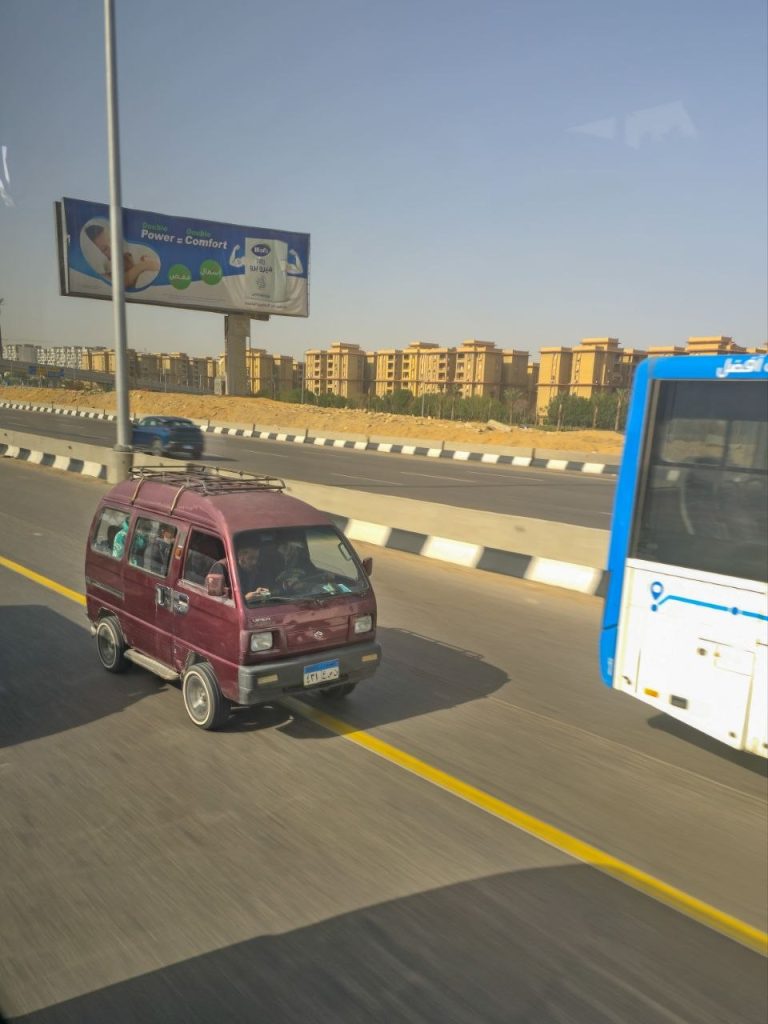
We see these miniature vans.

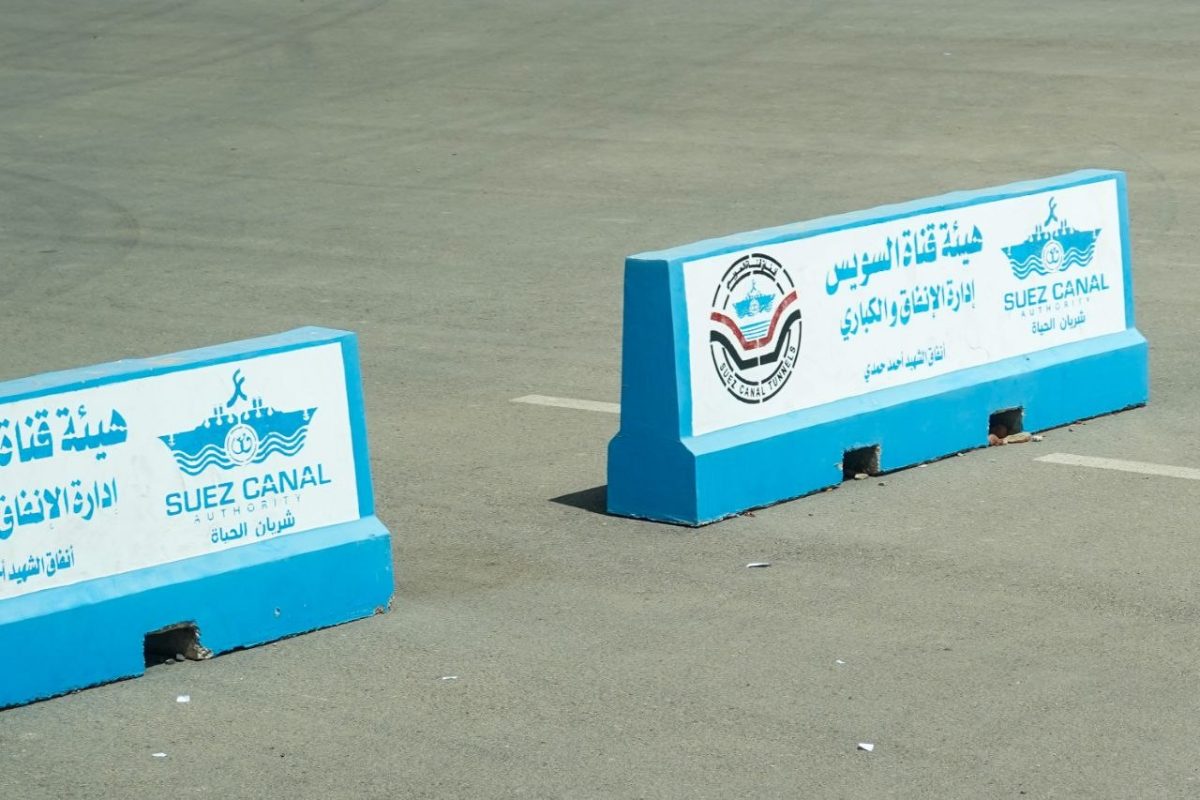
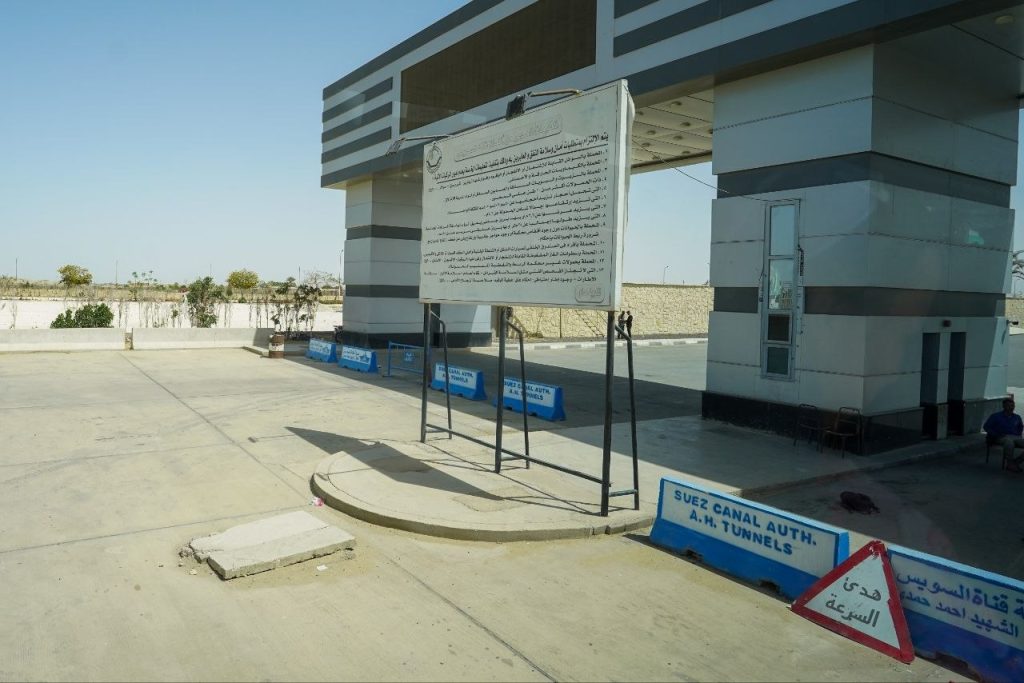
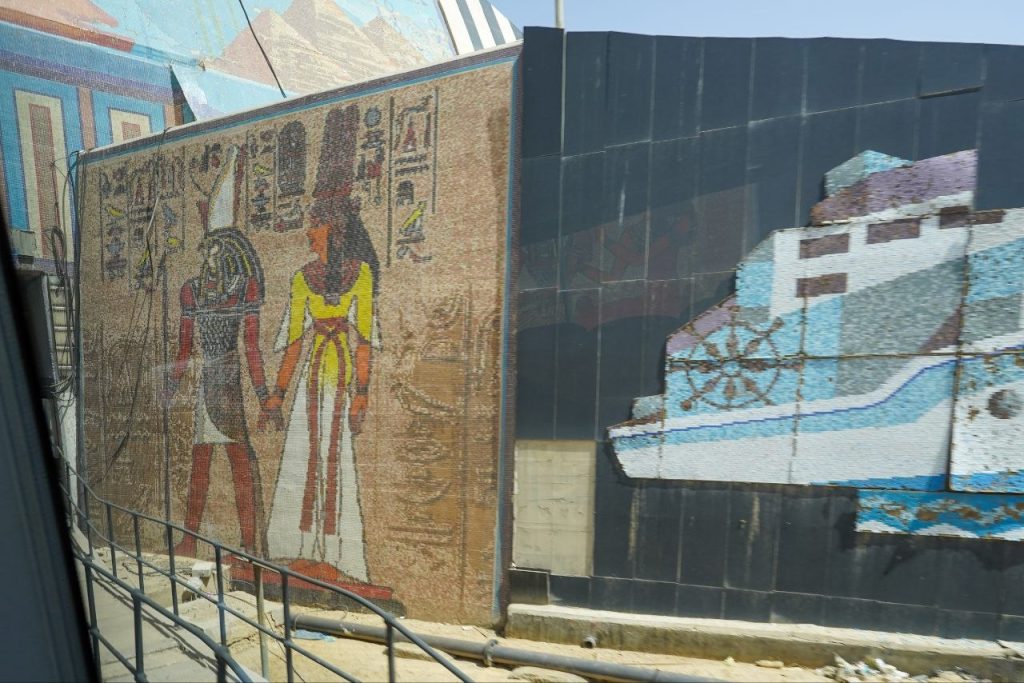
We crossed under the Suez Canal in a tunnel.

We crossed from Africa to the continent of Asia. During the crossing, Randy spoke on Exodus 14 and the Israelites’ crossing.

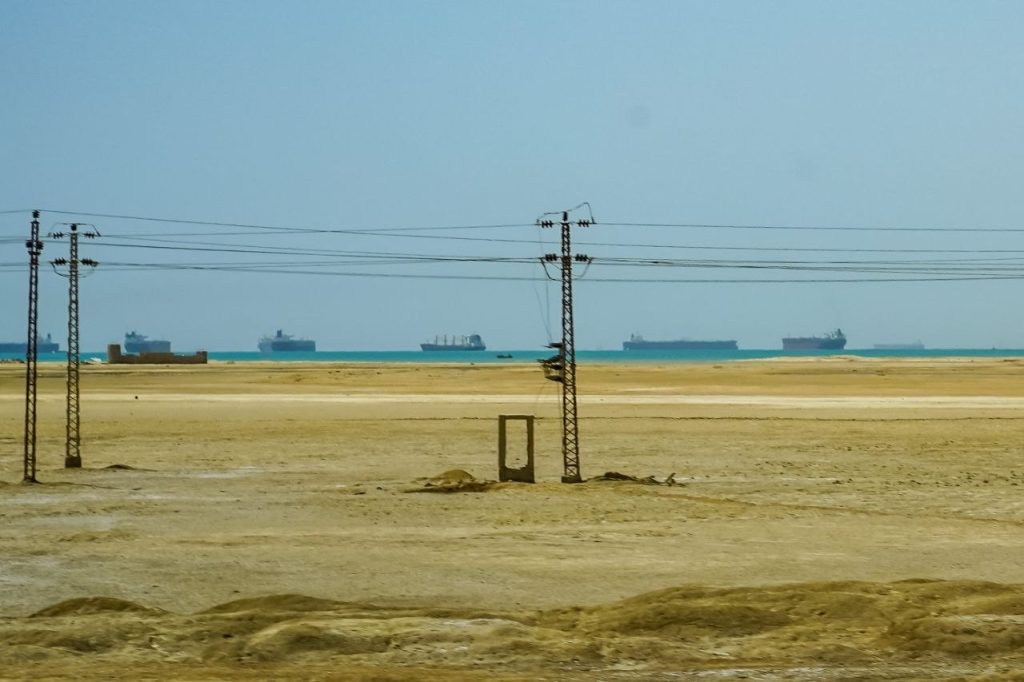
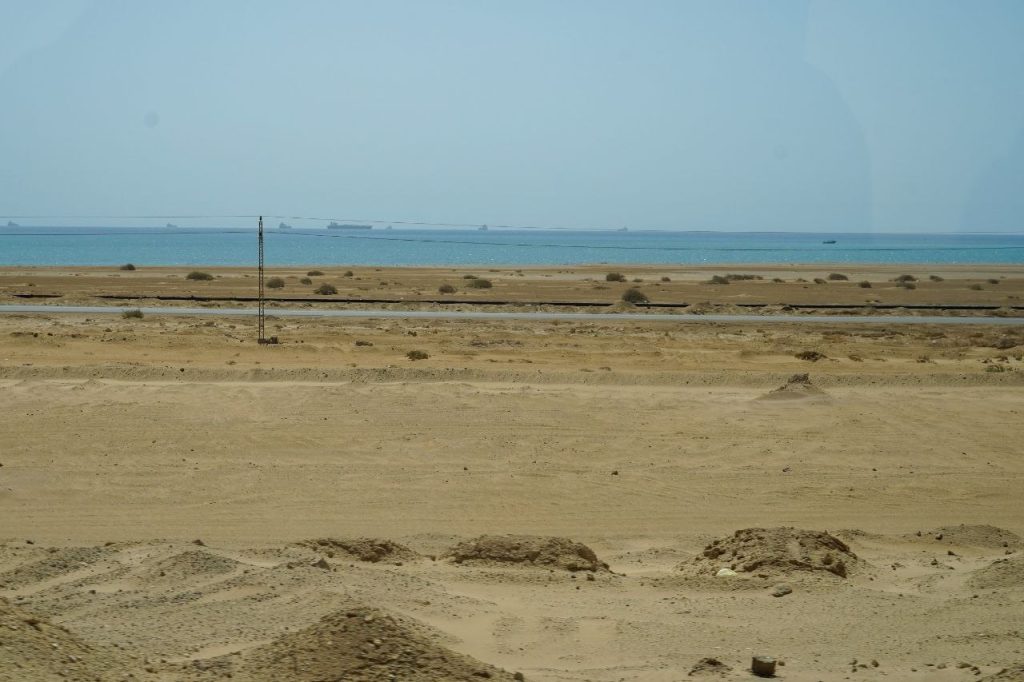
There are ships waiting to go through the canal. Not as many as usual because of the Hormuz Strait closure.

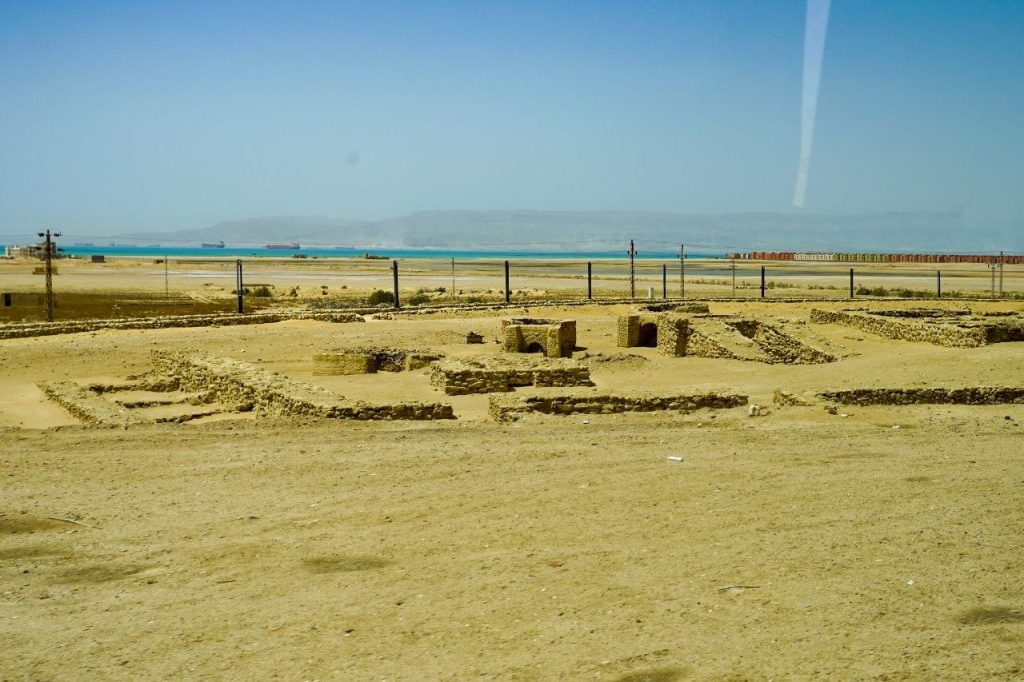
Some ruins I caught near Ayun Musa – Springs of Moses

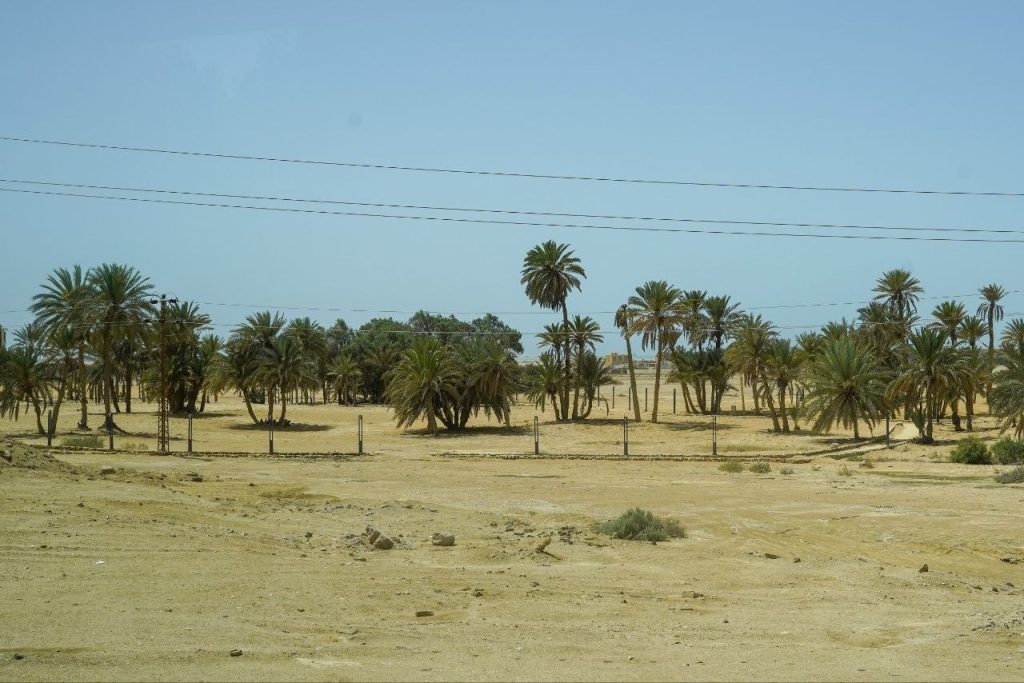
“Seventy palm trees and twelve wells of water”

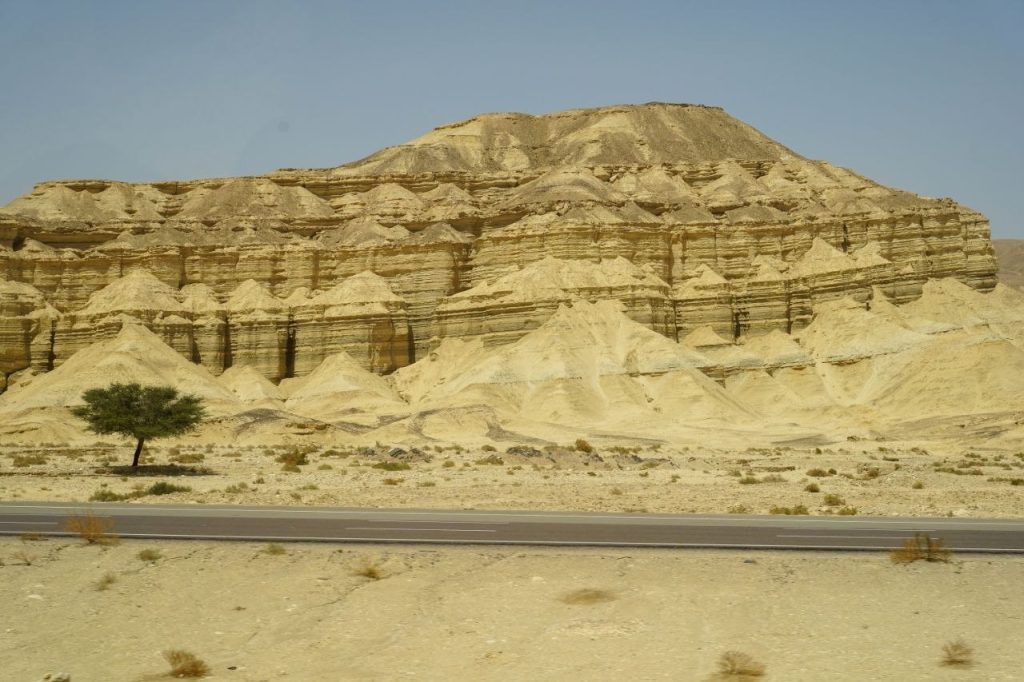
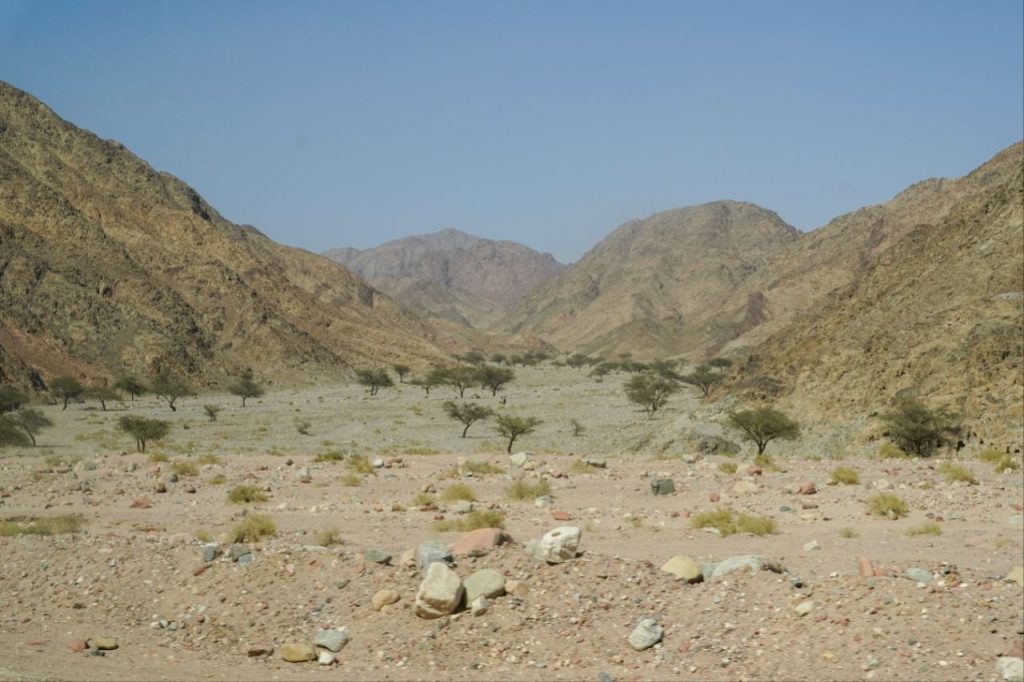
As we traveled south into the Sinai Peninsula we saw rugged wilderness and acacia trees.

Sometimes we could see the Gulf of Suez.

More acacias, but not as big as the ones in Saudi Arabia. Randy said the Saudis started protecting them sooner. They are very slow growing and take 300 years to get really large. The tabernacle boards had to be glued together. He said the sap of the acacia can be boiled down to make a very strong glue.

The roads are good. The military builds roads. This Roman arrangement works well.

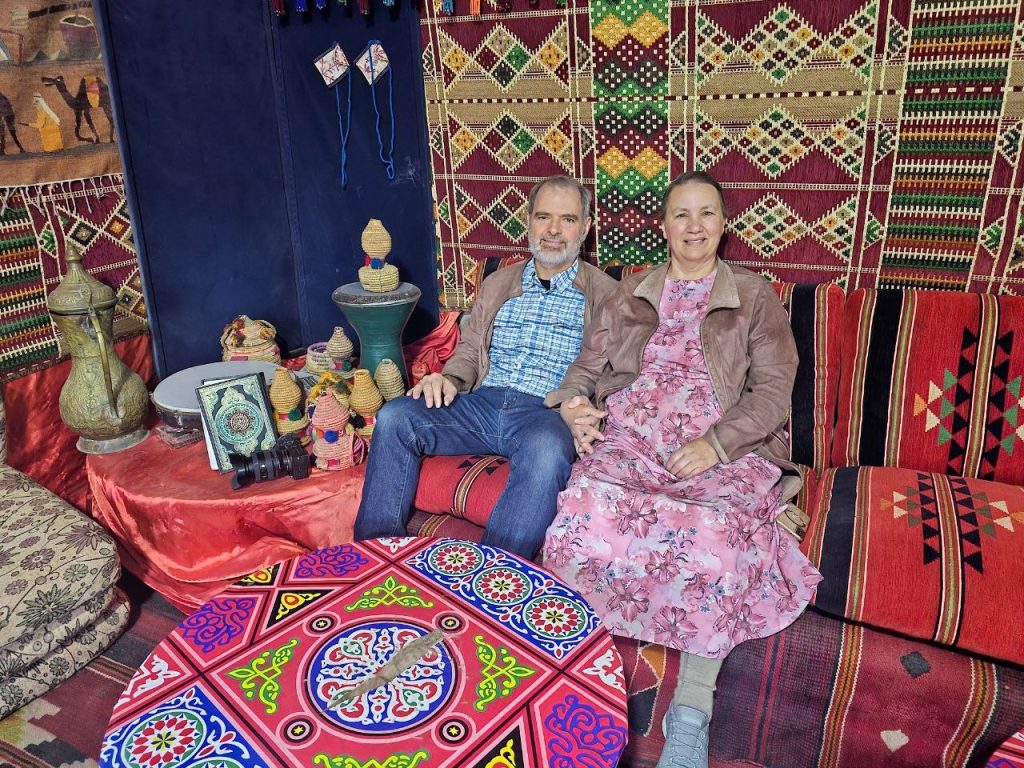
And we’re in a Bedouin tent.

Ready to climb that mountain…

Categories
Moses and Egypt

Pyramids and Camels

April 4, 2026

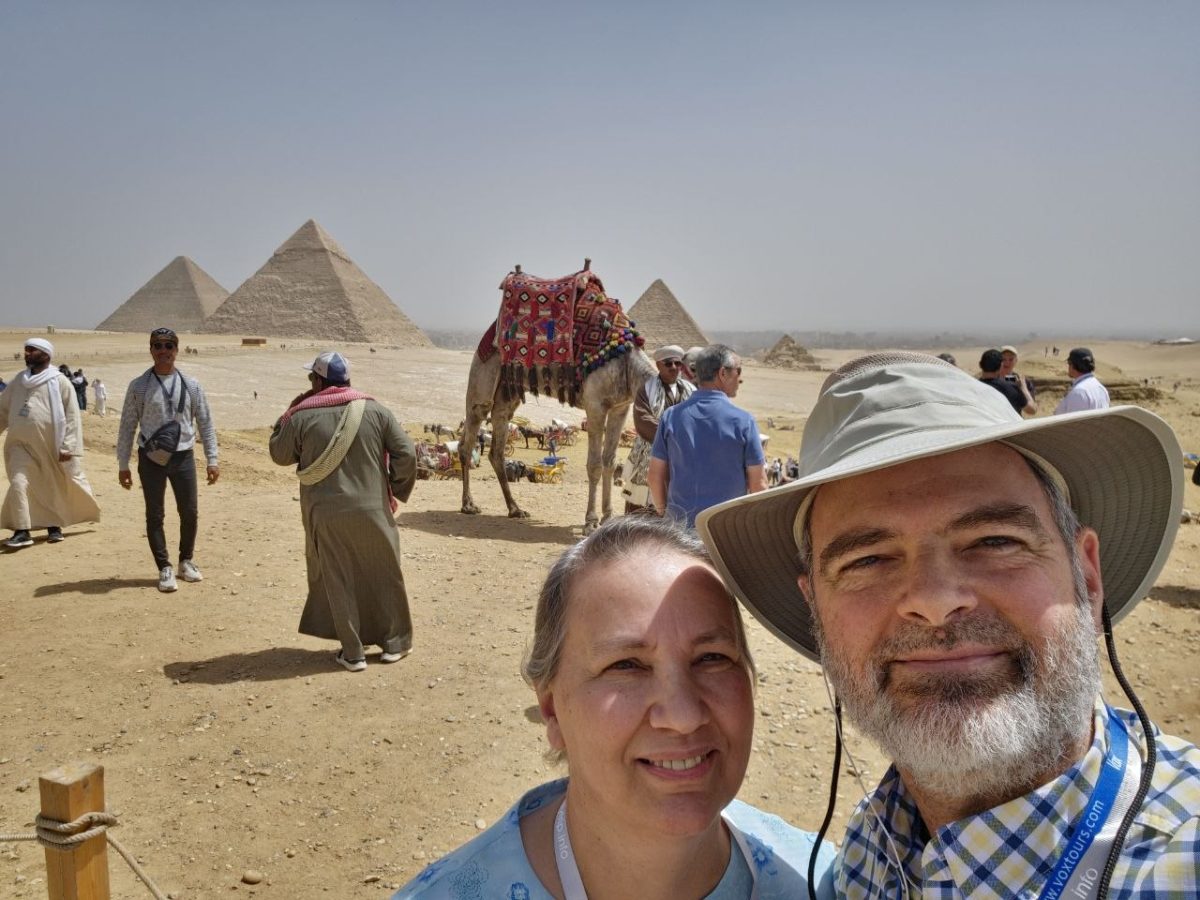
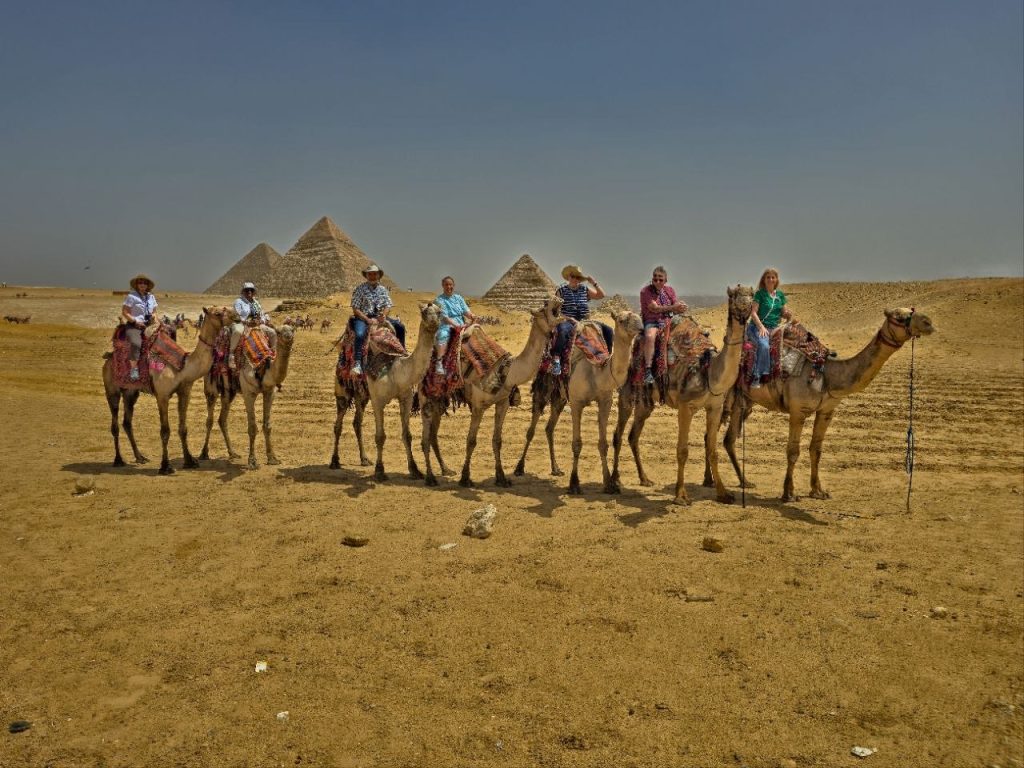
Some of us did a short camel ride before visiting the pyramids.

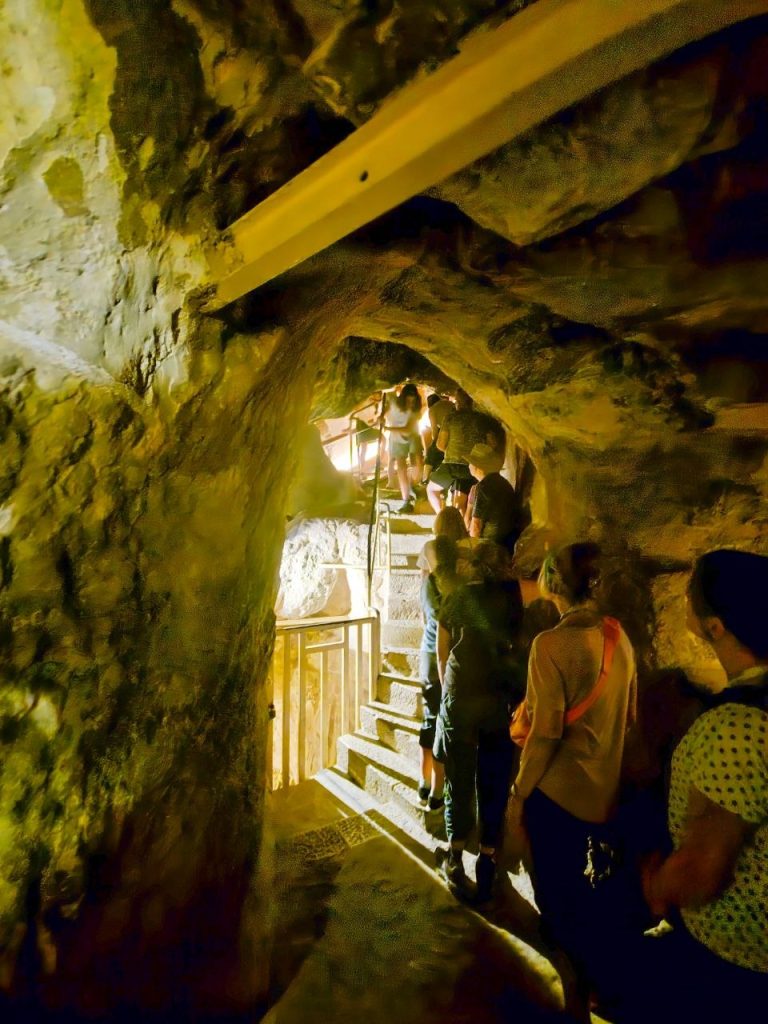
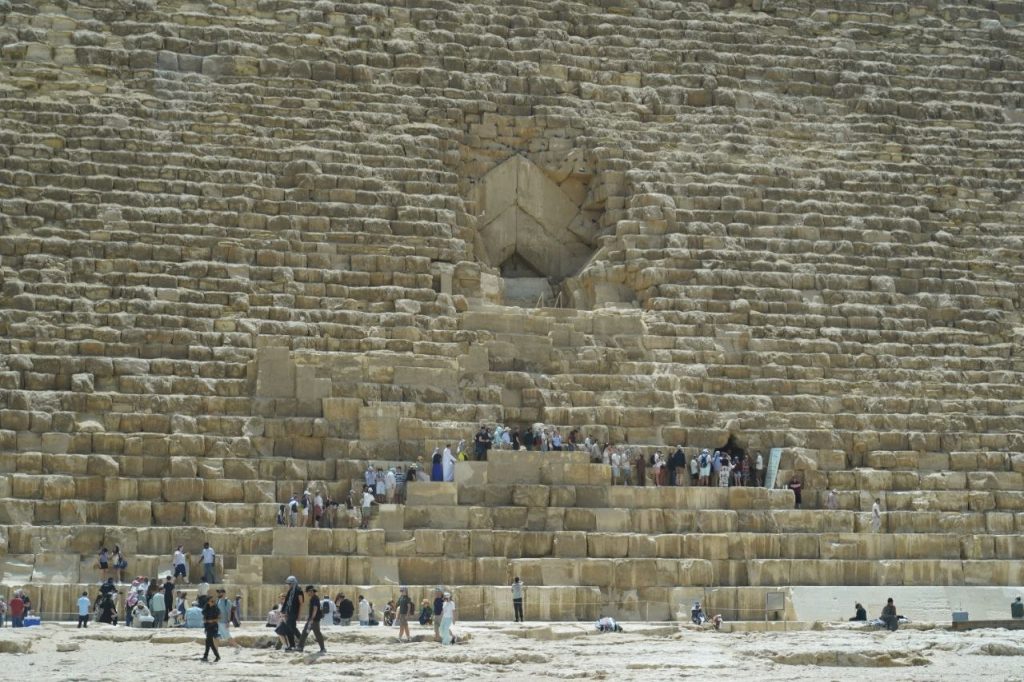
Entering the Great Pyramid of Giza, tomb of Pharaoh Khufu.

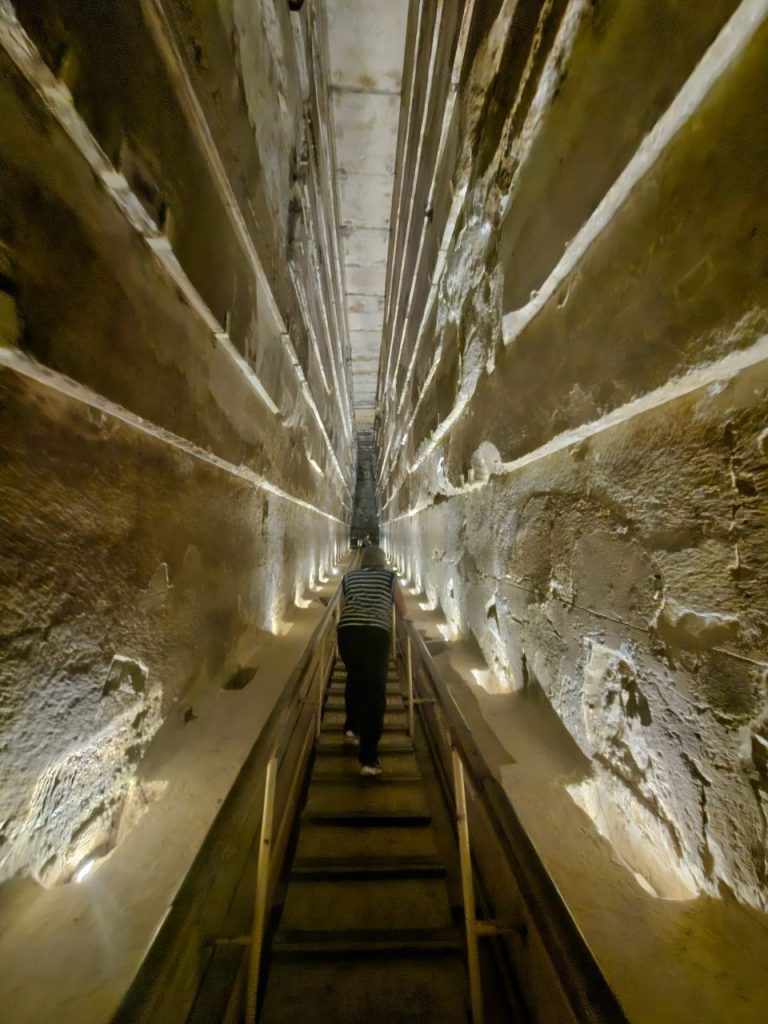
It’s quite a climb, with steep ramps, narrow tunnels, and little ventilation.

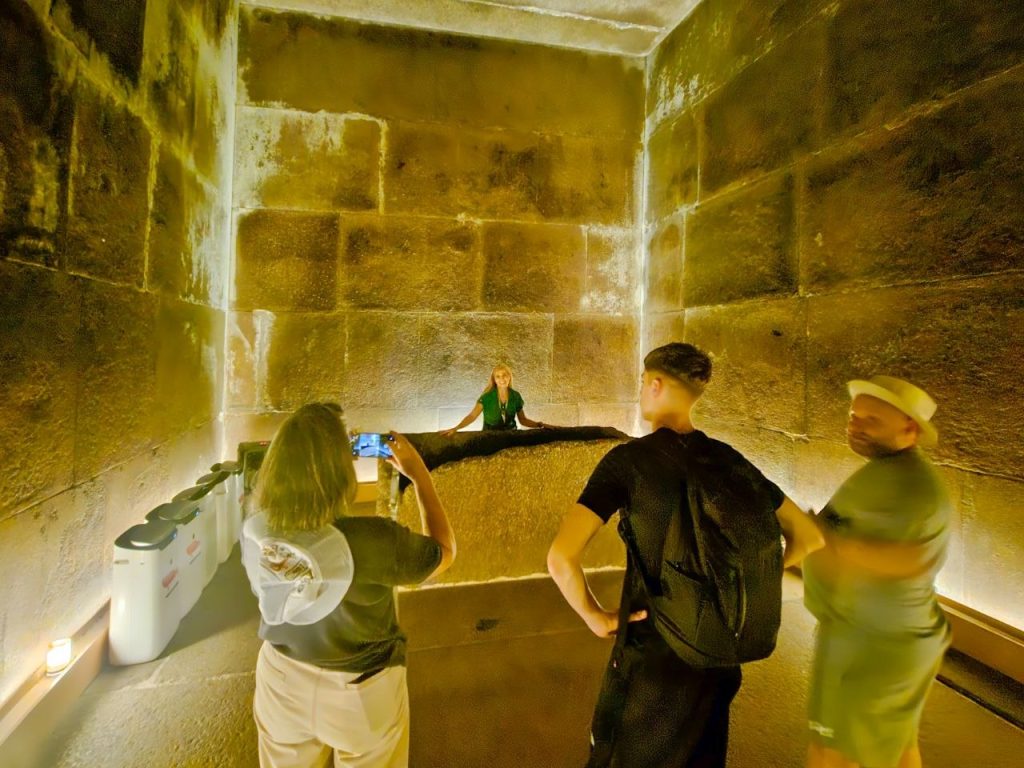
Inside the burial chamber.

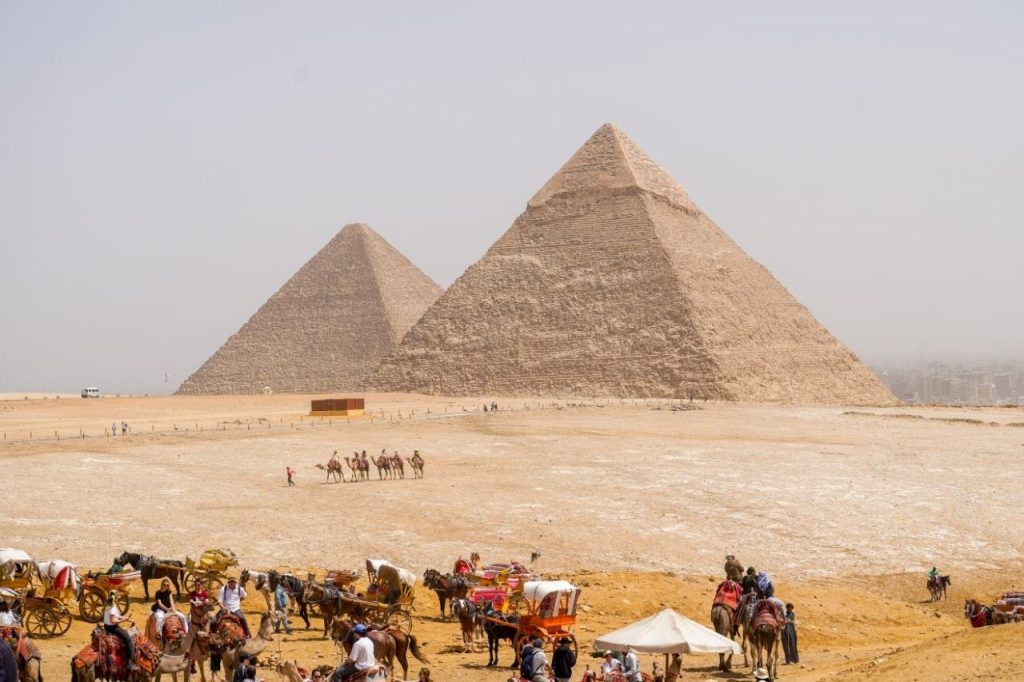
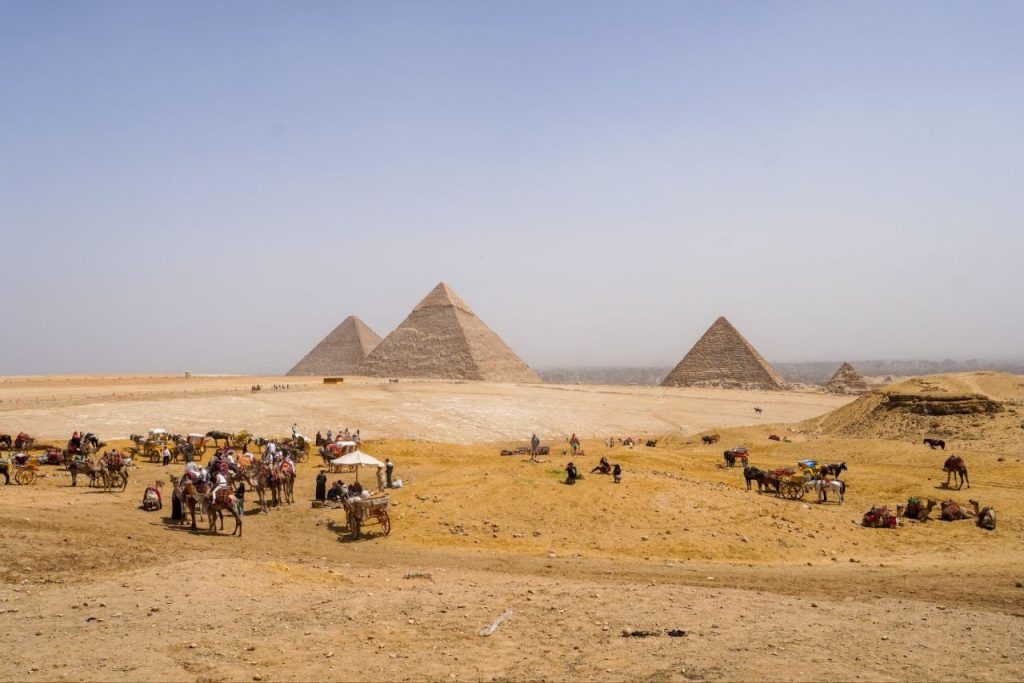
The three pyramids are arranged like the stars in Orion’s belt.

The original entrance is not usable. There is another opening lower on the face of the pyramid.

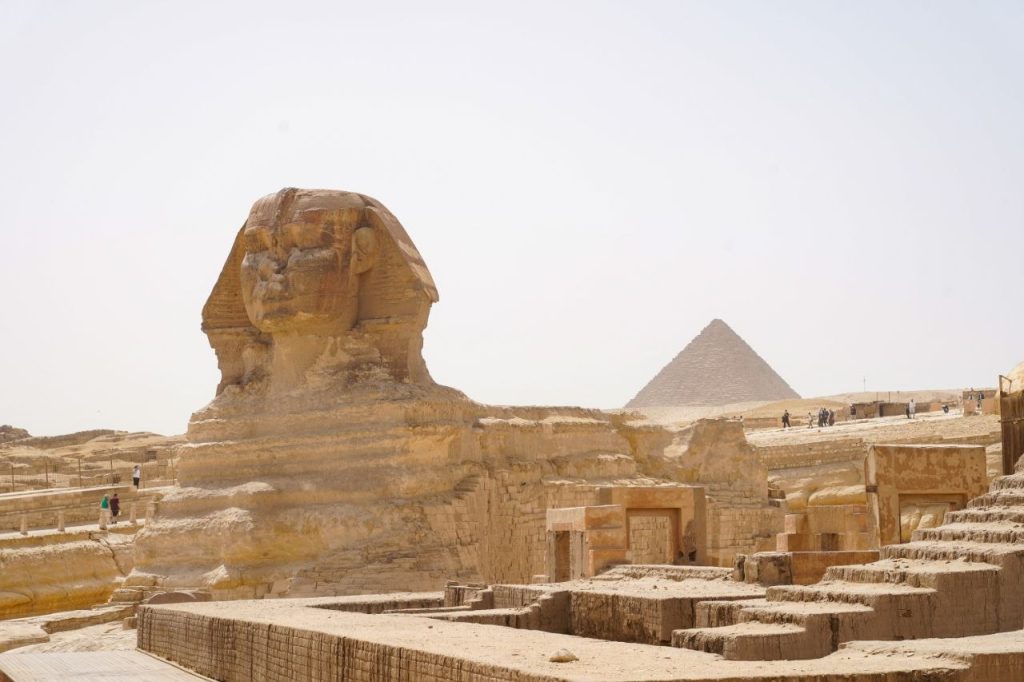
The Sphinx was buried in the sand for centuries.

Categories
Moses and Egypt

To Cairo, Egypt

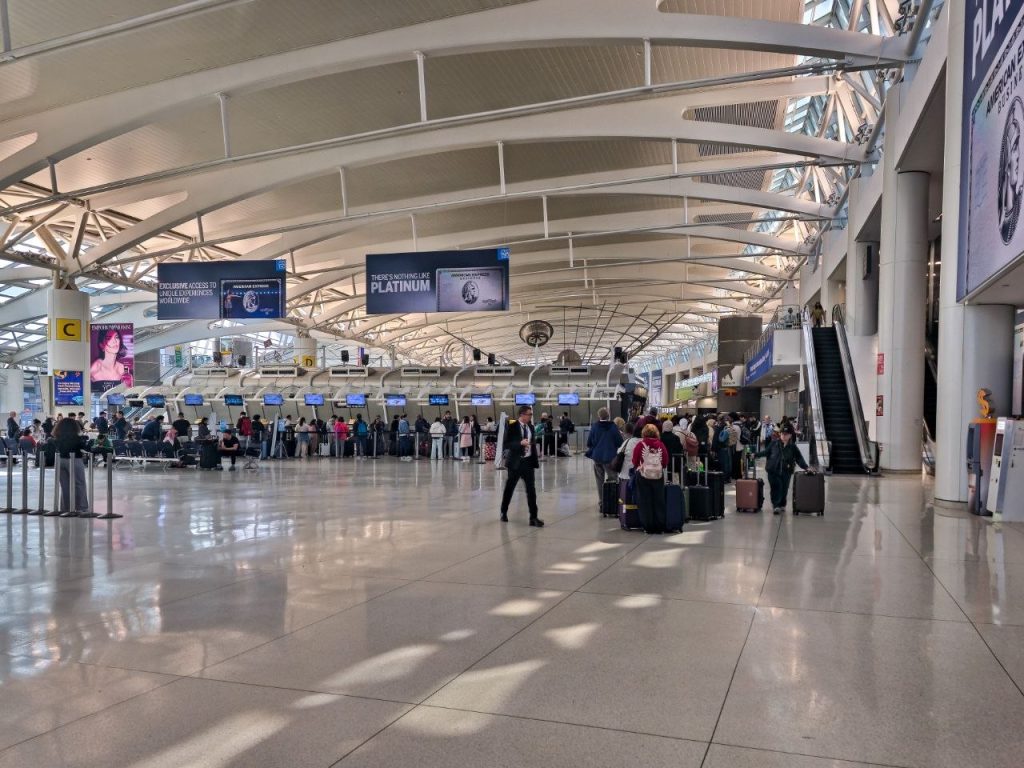
April 1–We drove to JFK this morning. Flying to Istanbul, then Cairo, God willing. We are joining a Life of Moses study trip.

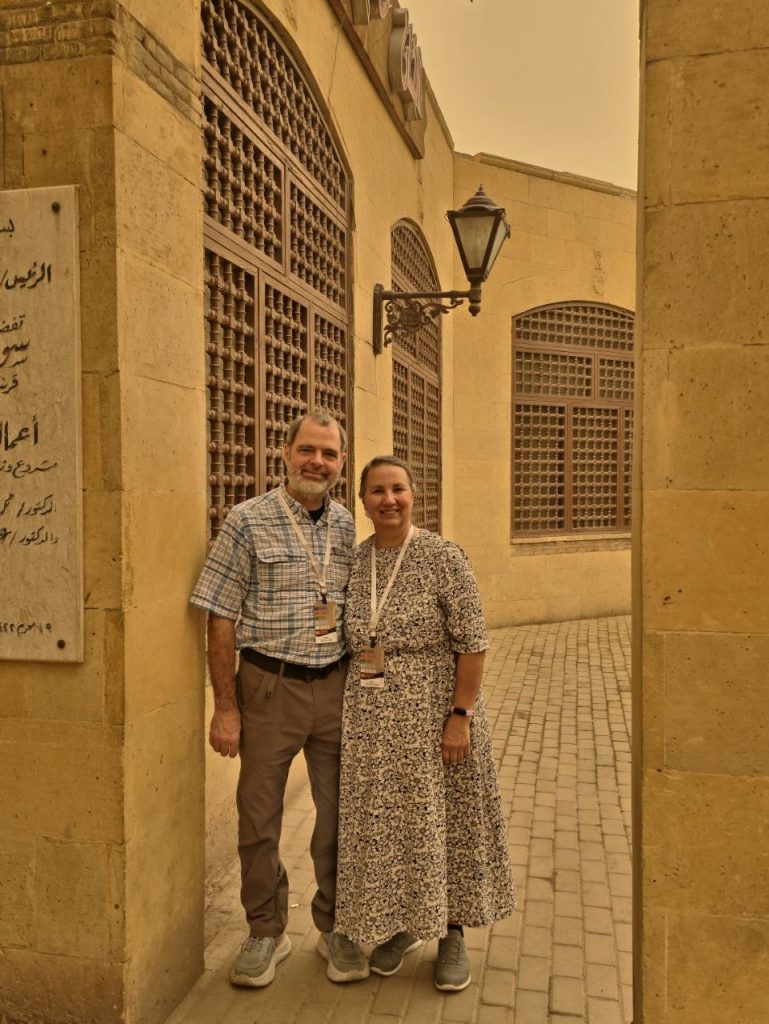
April 2–We’re touring Old Cairo.

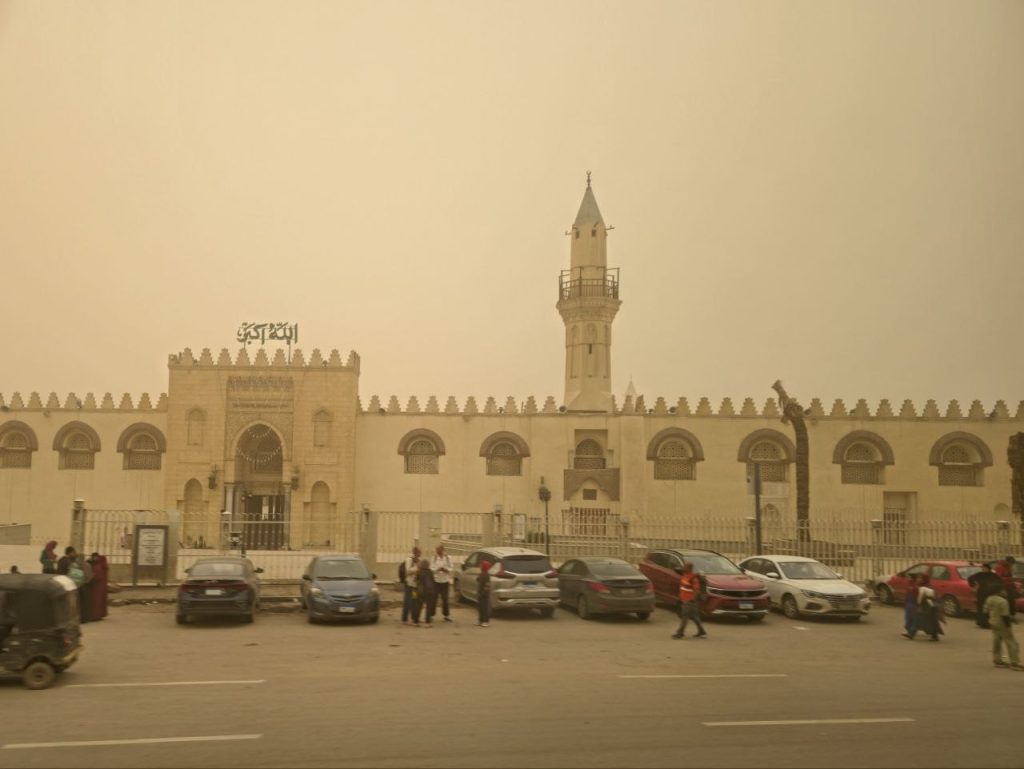
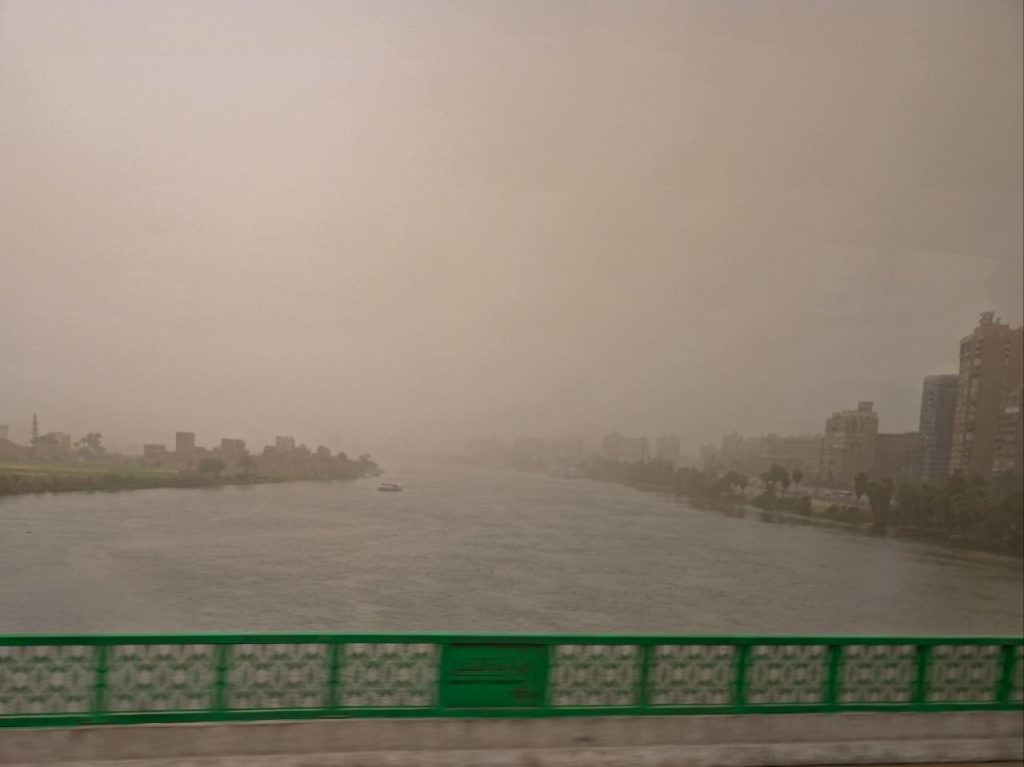
The air is filled with fine dust because of a recent storm.

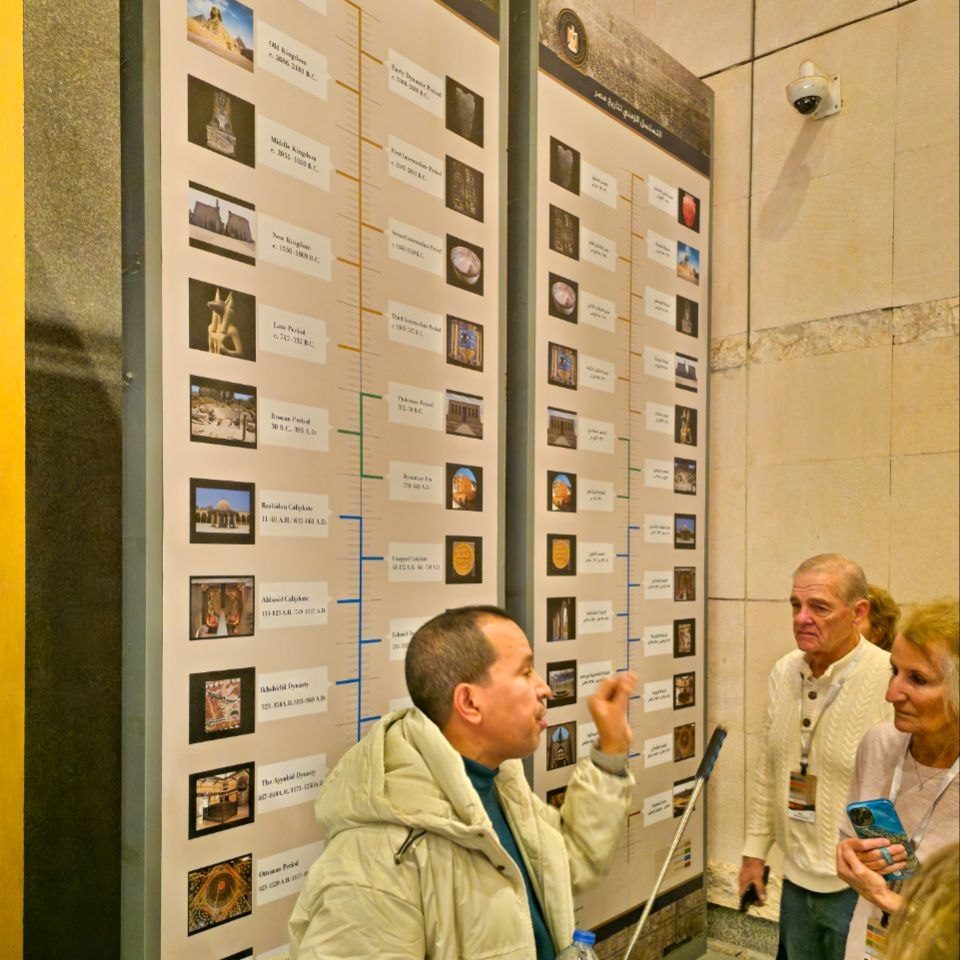
Our Egyptian guide gave us an overview of Egypt’s long history.

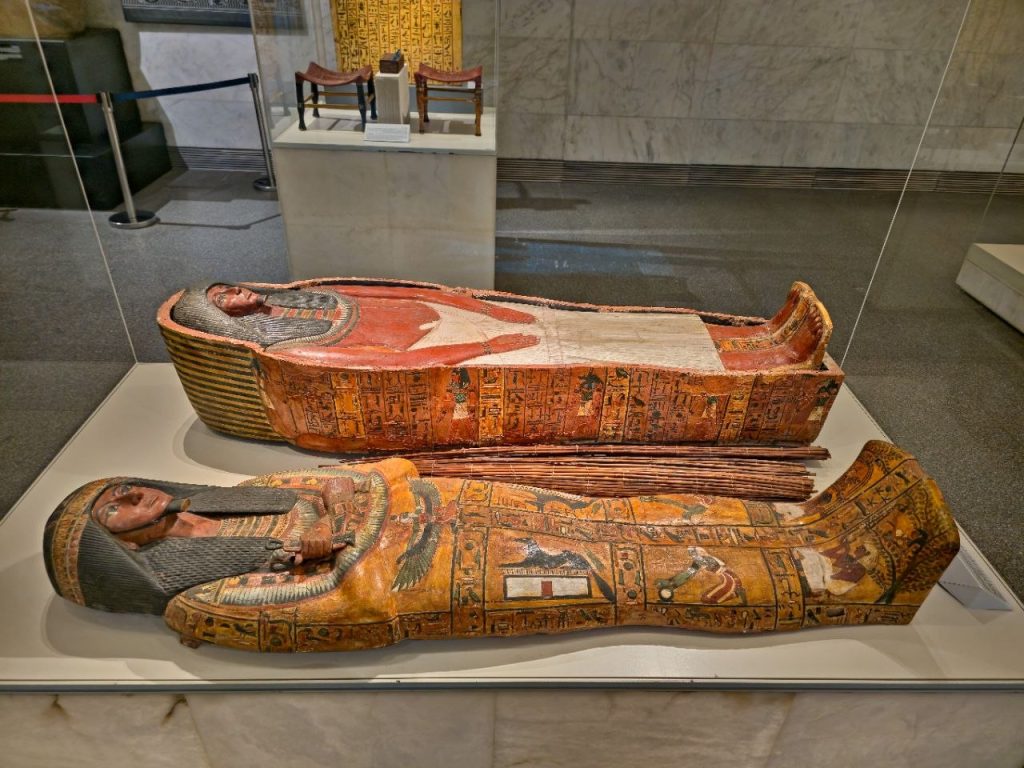
This is an example of a multi-layered carved wooden coffin. Sort of like Russian stacking dolls.

It felt like descending into a pyramid when we went downstairs to see the royal mummies. There were a dozen or more Pharaohs. Moses must have seen some of them when they were alive. We weren’t allowed to take pics.

I grabbed a pic of the Nile as we crossed. The dust storm really reduces visibility today. Apparently they don’t get many storms like that. There also was some flooding.

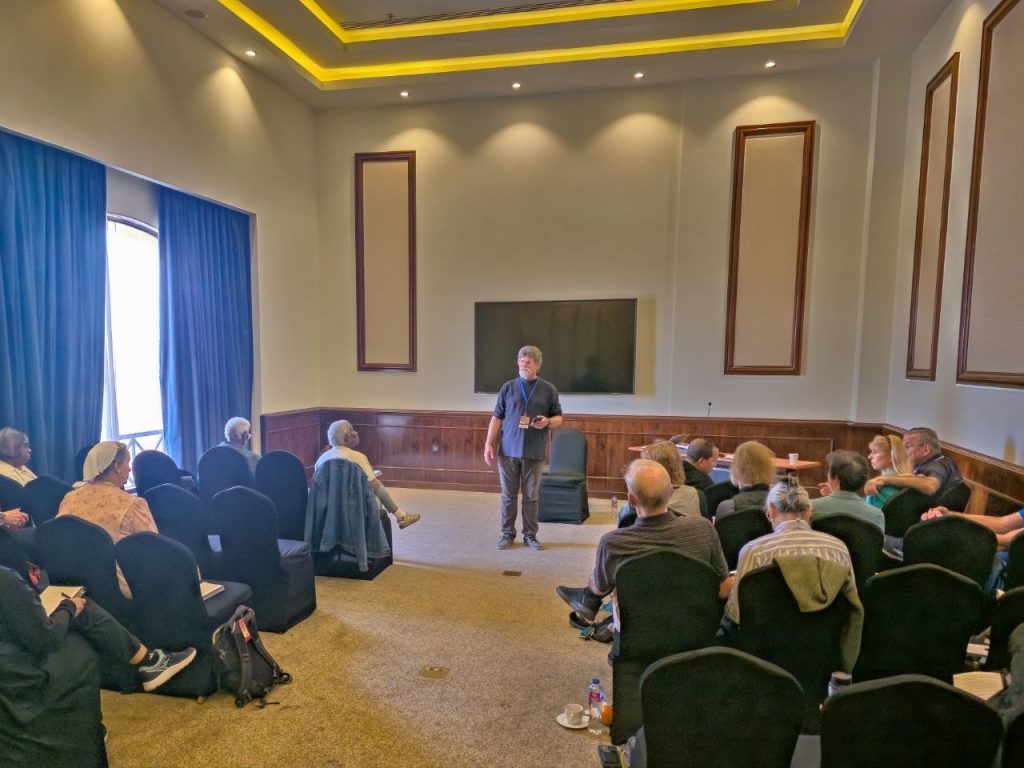
April 3–We started the day with background on Egypt and Moses. Egypt had the Nile for water, agriculture, and transportation. Egyptians were traditional, and the afterlife was highly important to them.

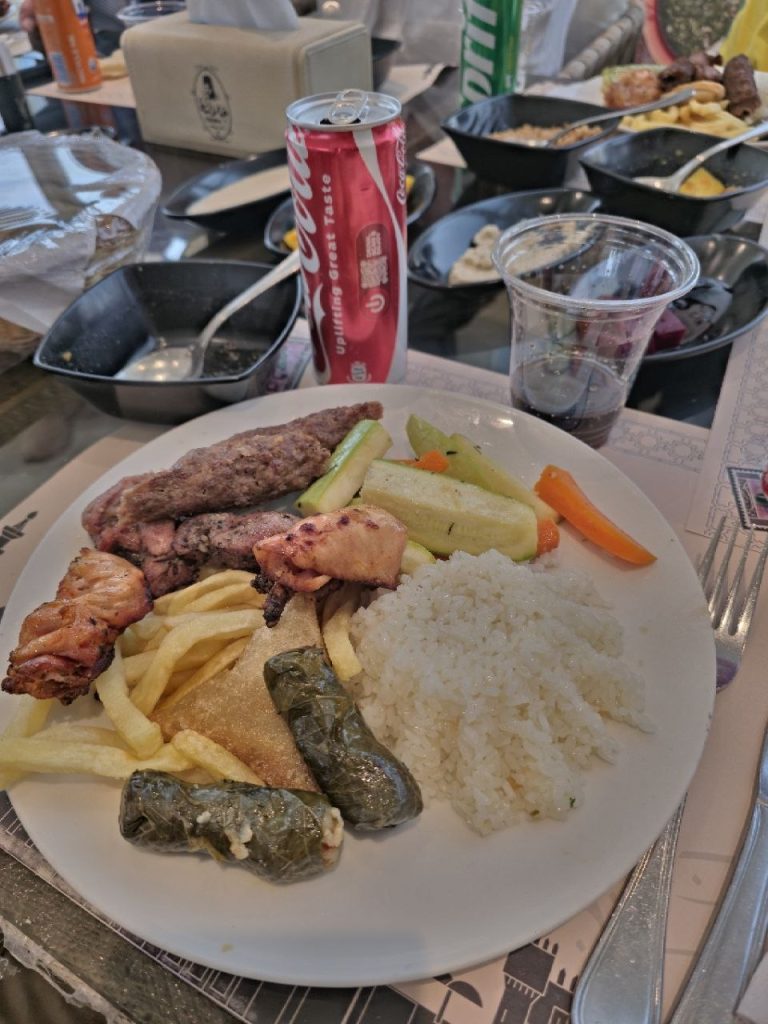
Lamb and chicken for lunch. Julia likes the stuffed grapes leaves, but I figure there’s enough good food without them.

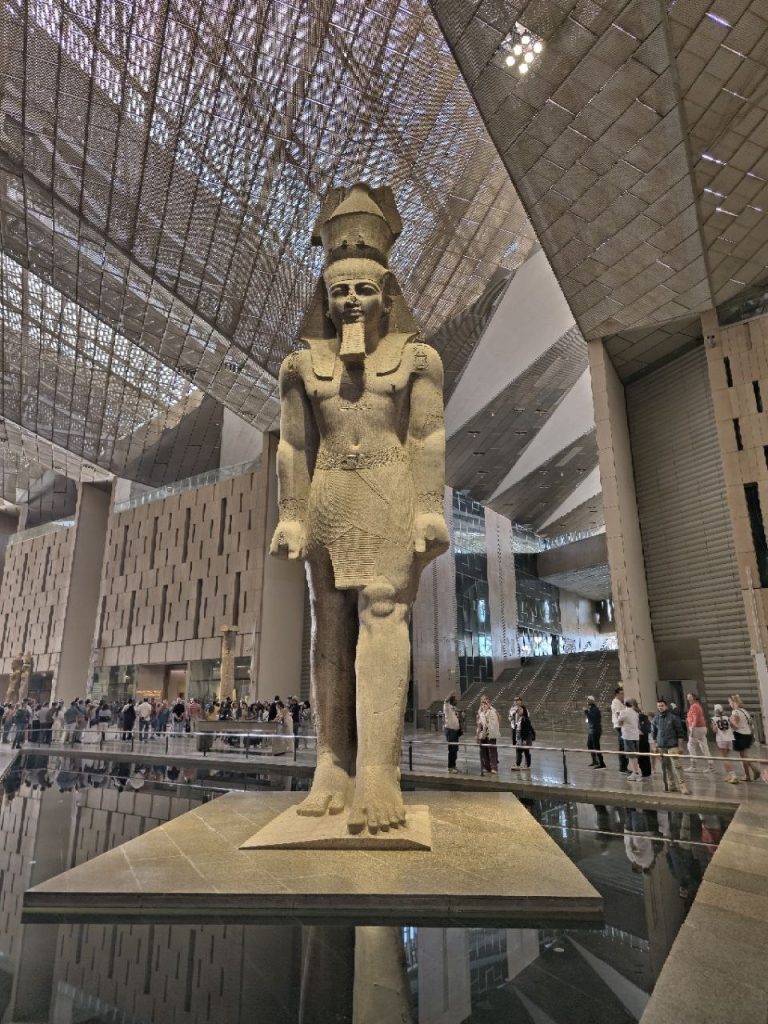
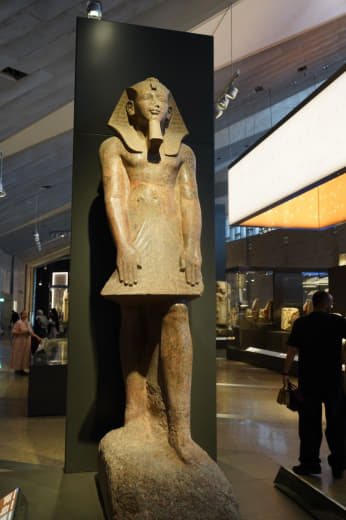
We’re in the new Grand Egyptian Museum. On the left, Ramses II statue, 83 tons, 3,200 years old. On the right, statue of Amenhotep II. Some evangelical scholars consider him the likely Pharaoh of the Exodus. It could fit with an early-date Exodus, which fits a literal reading of 1 Kings 6:1.

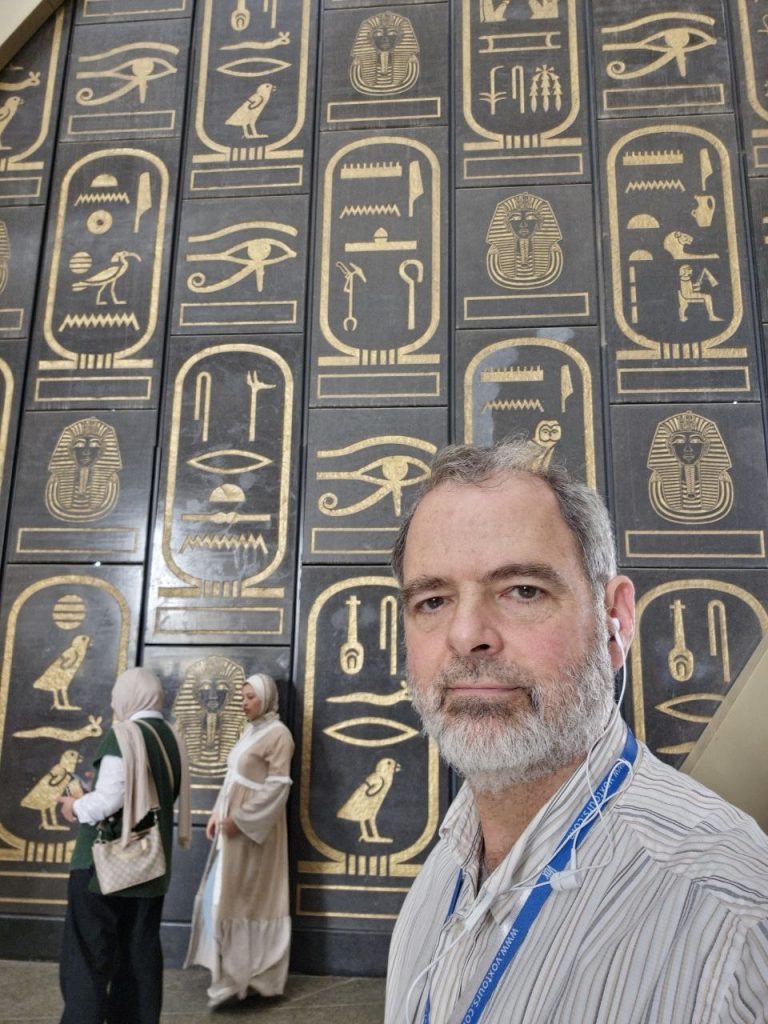
Wall of cartouches inside GEM, the largest museum in the world. In Egyptian hieroglyphs, a cartouche is an oval with a line at one end, indicating that the text enclosed is a royal name. Cartouches were worn by pharaohs. The oval surrounding their name was meant to protect them from evil spirits in life and after death.

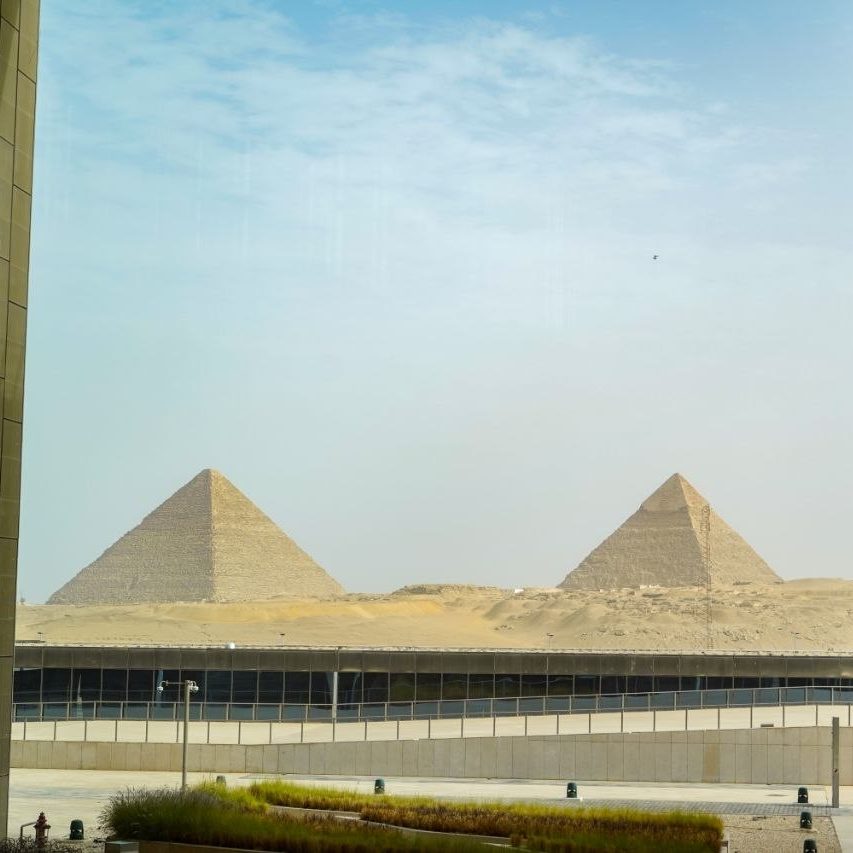
View of Giza pyramids from the museum

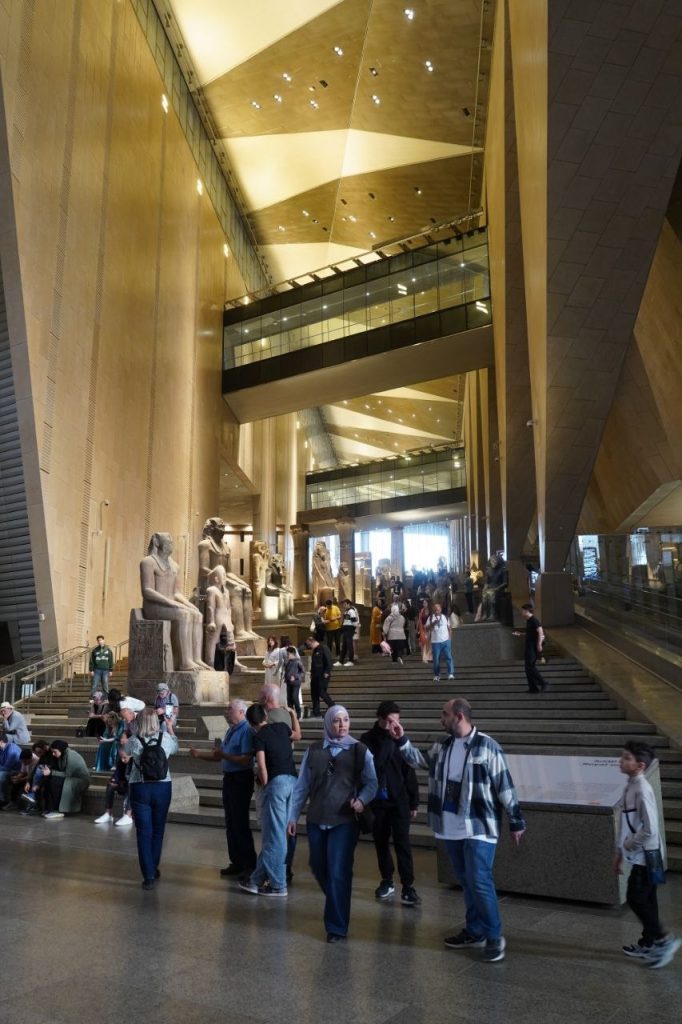
The grand staircase leads to the entrance of the GEM.

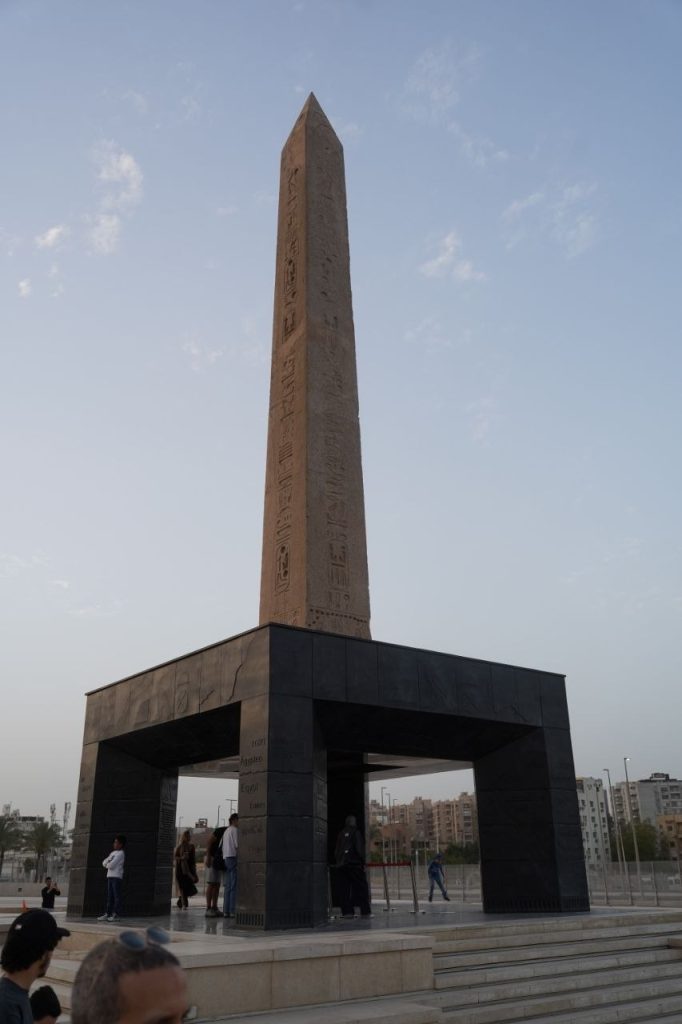
The only suspended obelisk in the world. The hanging obelisk of Pharaoh Ramses II.

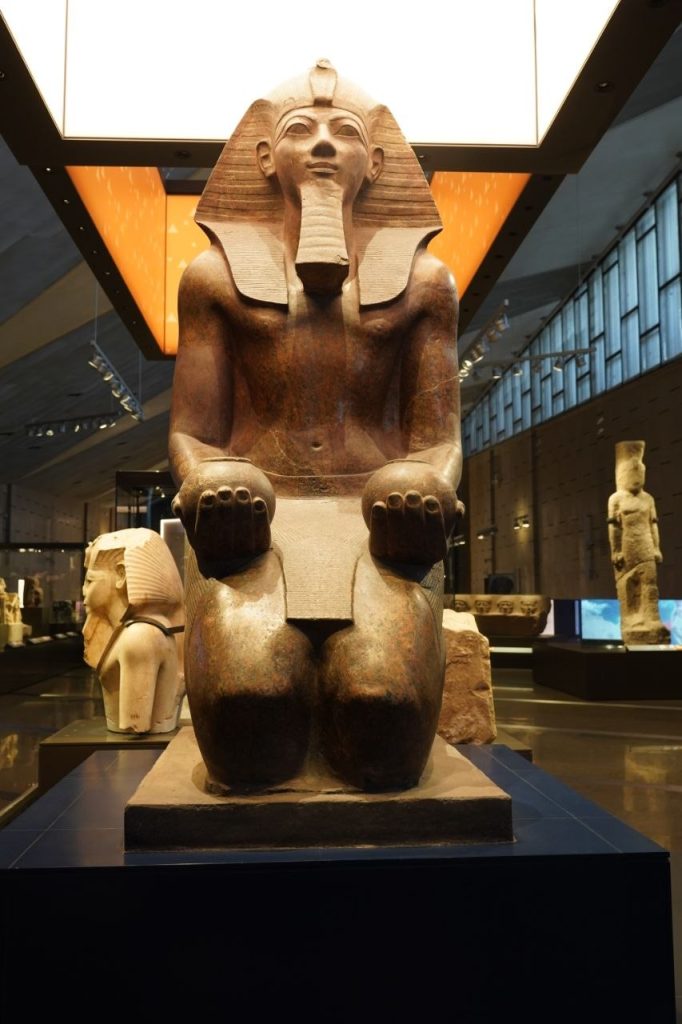
Hatshepsut, daughter of Thutmose I. Some early-date scholars suggest her as the one who rescued Moses from the Nile.

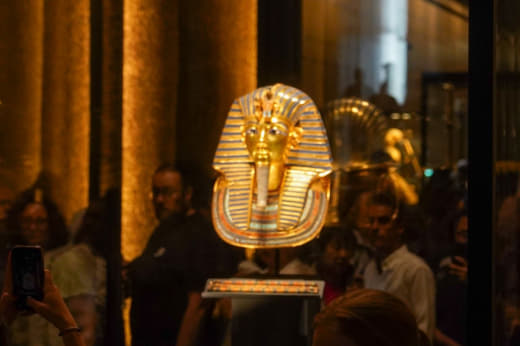
King Tut’s burial mask. Inside several layers of coffins. Remember the Russian stacking dolls.

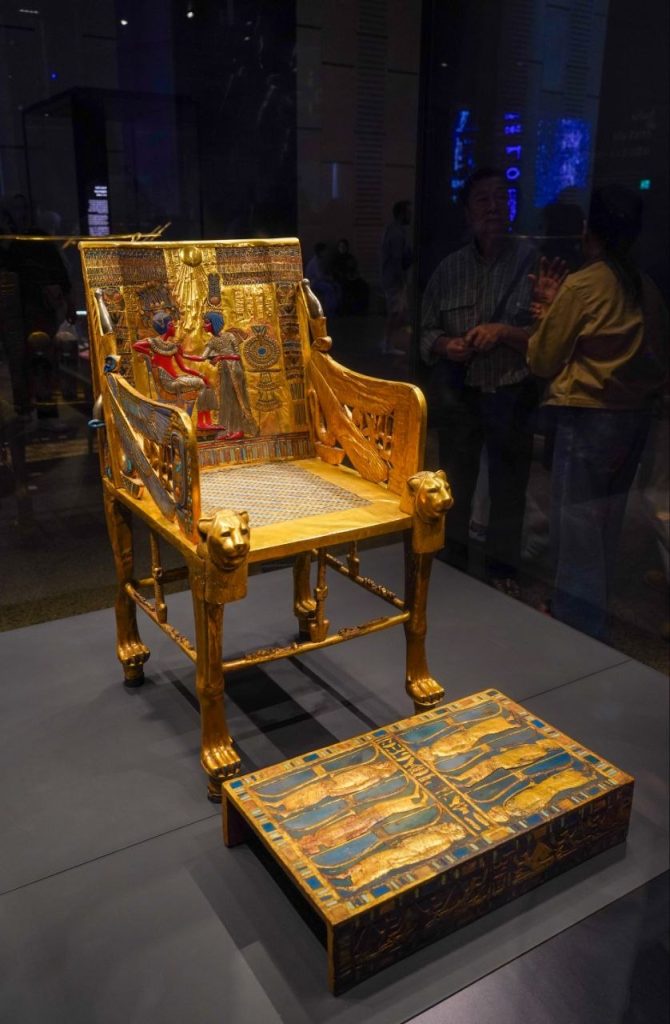
King Tut throne